The Second Session of the 3rd Mediation Conference Recommends Strengthening Judicial Integration, Advancing Education and Training, and Embedding a Culture of Dialogue in Palestine
From the Judiciary to Universities and Community Initiatives… Recommendations to Advance Mediation and Strengthen Its Role in Dispute Resolution and Safeguarding Social Cohesion
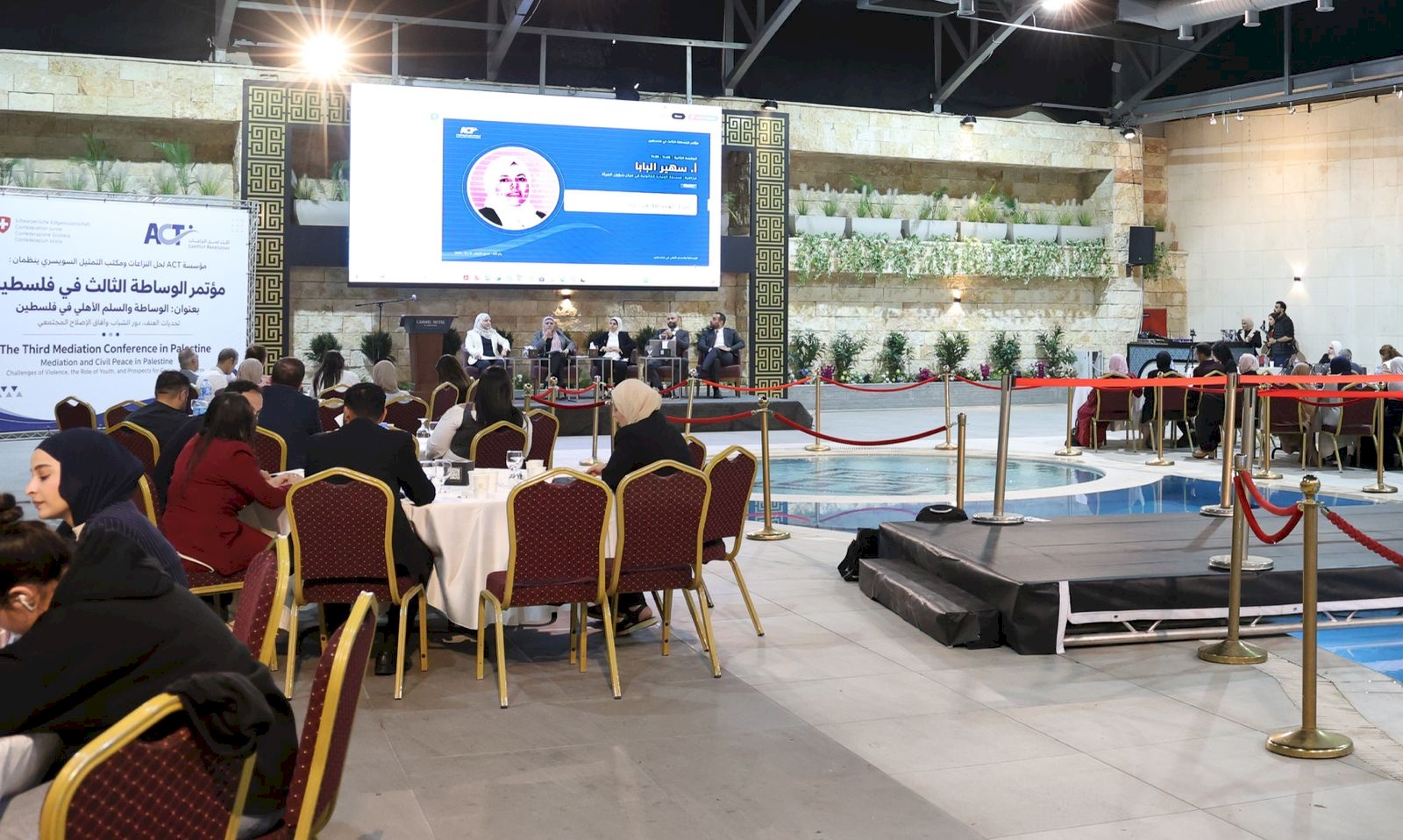
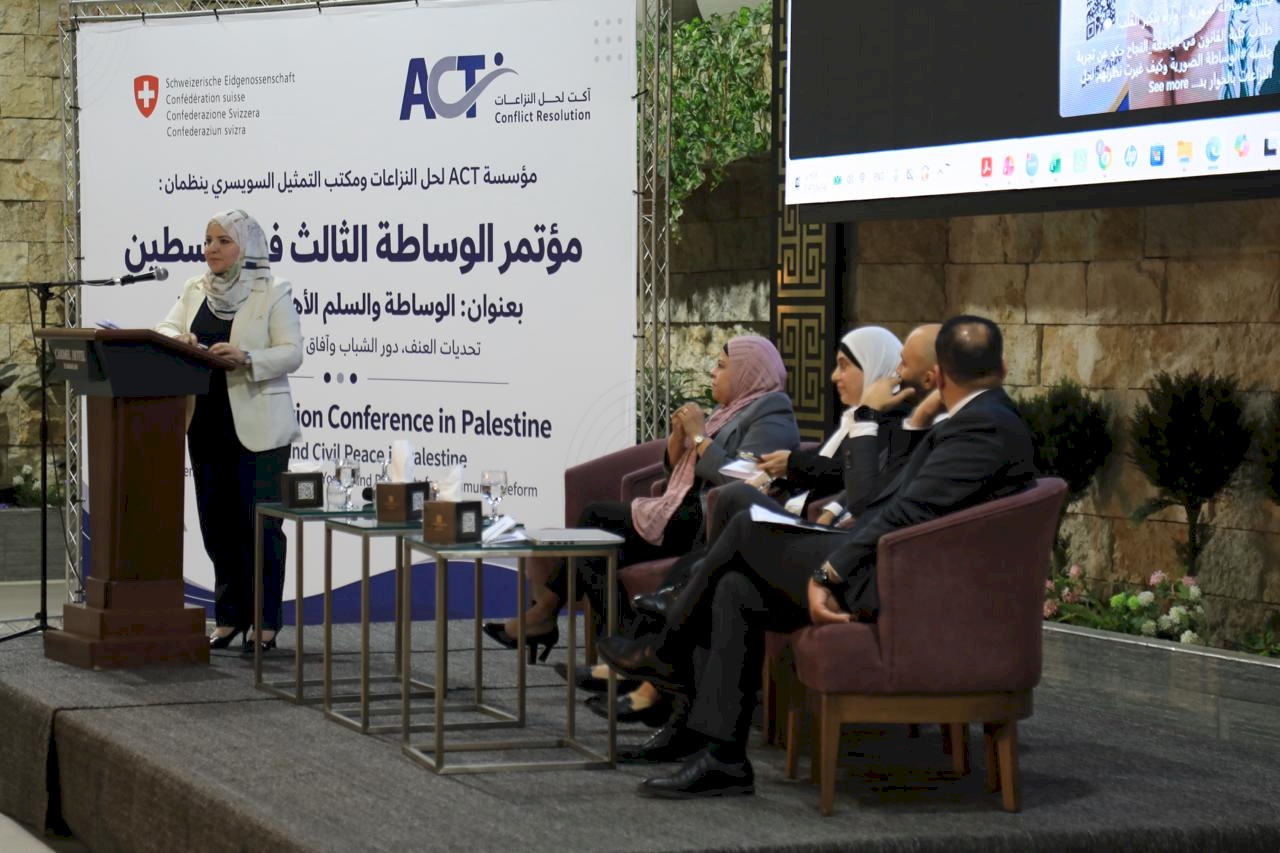
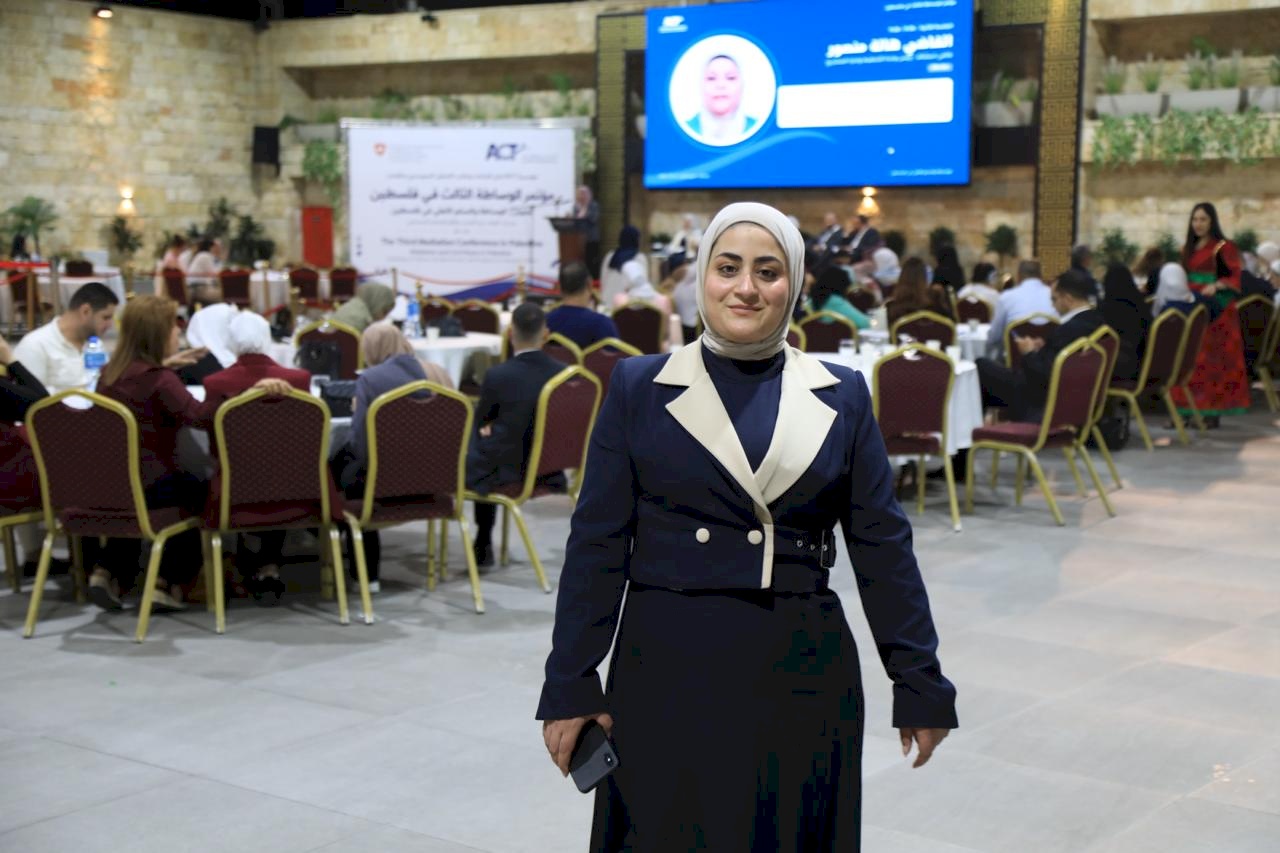
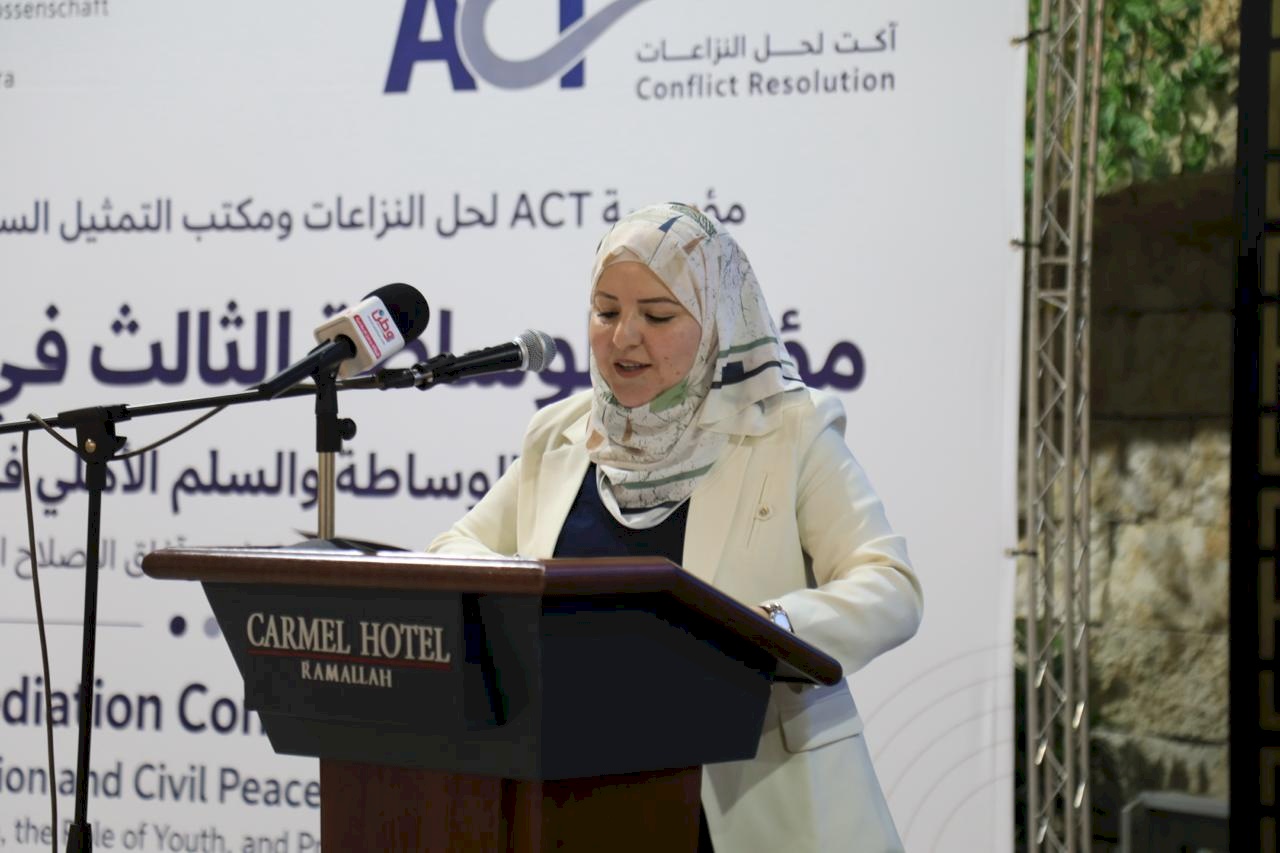
The second session of the 3rd Mediation Conference in Palestine shed light on the reality of mediation, its diverse applications, and the challenges facing its development. Featuring representatives from judicial, academic, human rights, and civil society institutions, the discussion focused on ways to promote mediation as an alternative dispute resolution (ADR) mechanism and expand its presence across various Palestinian contexts.
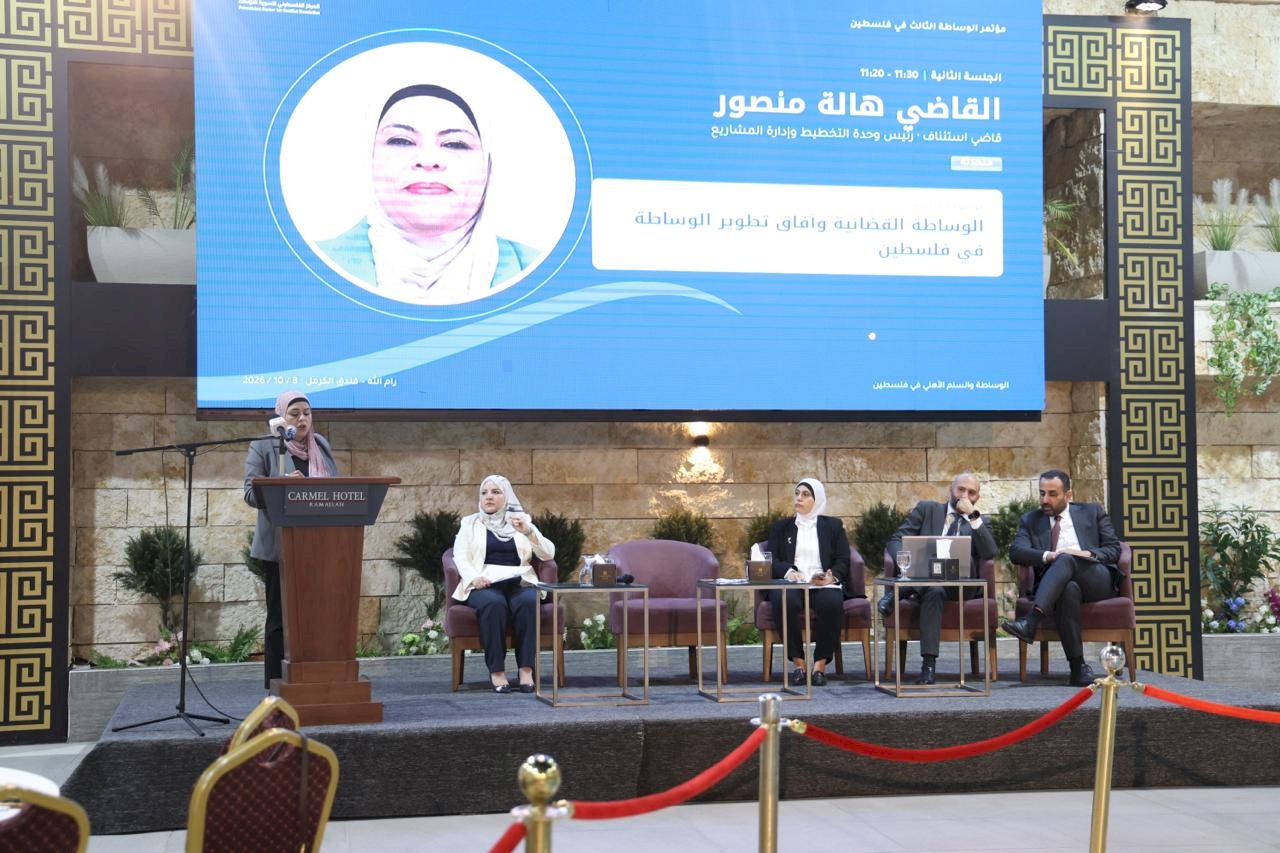
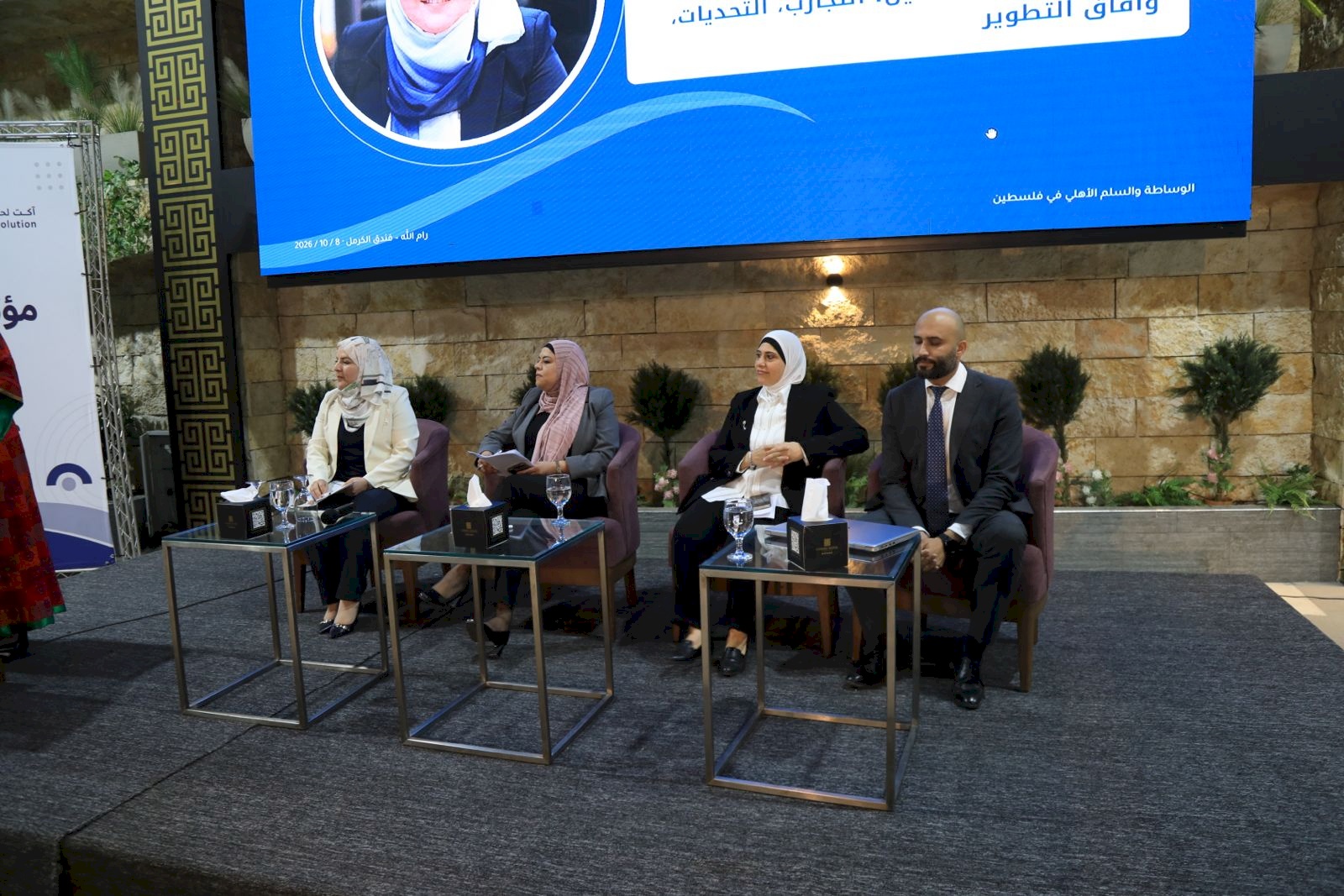
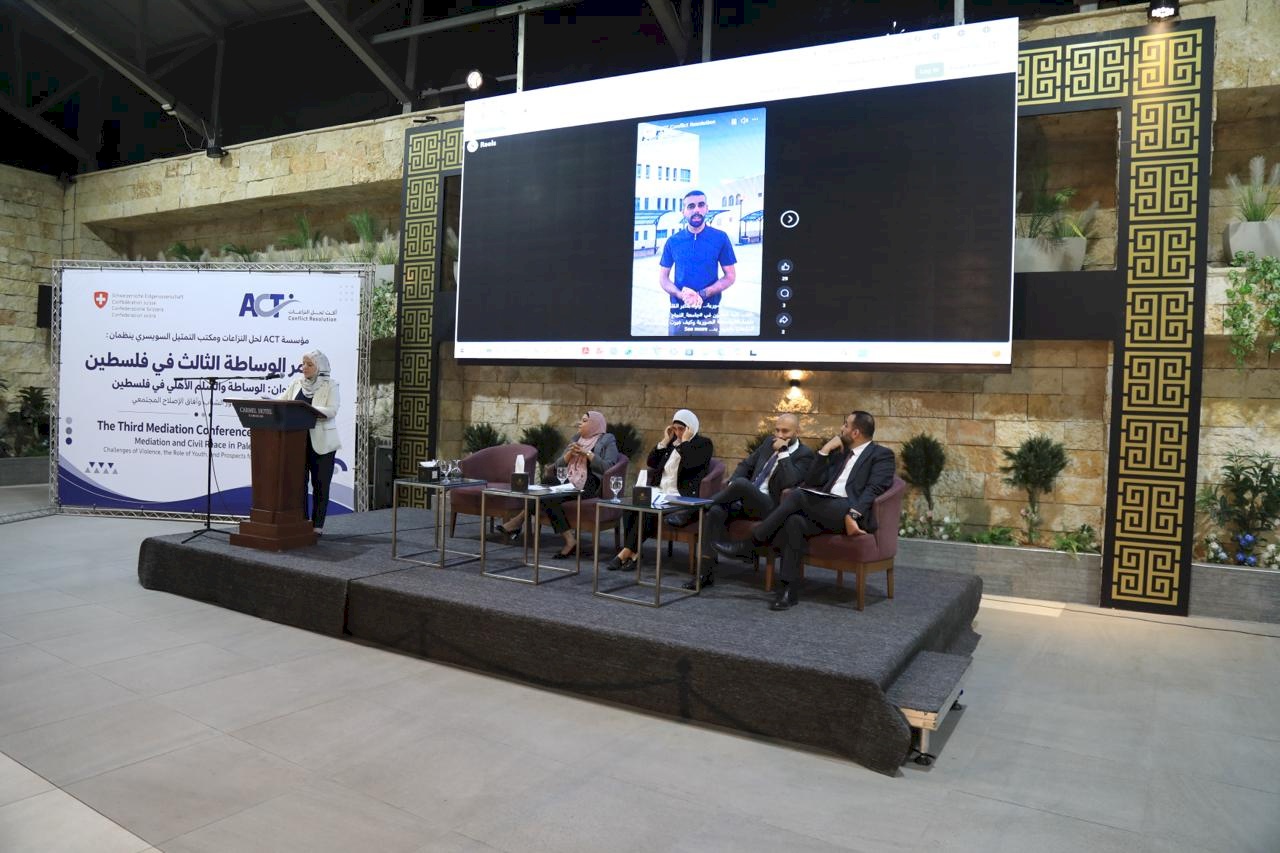
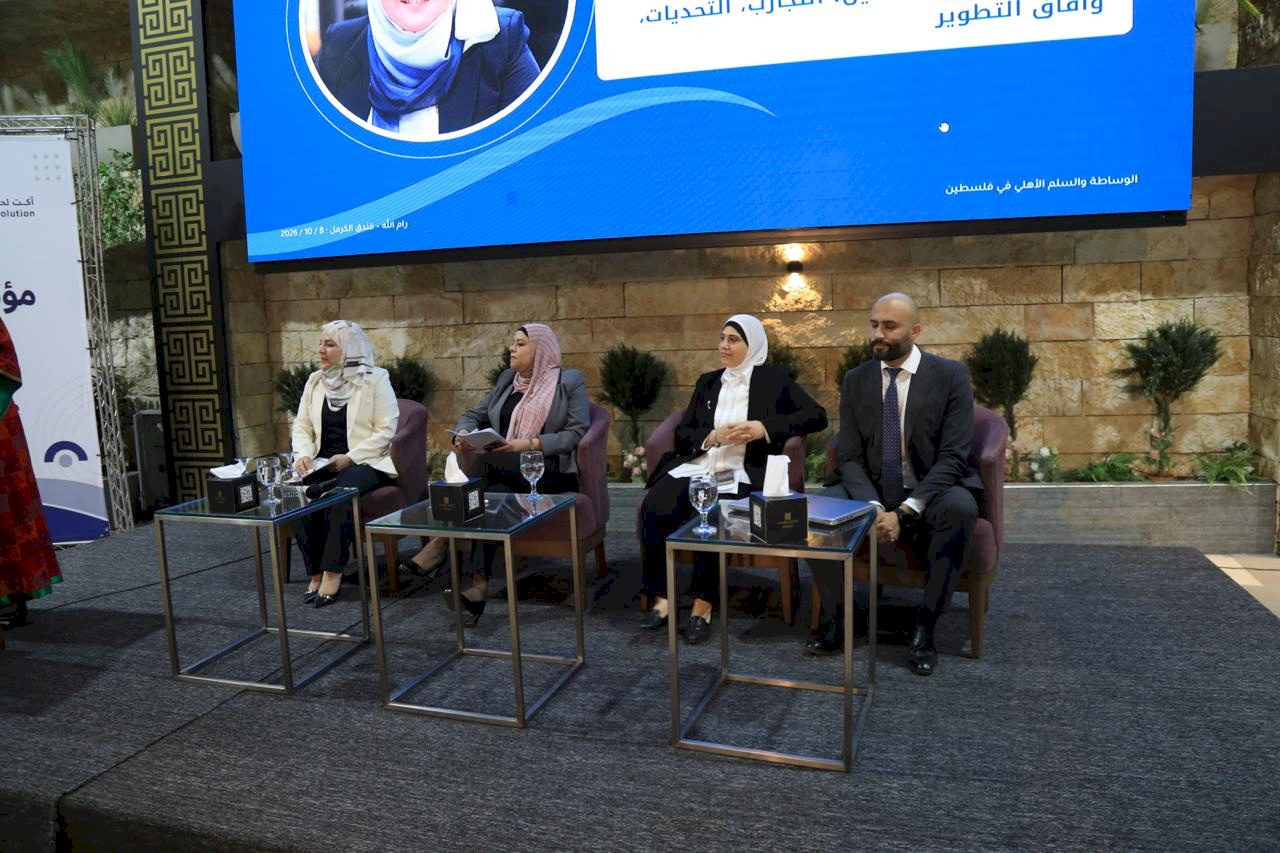
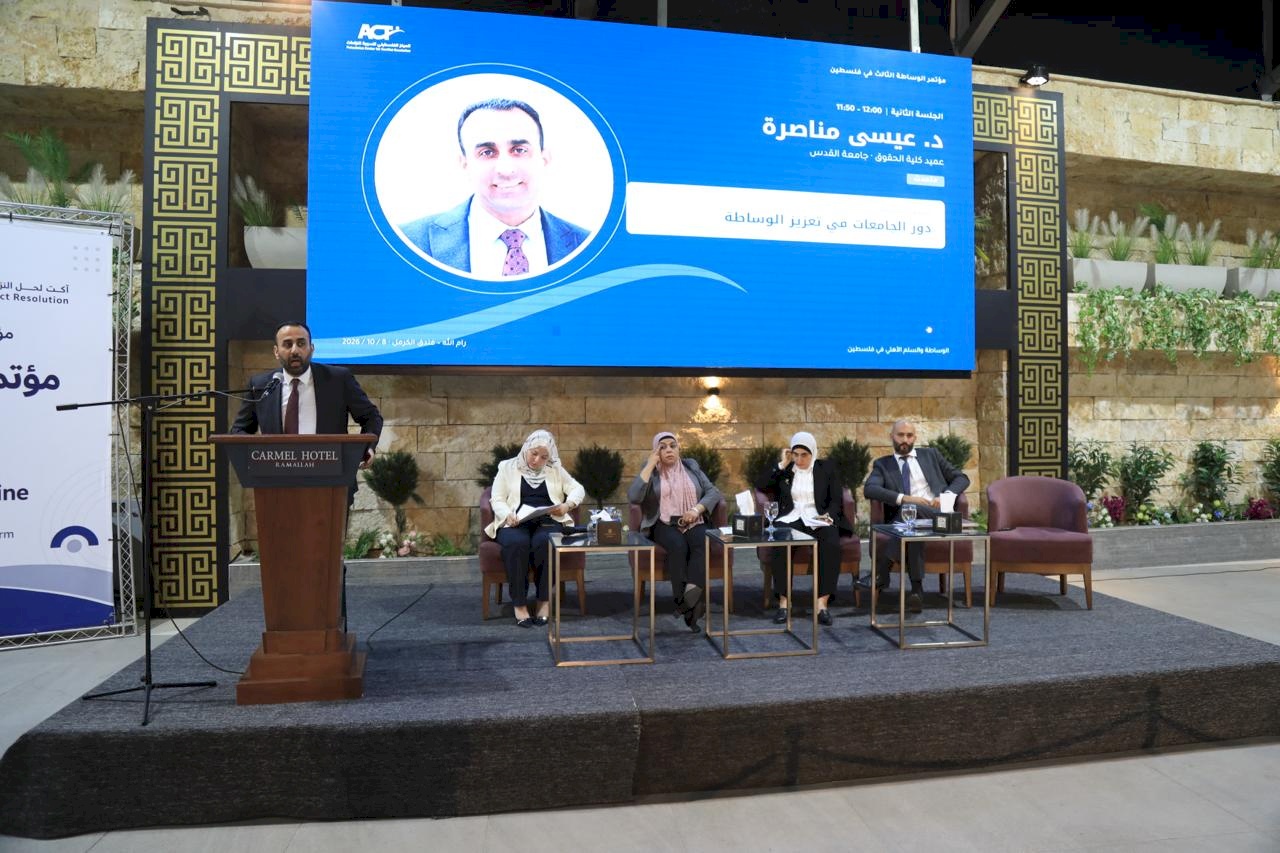
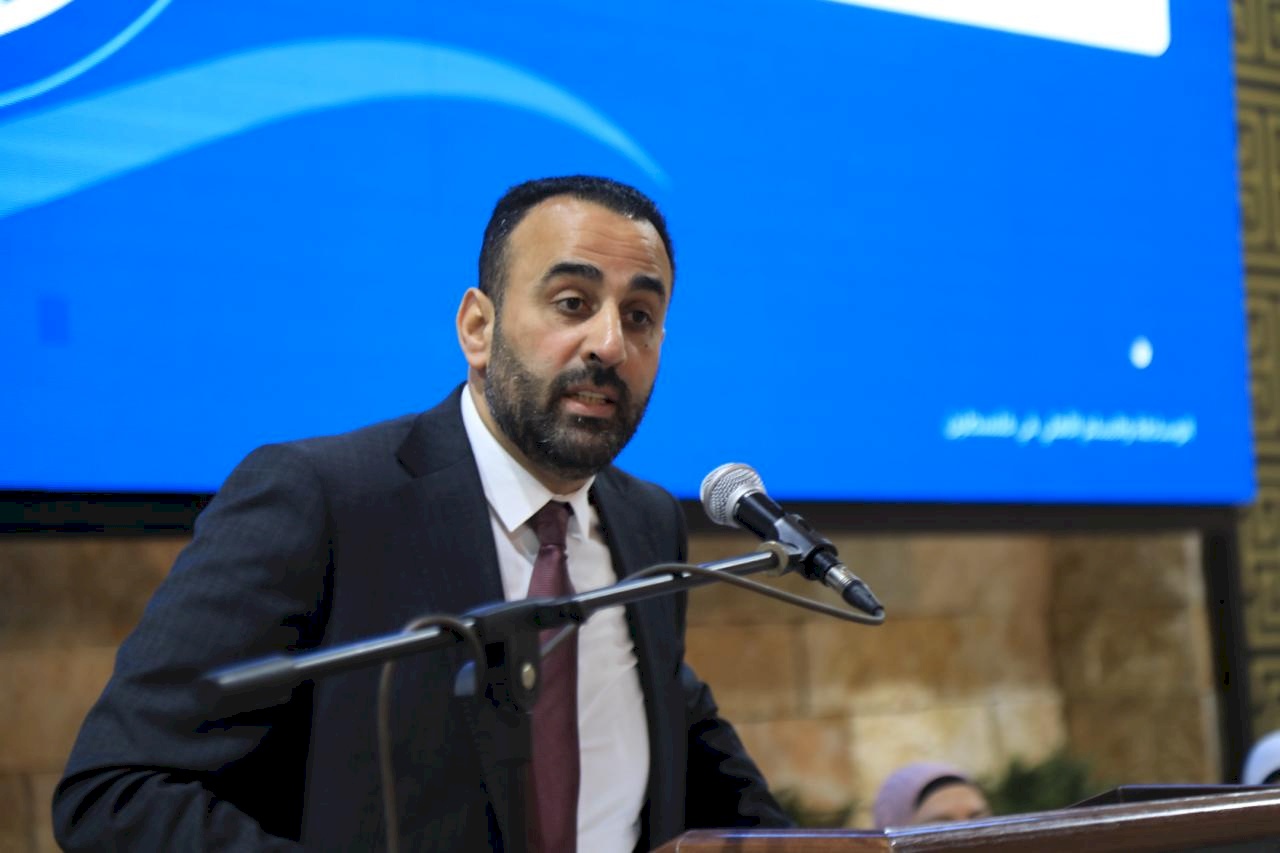
Titled “Mediation in Palestine: Experiences, Challenges, and Development Horizons,” the session was moderated by Dr. Noor Addas, Dean of the Faculty of Law and Political Science at An-Najah National University. Panelists included:
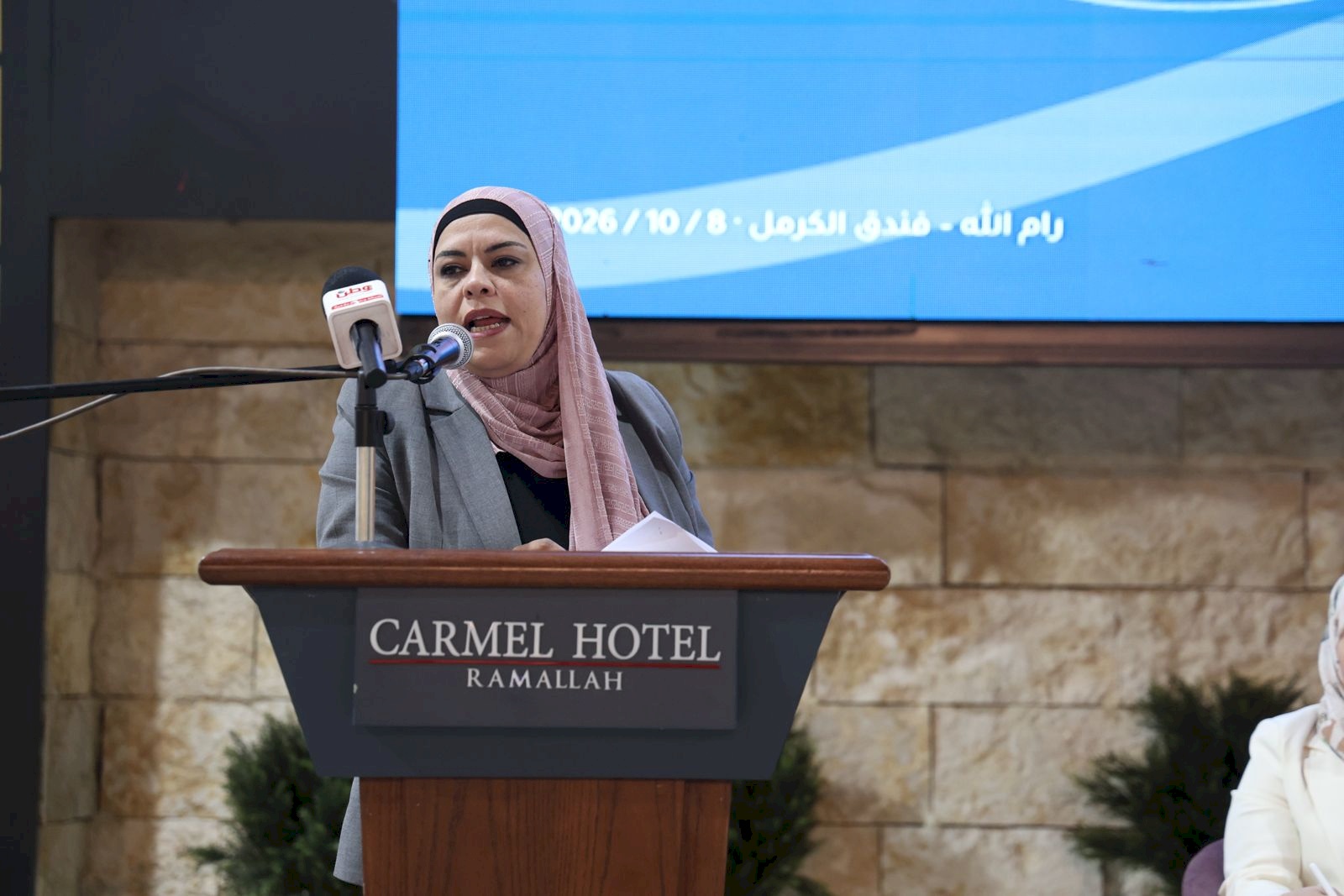
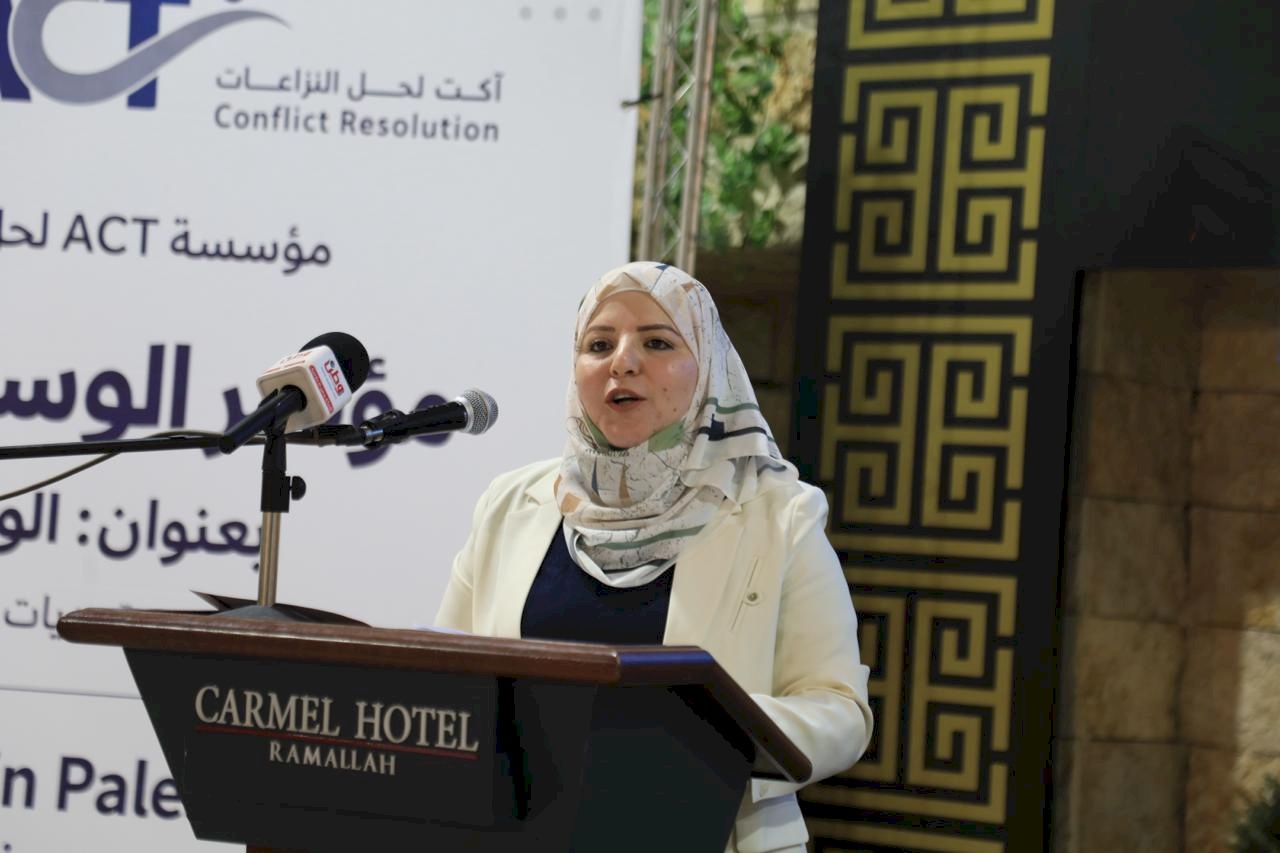
Judge Hala Mansour, Appellate Judge and Head of the Planning and Project Management Unit at the High Judicial Council;
Ms. Suheir Al-Baba, Legal Clinic Coordinator at the Women's Affairs Center in Gaza (joining via video conference);
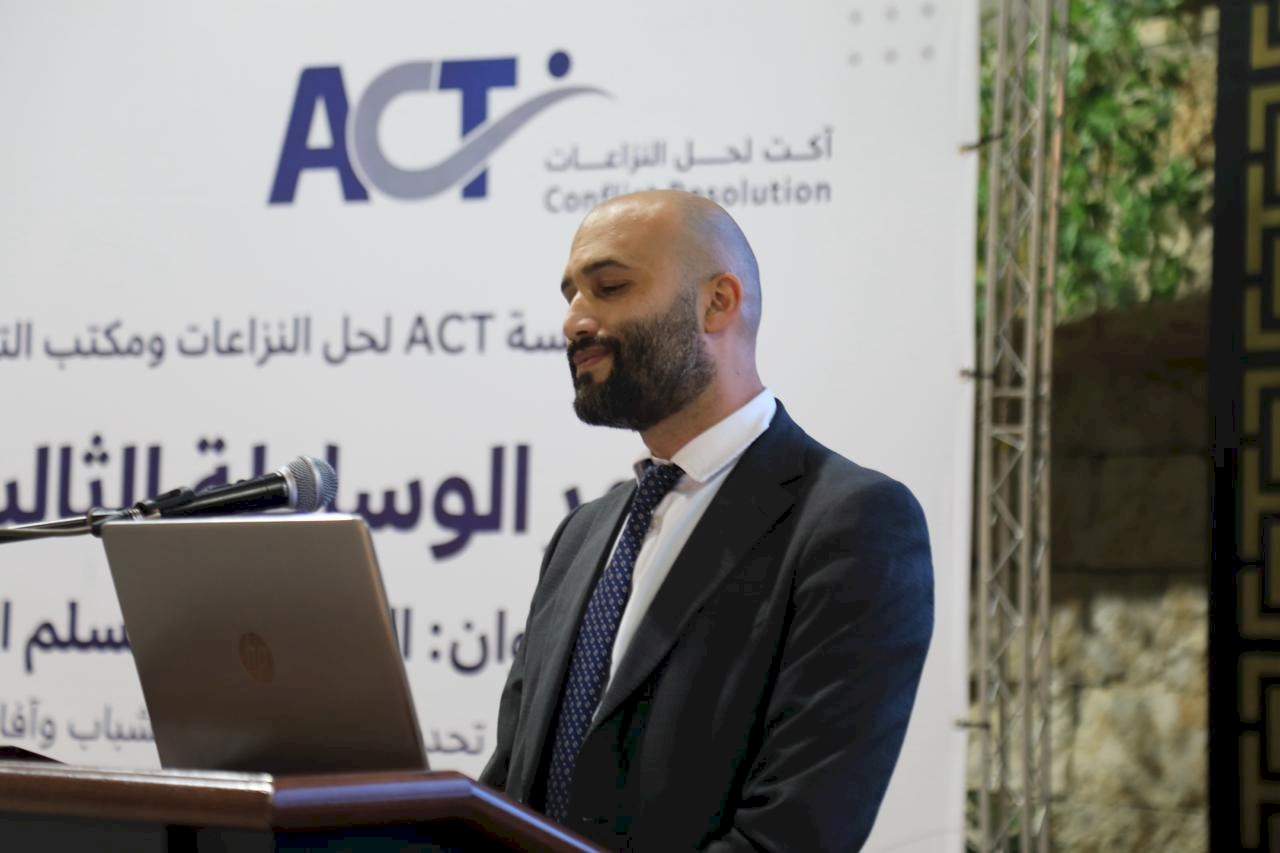
Dr. Mahmoud Abu Swai, Chairman of the Board of Directors at ACT for Conflict Resolution and Head of Litigation at Andersen – Palestine;
Dr. Issa Manasra, Dean of the Faculty of Law at Al-Quds University;
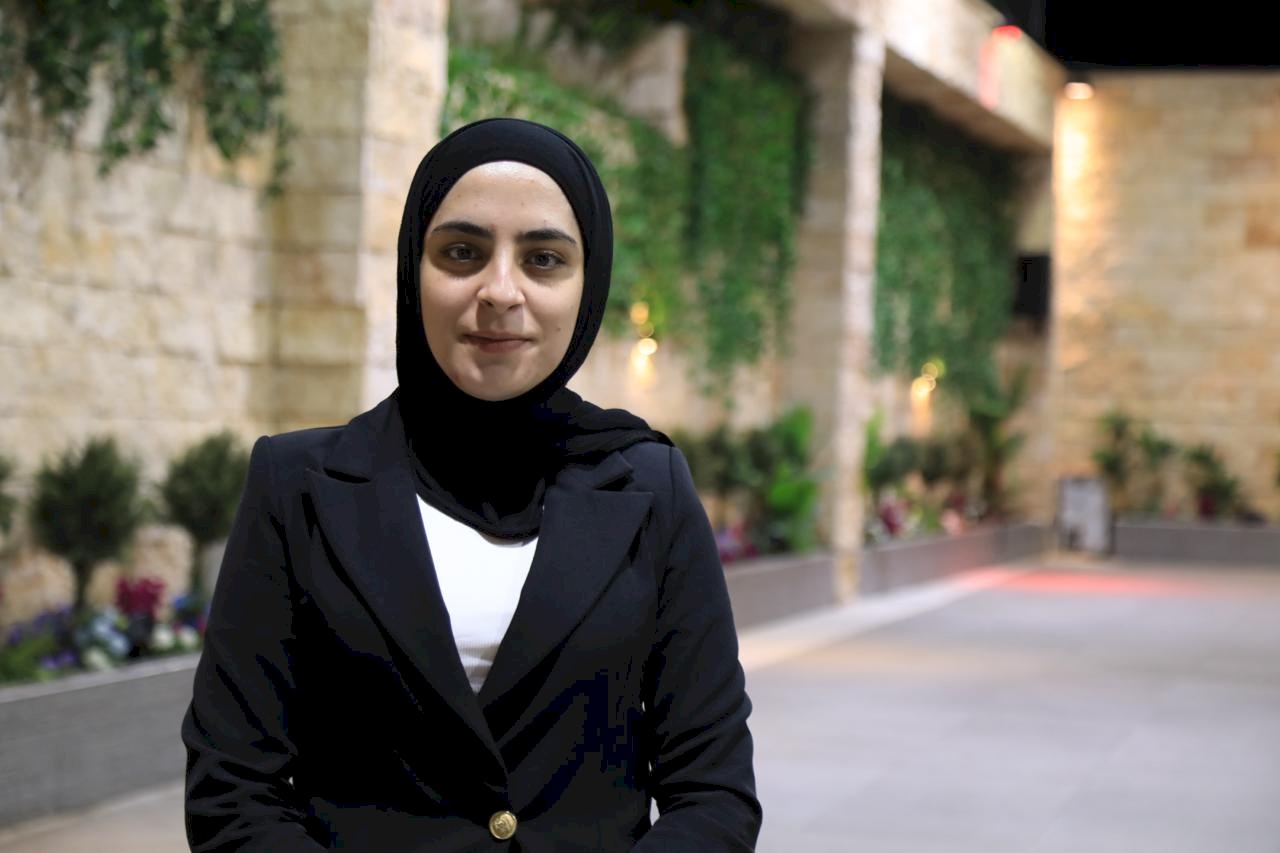
Ms. Safa Balaawi, Director of the Legal Clinic at An-Najah National University.
The interventions covered judicial mediation practices in Palestine, mediation experiences in the Gaza Strip and Jerusalem, and the strategic role of universities and legal clinics in embedding a mediation culture and qualifying a new generation of mediators, alongside addressing the legal, institutional, and societal challenges in the field.
Key Recommendations for Strengthening the Mediation System in Palestine
The discussions produced a comprehensive set of recommendations aimed at advancing the mediation framework and enhancing its institutional and community efficacy:
Judicial Integration & Trust Building: Strengthen synergy between mediation and the judiciary, activate judges' roles in referring appropriate disputes to mediation, and build public and institutional trust in mediation as a dialogue-based pathway that respects rights and the rule of law.
Emergency & Local Adaptation: Activate mediation during extraordinary circumstances and crises—particularly during wars and the disruption of traditional dispute resolution channels—drawing upon community experiences in the Gaza Strip while developing models that accommodate the unique legal, social, and political dynamics of Palestinian regions, especially Jerusalem.
Synergy with Tribal Reconciliation: Promote integration between mediation and traditional tribal reconciliation (Sulh), leveraging local expertise to manage and settle disputes according to professional standards that uphold human rights and freedoms.
Capacity Building & Academic Integration: Adopt specialized, sustainable training programs to qualify mediators. Encourage universities to incorporate ADR and mediation into academic curricula, exploring mandatory specialized courses.
Practical Training & Quality Assurance: Enhance practical training through legal clinics and university incubators using simulations, moot sessions, and hands-on exercises linked to monitoring, evaluation, and impact measurement frameworks.
Research & Partnerships: Foster scientific research and knowledge exchange across universities, government bodies, human rights organizations, and civil society, while developing practical guidelines and professional standards to ensure high-quality mediation practices.
Cultivating Dialogue Culture: Embed a culture of dialogue, mutual respect, and tolerance while rejecting hate and fanaticism, thereby promoting peaceful dispute resolution to strengthen community cohesion and protect civil peace.
Toward Sustainable Development of Mediation Practices
The session outcomes underscored that advancing mediation in Palestine is a shared responsibility requiring coordinated efforts among judicial, governmental, academic, legal, and civil society institutions, alongside mediators and community reconciliation practitioners. Furthermore, enhancing mediation's effectiveness goes beyond merely providing mechanisms; it depends on building trust, qualifying practitioners, structuring professional frameworks, and embedding a societal culture rooted in dialogue, understanding, and respect for rights and freedoms.
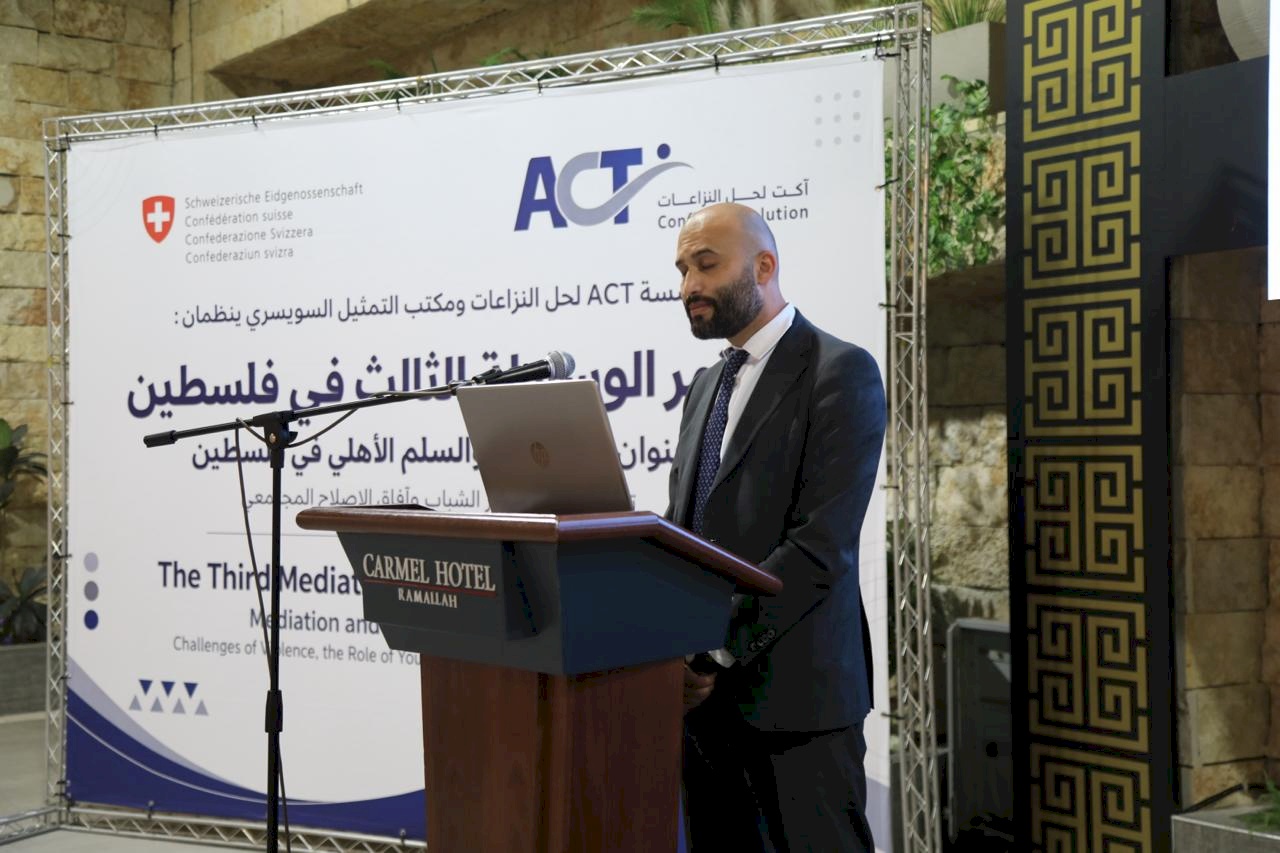
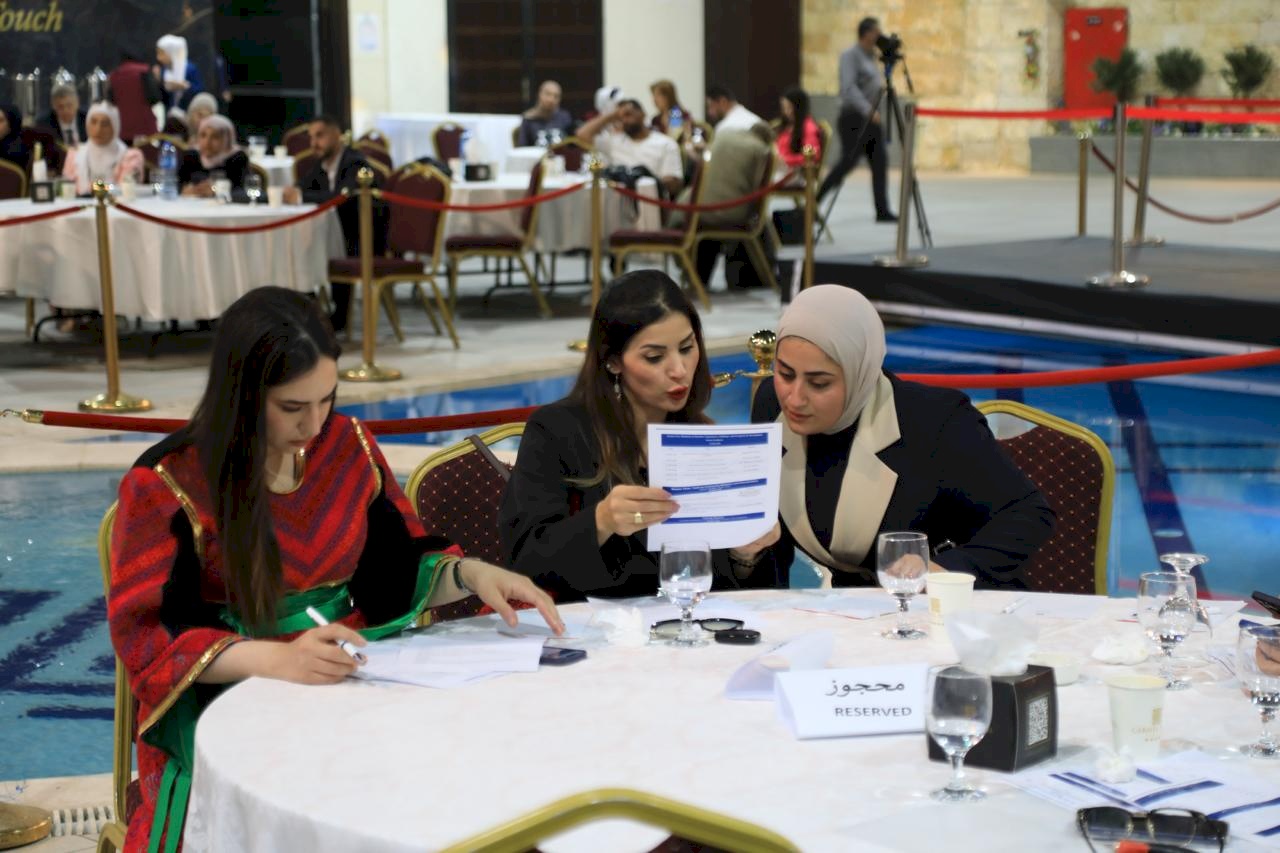
This session forms an integral part of the 3rd Mediation Conference in Palestine, organized by ACT for Conflict Resolution as part of its ongoing commitment to fostering dialogue, exchanging expertise, and broadening the national discourse on advancing mediation practices to safeguard social cohesion in Palestine.