Violence, Crime, and Mental Health at the Core of Discussions on Safeguarding Social Cohesion in Palestine
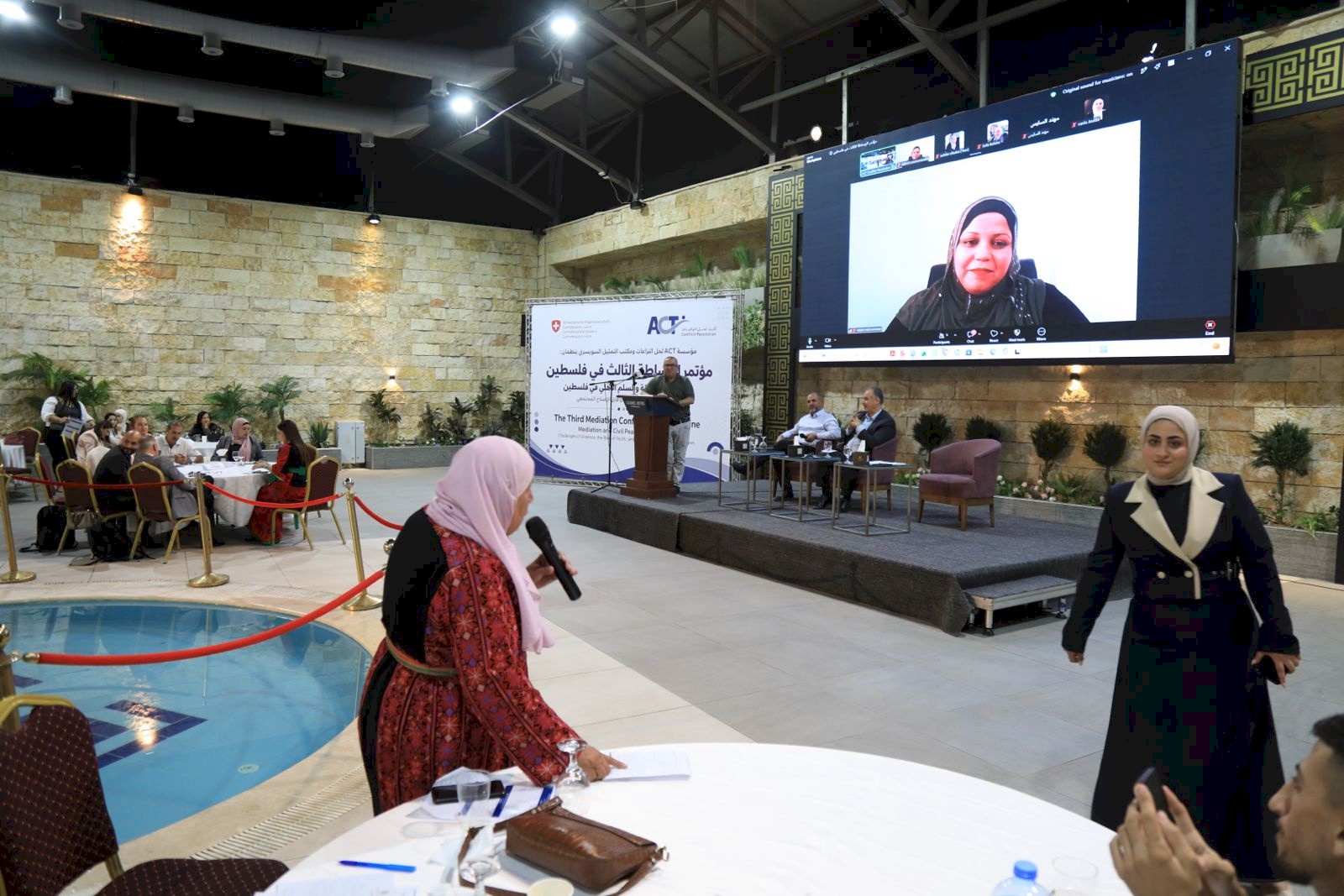
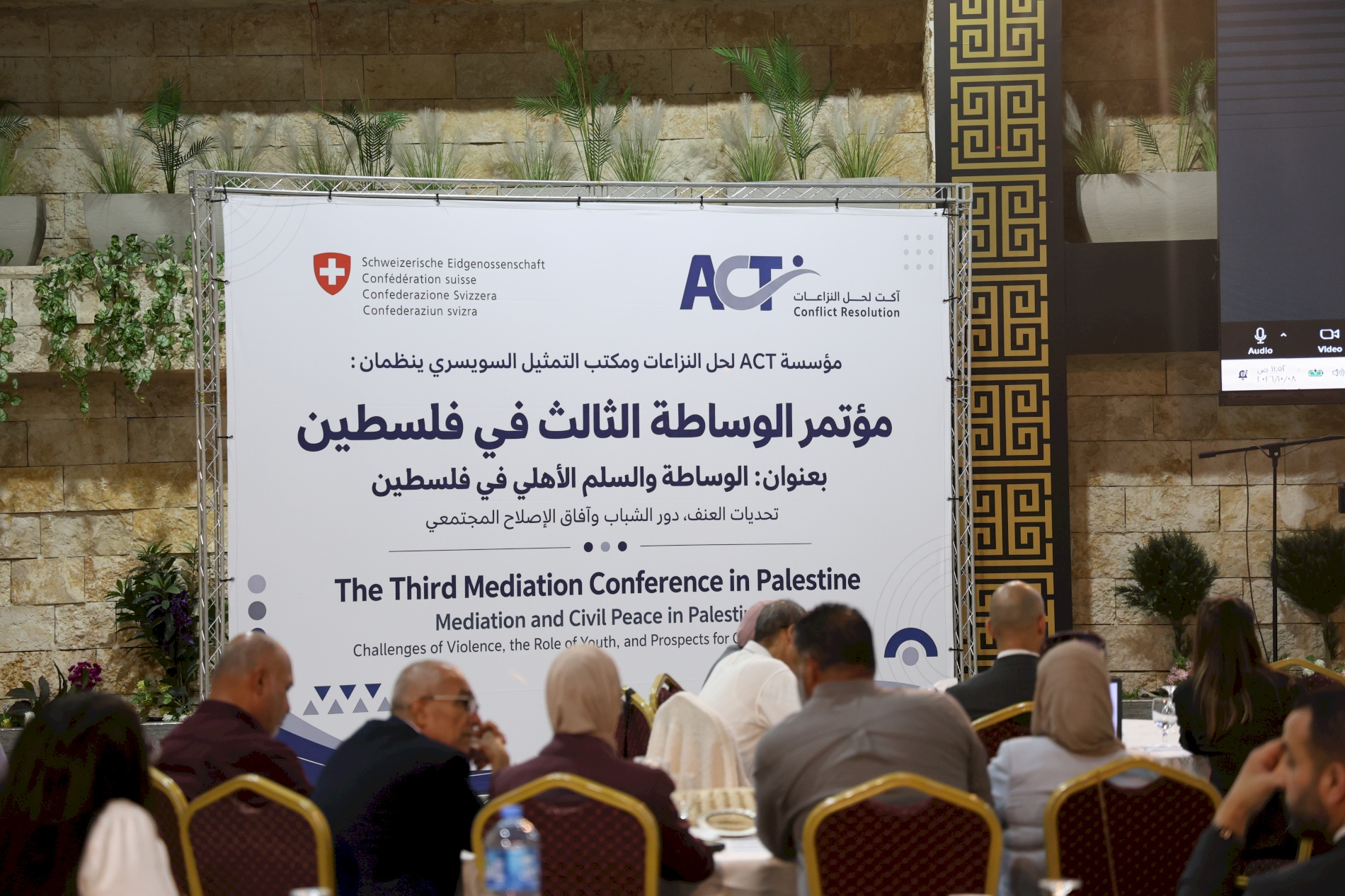
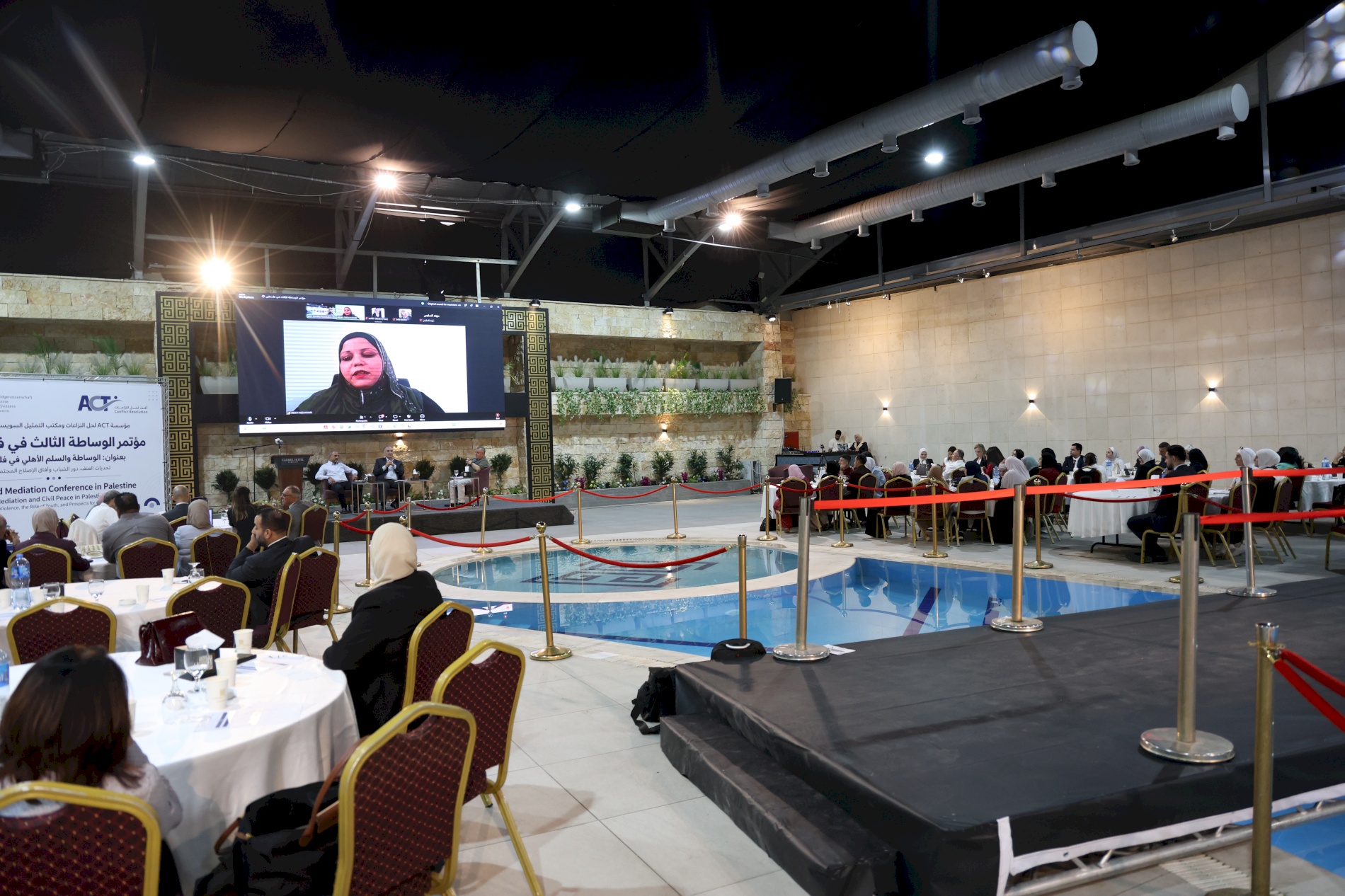
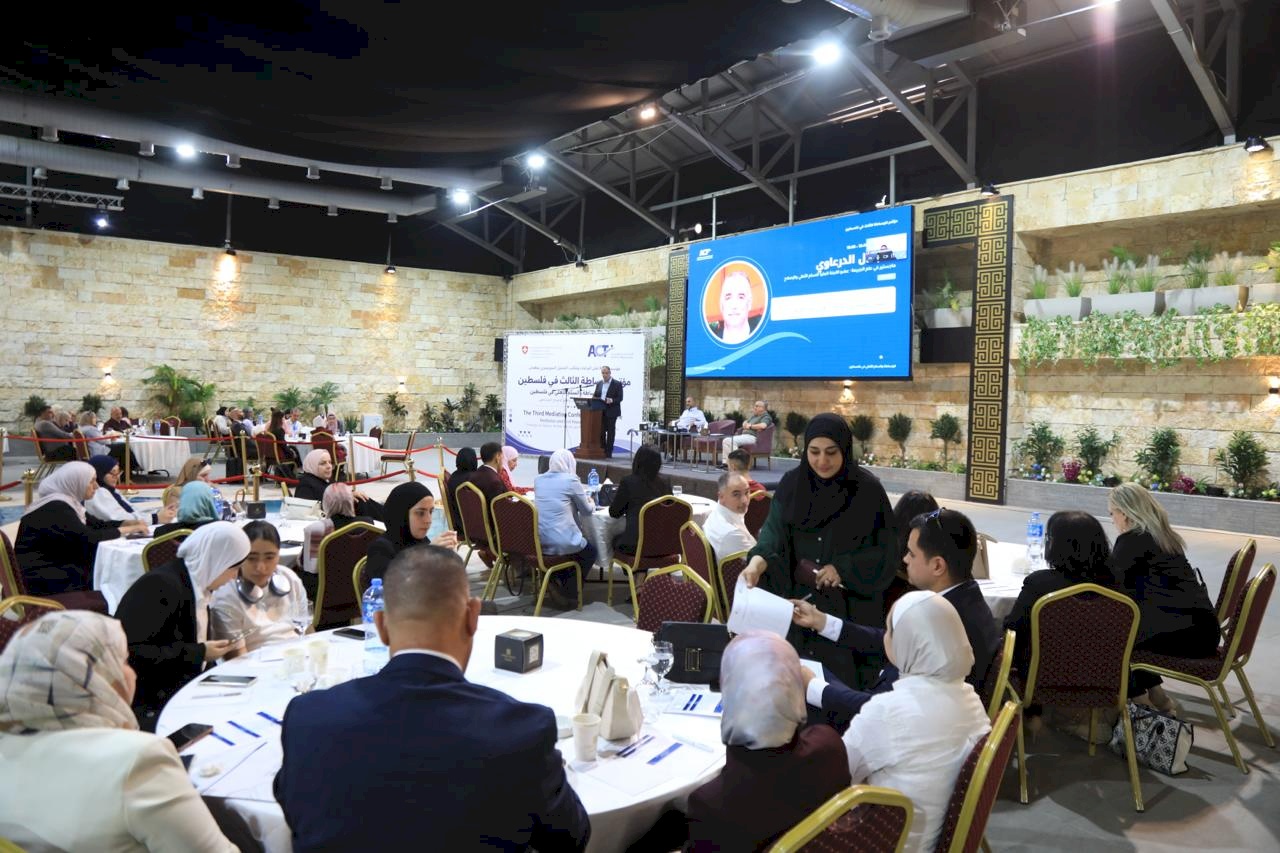
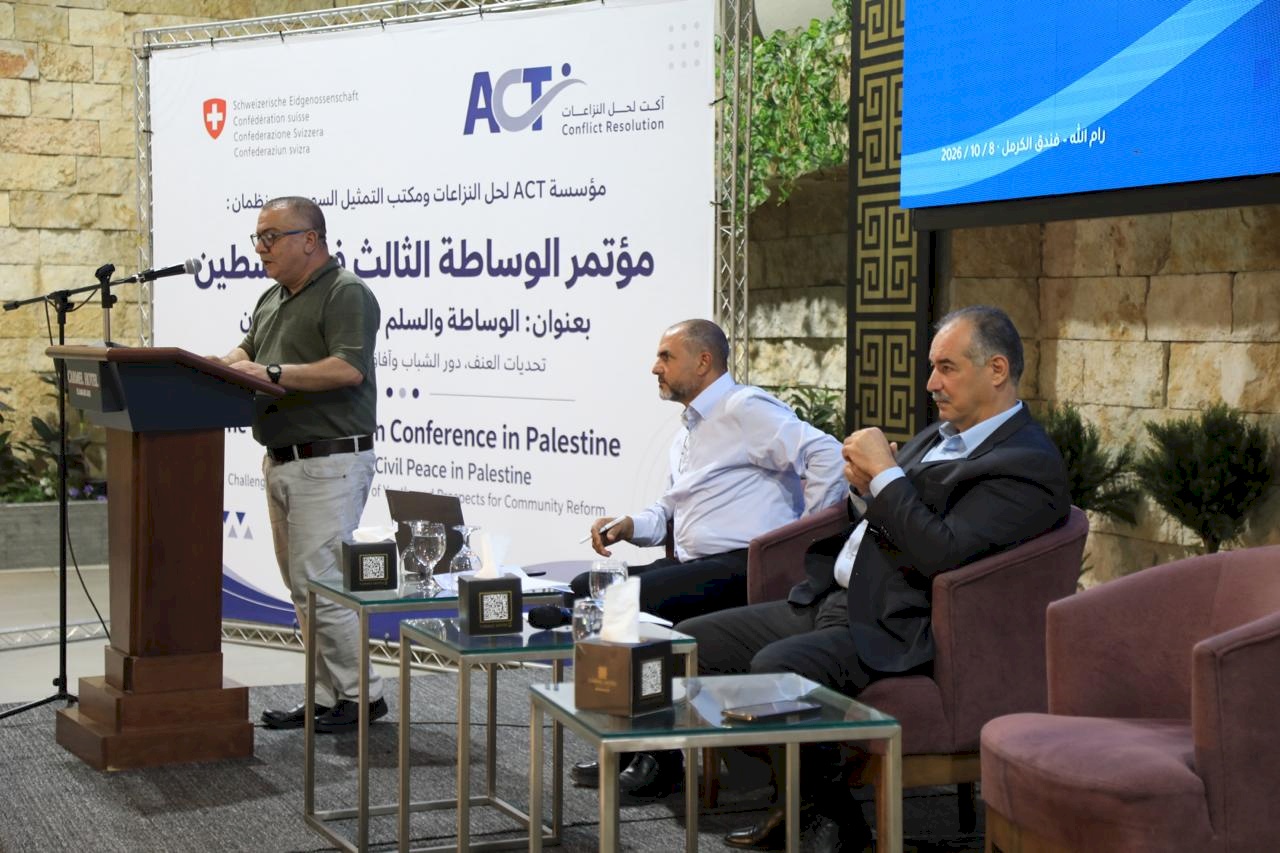
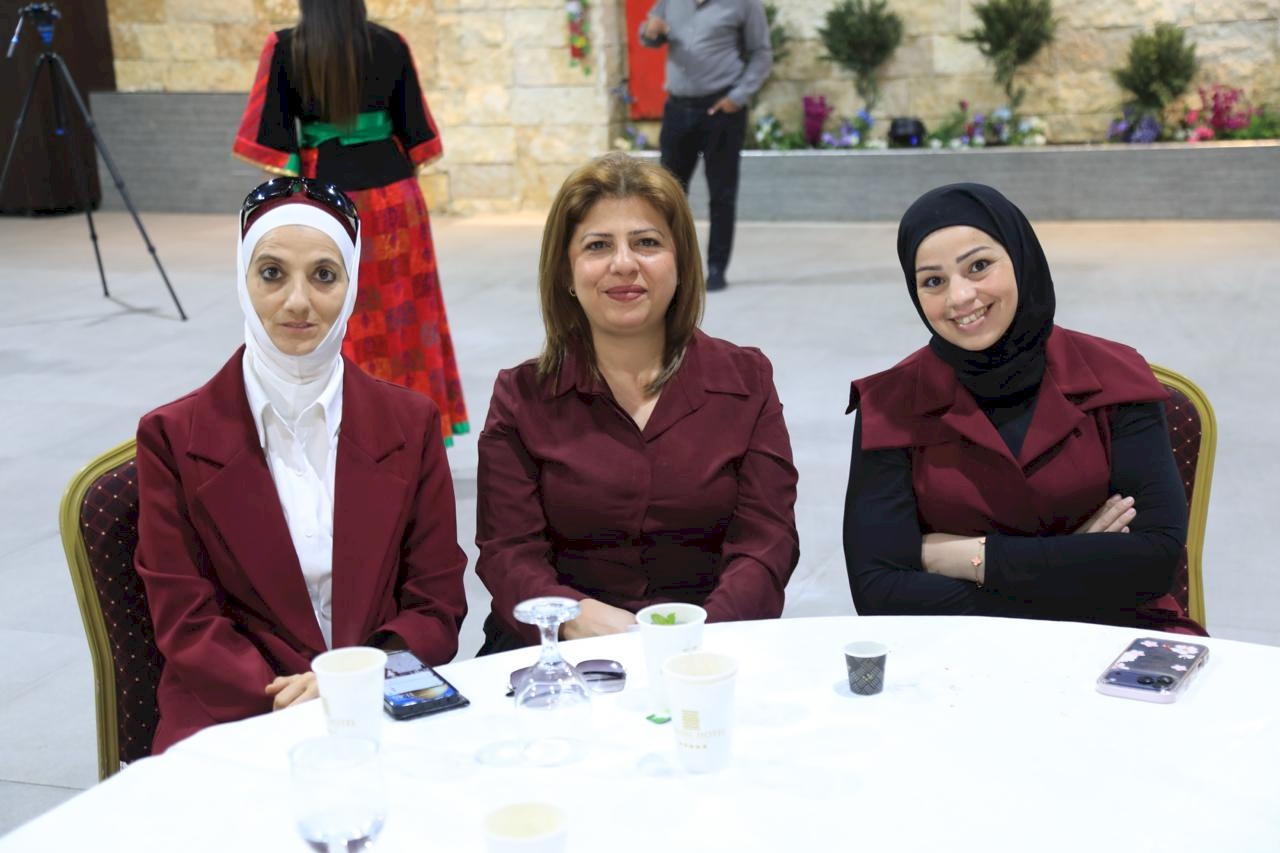
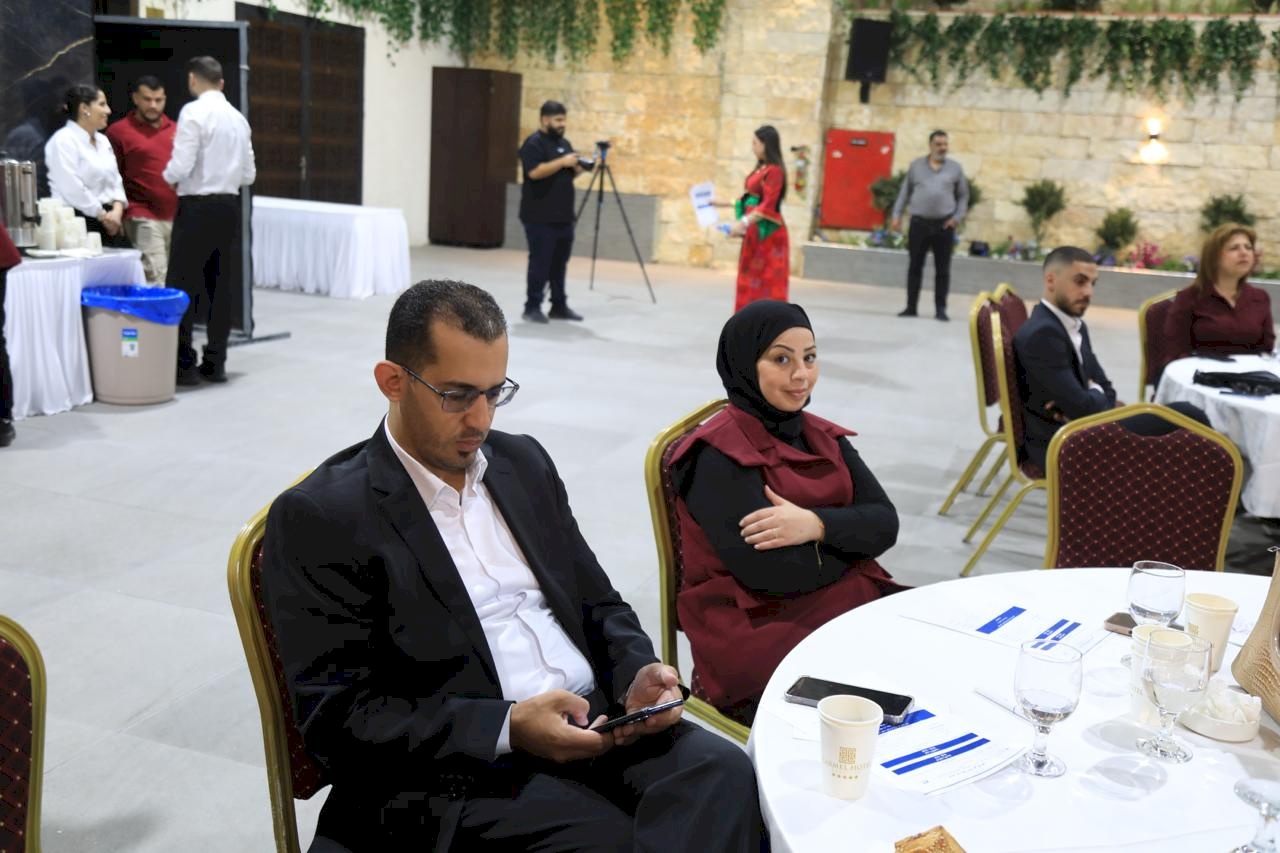
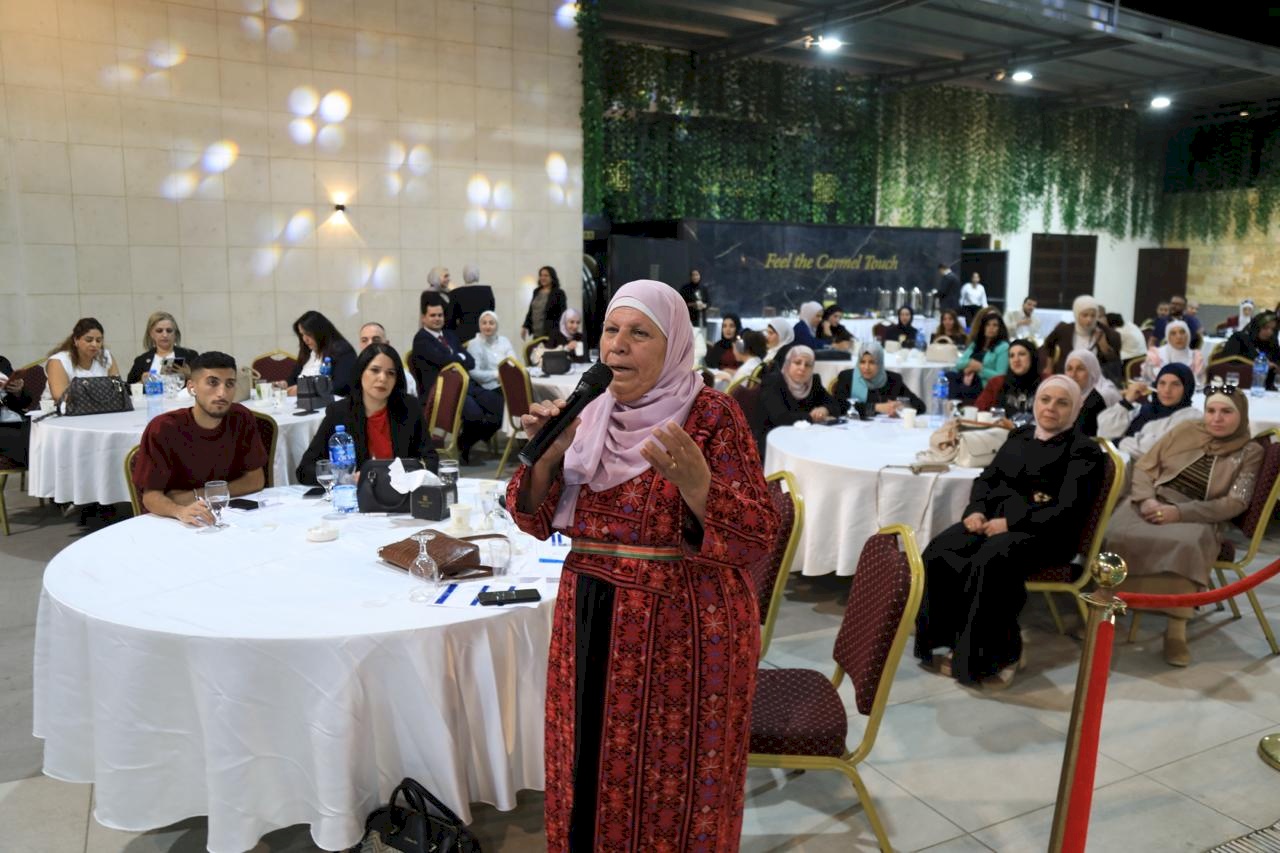
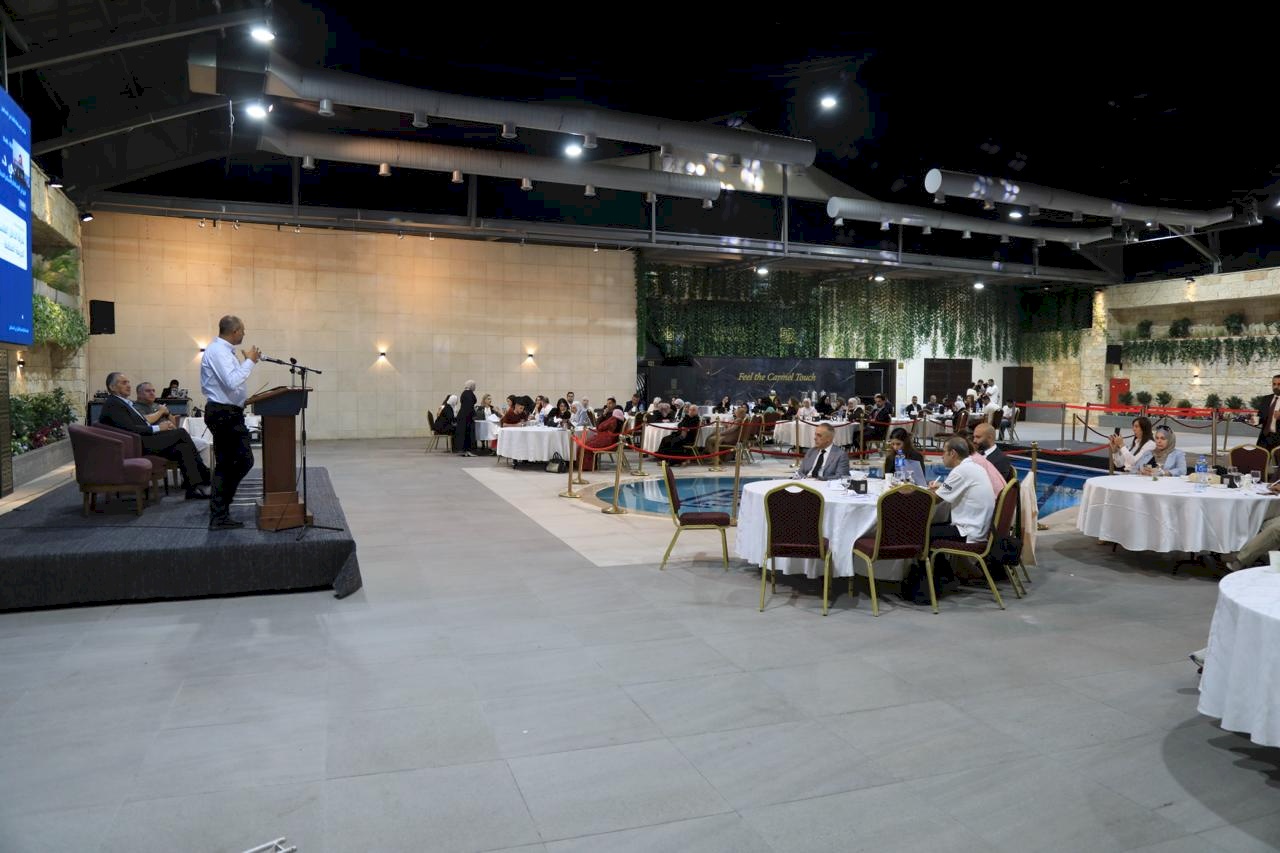
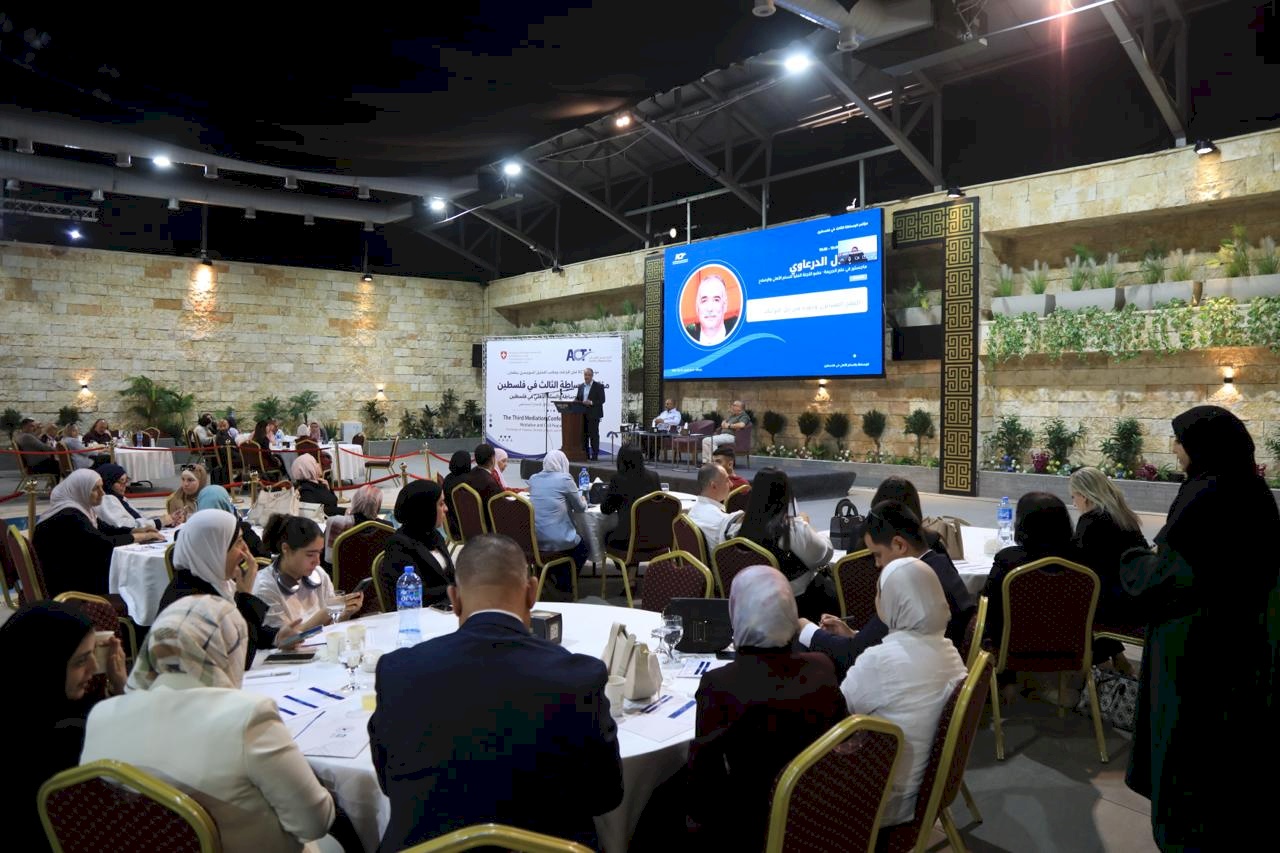
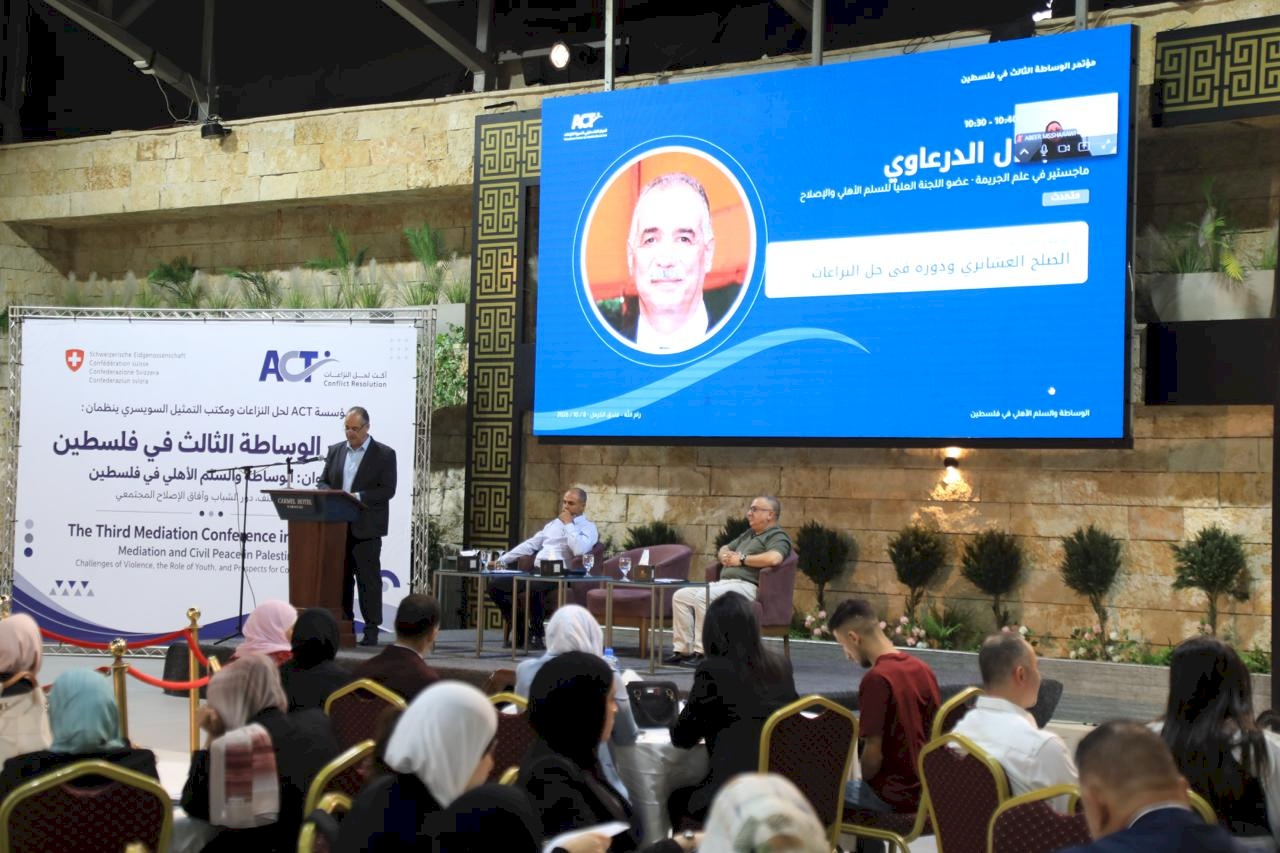
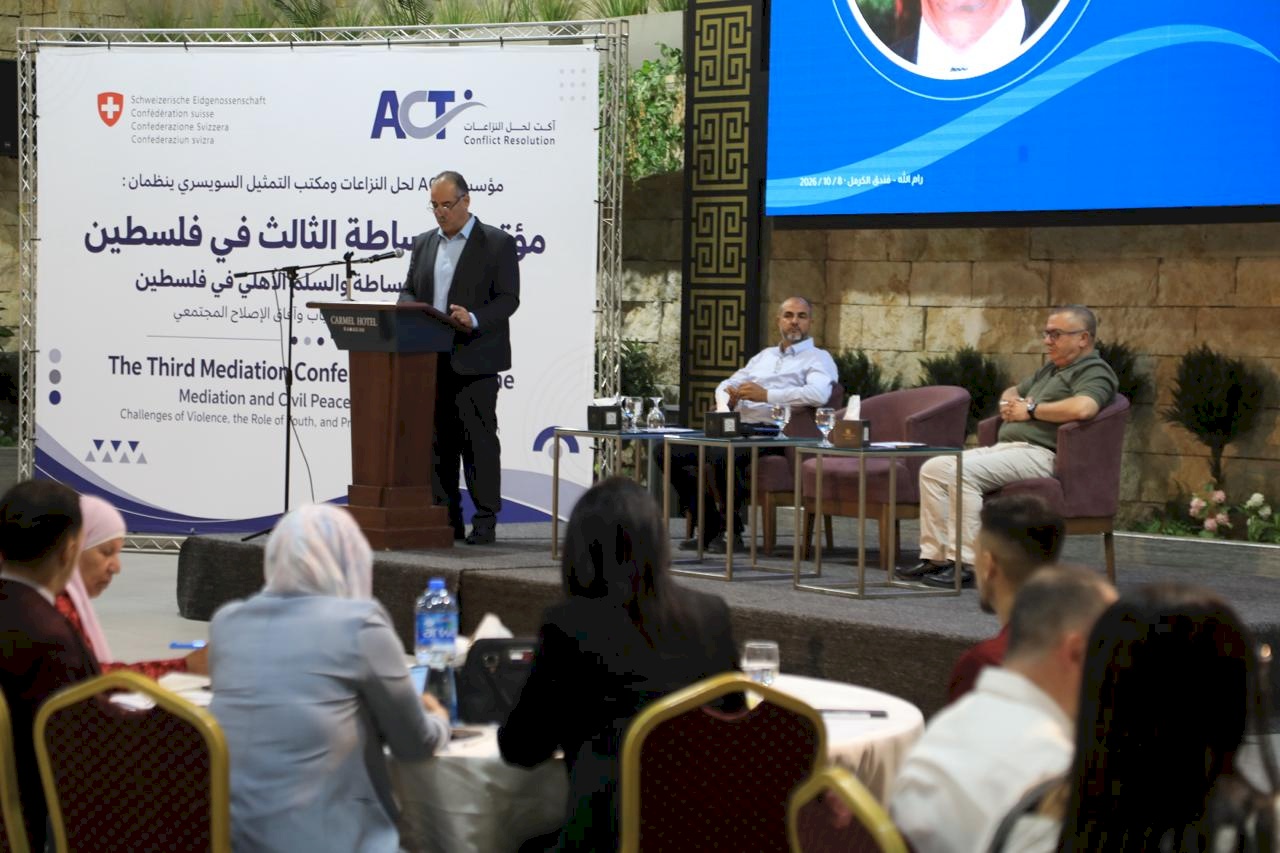
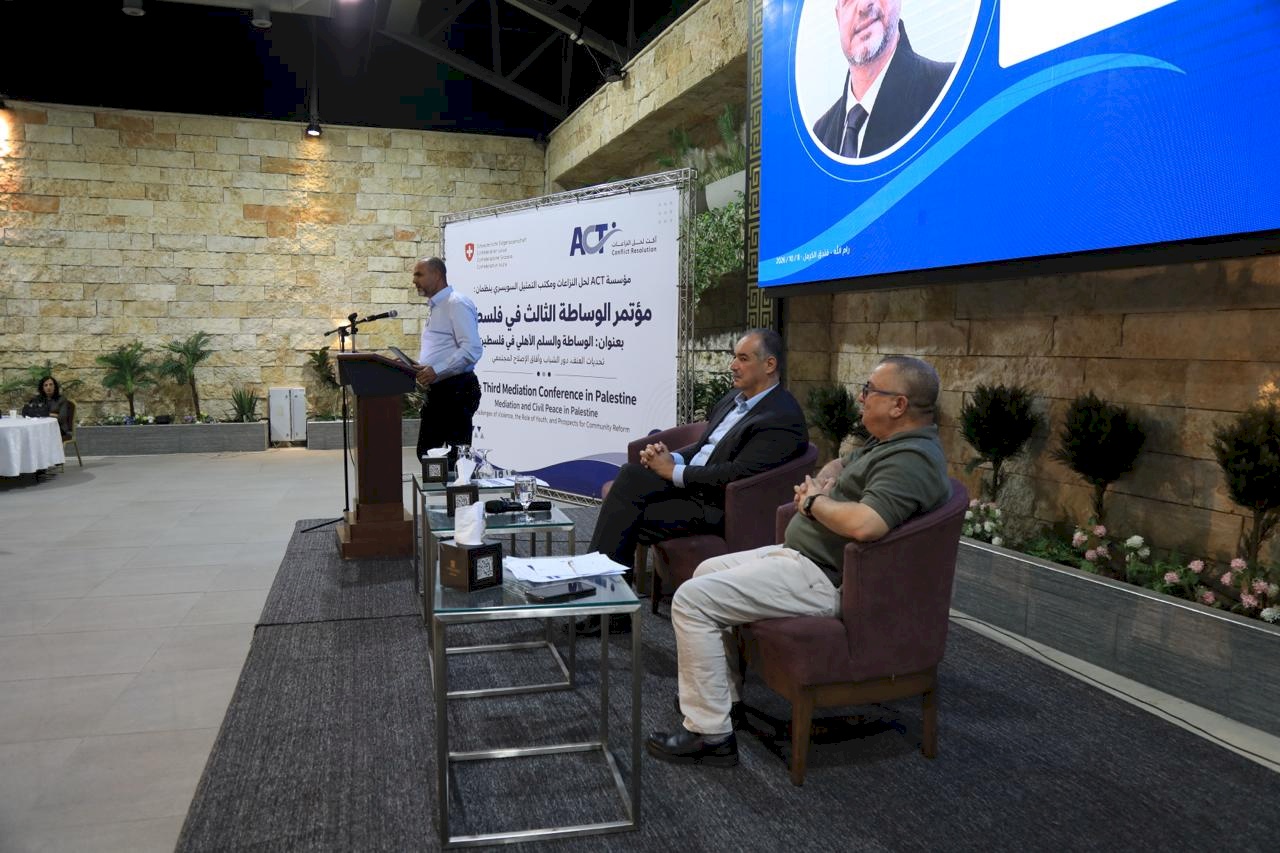
The first session of the 3rd Mediation Conference in Palestine—held under the theme “Mediation and Social Cohesion in Palestine: Challenges of Violence, the Role of Youth, and Horizons for Community Reform”—examined strategies to address the ramifications of violence, organized crime, and psychological trauma on social peace and family stability. The session outlined a comprehensive set of recommendations aimed at creating an integrated national framework combining community reconciliation, professional mediation, restorative justice, law enforcement, and psycho-social protection.
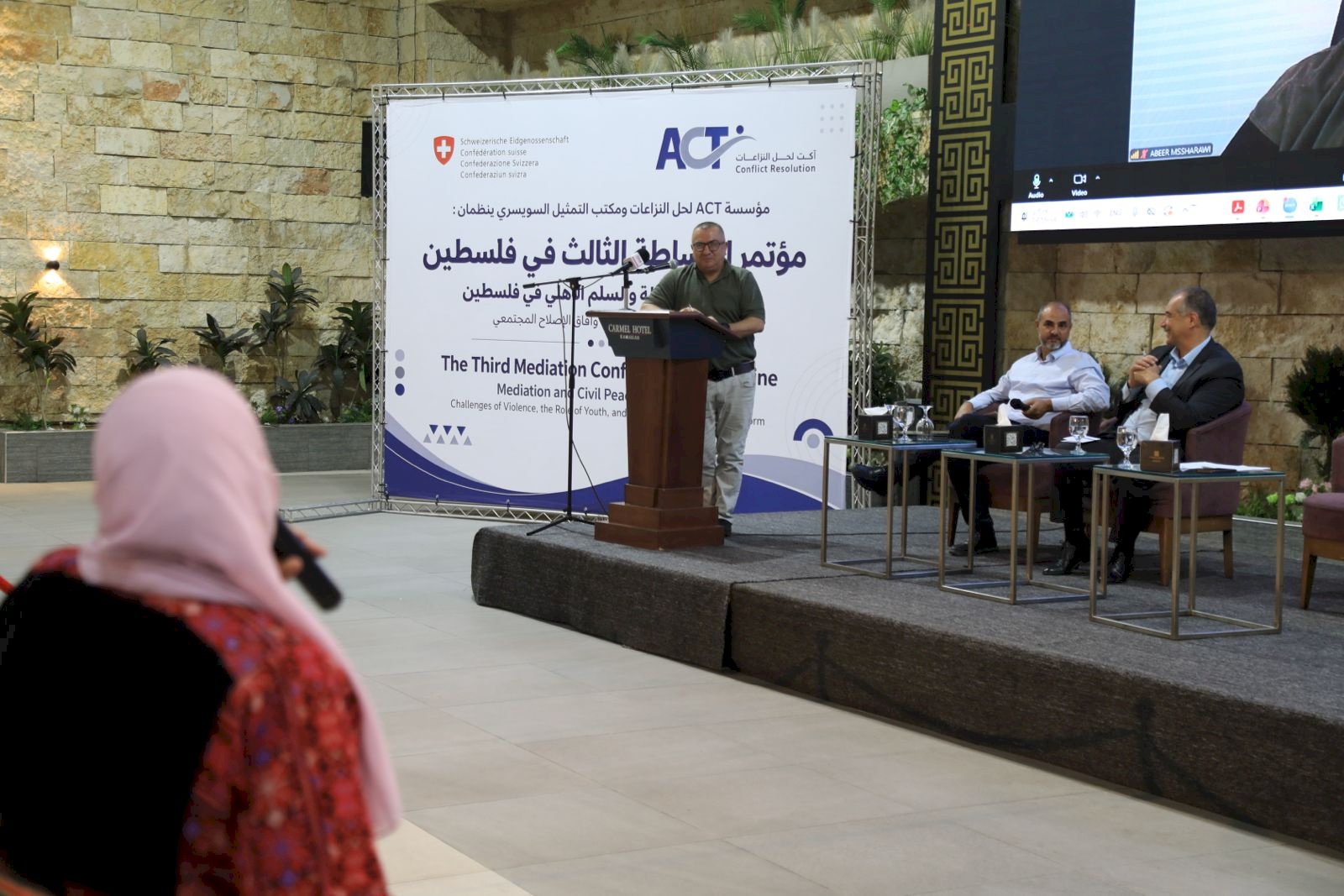
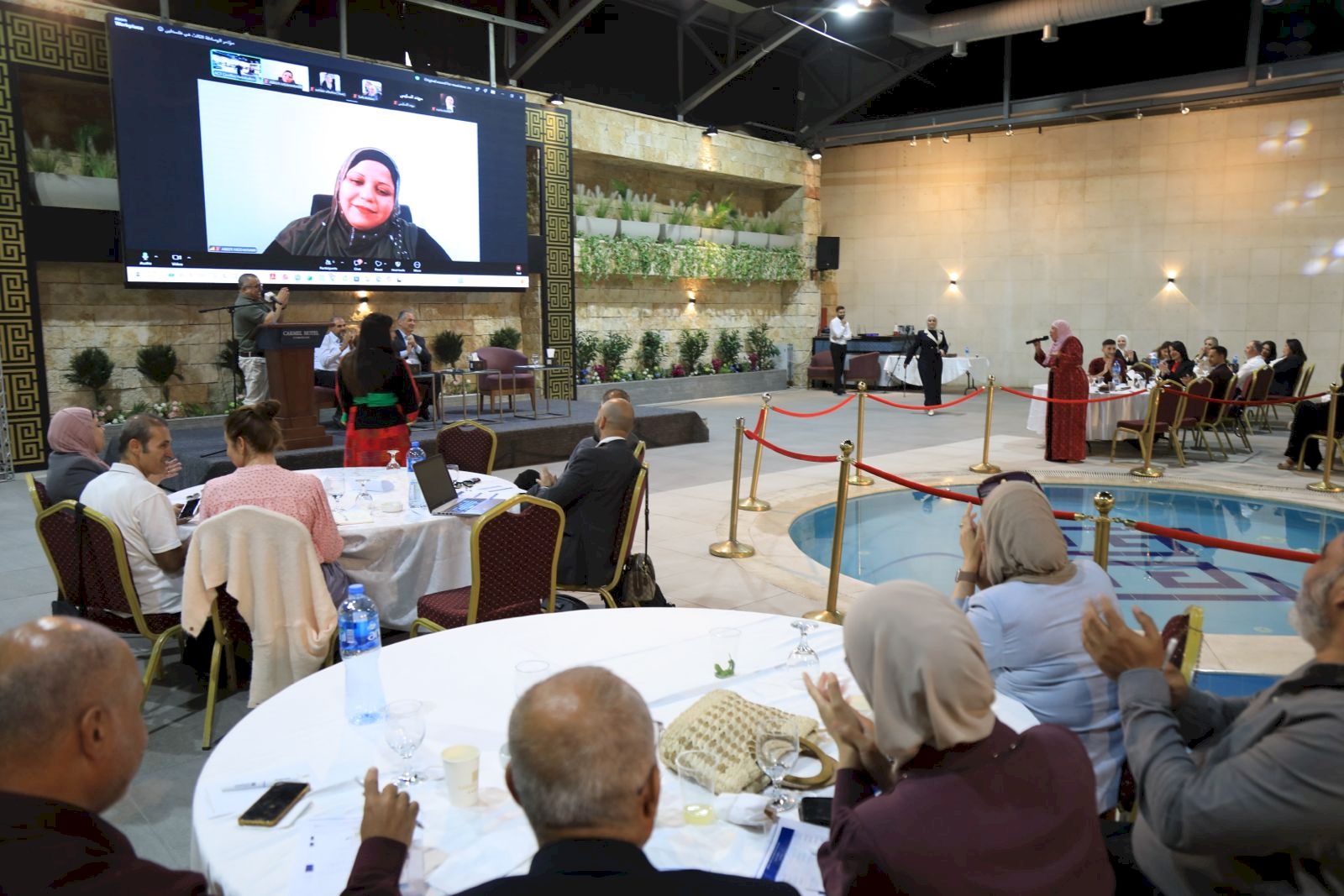
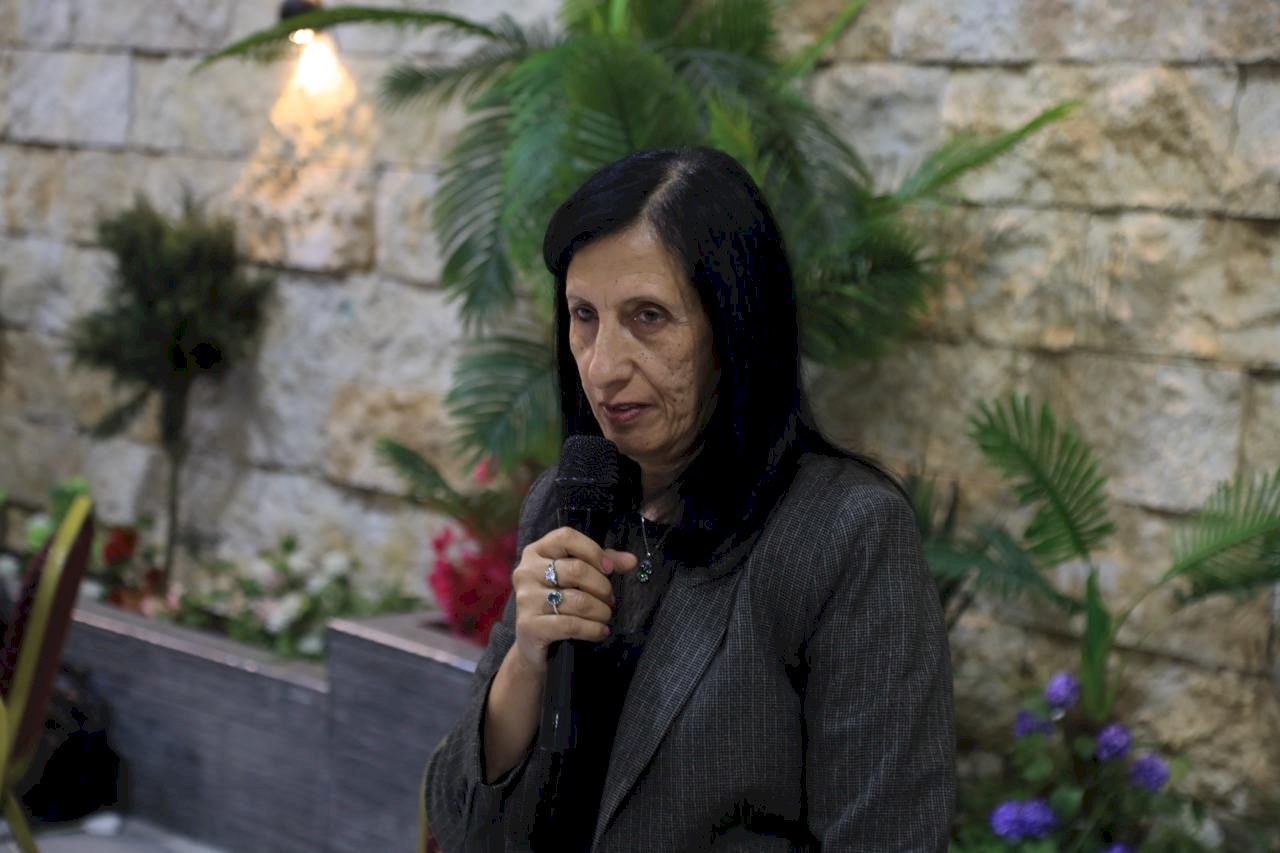
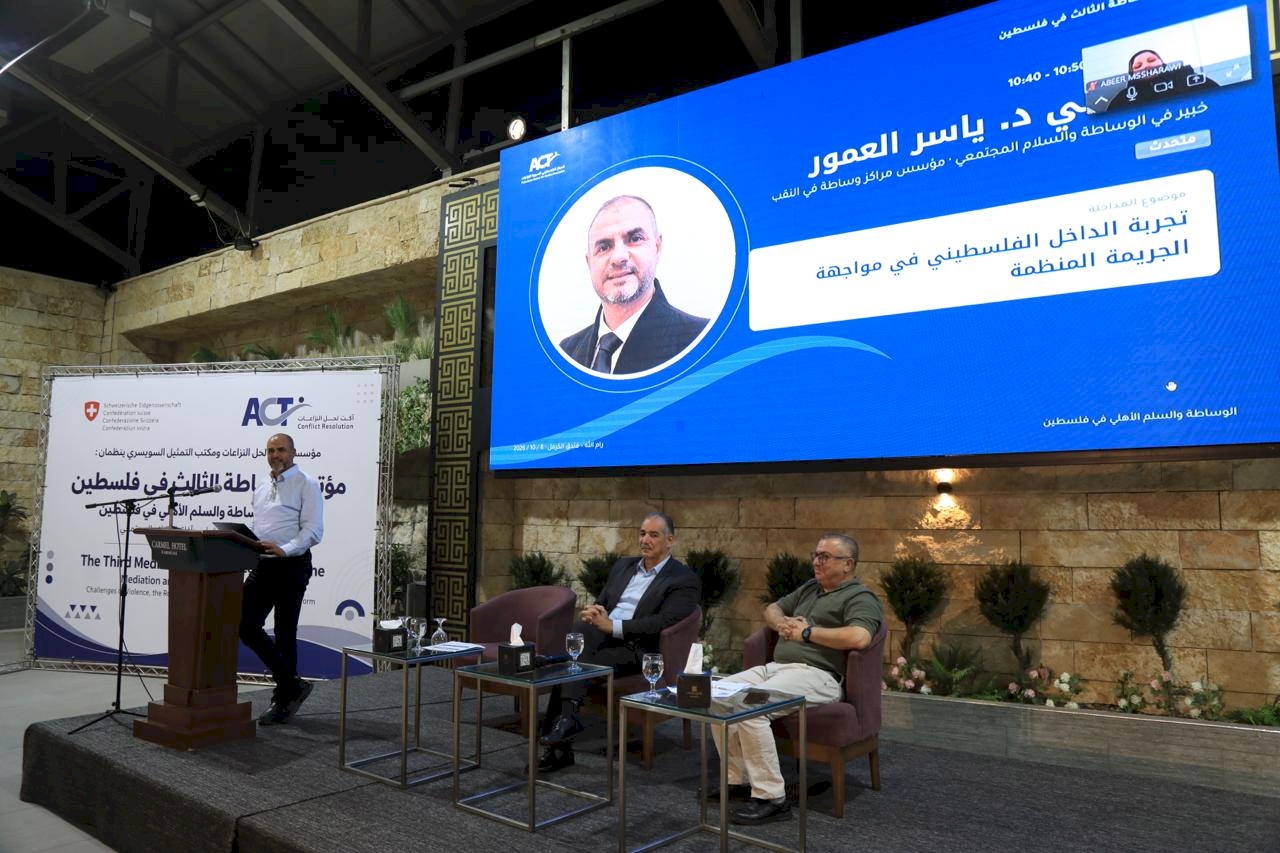
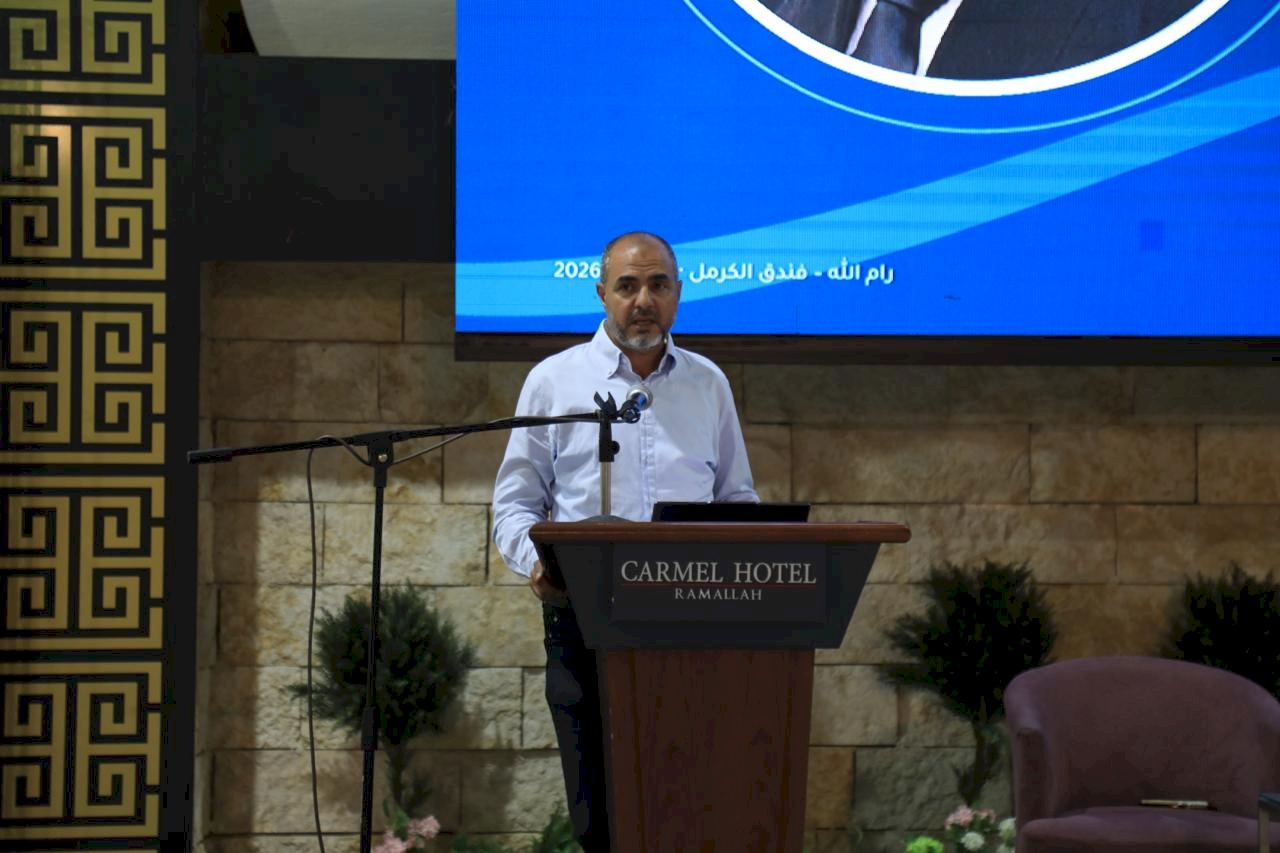
Titled “Violence and Crime and Their Impact on Social Cohesion,” the session was moderated by Dr. Riad Shreim, academic and researcher in philosophy and political sociology. Panelists included Dr. Jamal Al-Daraawi, member of the High Committee for Civil Peace and Reform in Palestine; Attorney Dr. Yasser Al-Amour, expert in mediation and community peace and founder of mediation centers in the Negev; and Dr. Abeer Al-Mashharawi, specialist and consultant in mental health.
Tribal Reconciliation and Community Reform: Toward a More Integrated National Framework
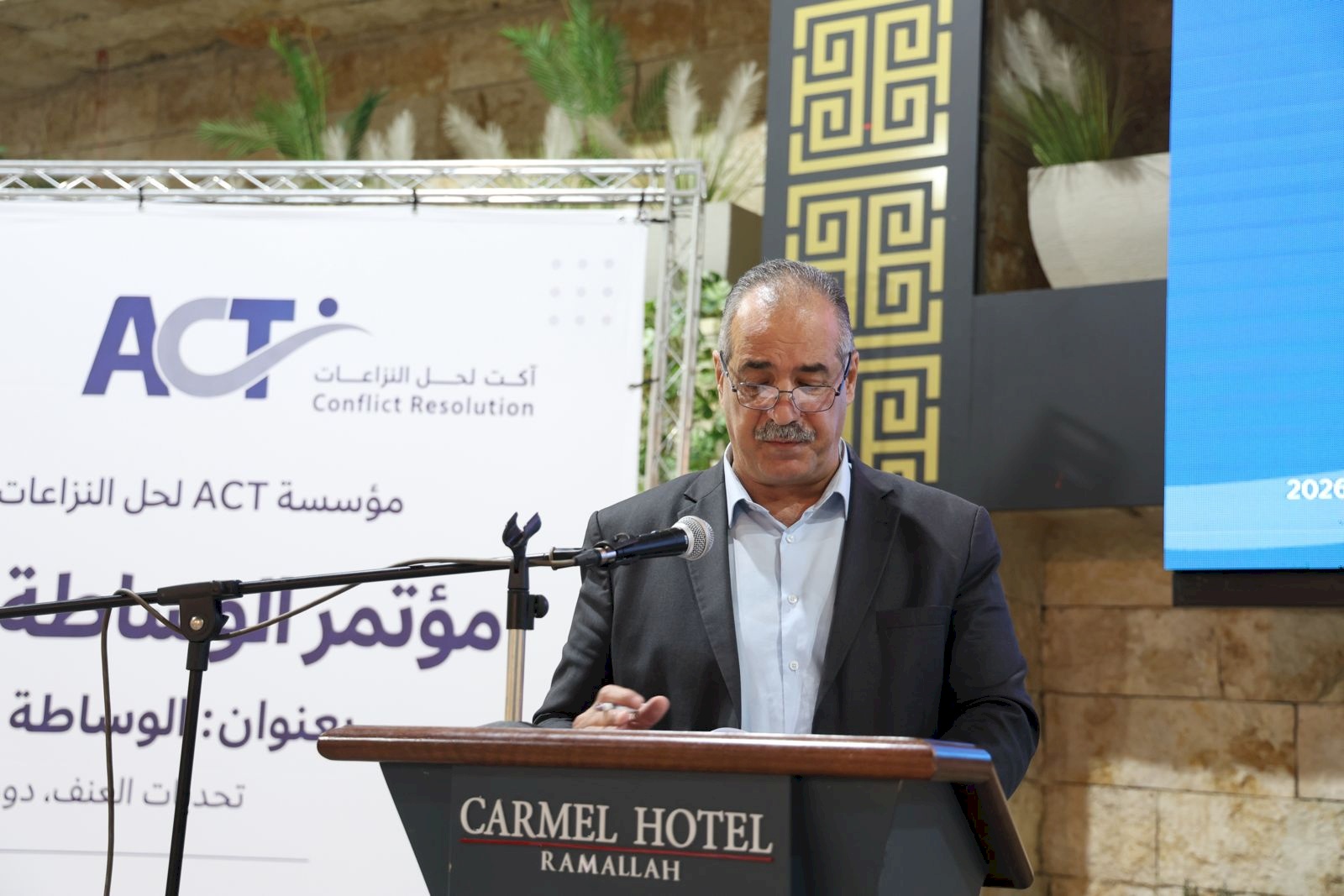
Dr. Jamal Al-Daraawi addressed tribal reconciliation (Sulh) and its role in conflict resolution, emphasizing the necessity of building upon existing practices to establish a clearer, more integrated national framework for civil peace and community reform, thereby strengthening societal capacity to contain disputes and preserve social cohesion.
In this context, recommendations called for:
Establishing a National Council for Civil Peace and Community Reconciliation: Comprising relevant stakeholders, including women’s organizations, to foster community unity, embed a culture of dialogue, and develop early intervention mechanisms to prevent dispute escalation.
Fostering Integration: Enhancing synergy between traditional reform committees, professional mediation centers, and civil society organizations within a structured and efficient framework.
Combating Organized Crime: From Security Response to Community Prevention
Attorney Dr. Yasser Al-Amour reviewed the experience of Palestinians inside Israel in confronting organized crime, highlighting the imperative of shifting from fragmented initiatives toward an institutionalized, multi-sector approach that distributes responsibilities among official bodies, local authorities, civil society organizations, mediation centers, and reform committees.
Key recommendations for this track included:
Governmental Prioritization: Placing the fight against organized crime and public safety at the forefront of government priorities, upgrading criminal investigation capabilities, protecting witnesses and victims, combating the proliferation of illegal weapons, and ensuring professional, equal law enforcement backed by oversight, accountability, and transparency.
Addressing Structural Gaps: Tackling systemic gaps in urban planning, housing, education, employment, and infrastructure as foundational components of long-term prevention policies.
An Integrated Dispute Resolution Model: Developing an integrative model that connects traditional community reconciliation, professional mediation, and restorative justice while respecting the rule of law and the judiciary.
Local Capability Building: Expanding mediation and dialogue centers within local authorities, qualifying mediators and reconcilers according to professional standards ensuring neutrality, confidentiality, free consent, and party protection.
Early Intervention & Safeguards: Institutionalizing early intervention in family, community, and school disputes, while establishing strict safeguards to prevent reconciliation or mediation from covering up severe crimes or pressuring victims to waive their rights.
Civil Society & Youth Empowerment: Strengthening civil society’s role in monitoring public policy, advocating for rule-of-law equality, building a sustainable coalition against violence, and empowering youth through initiatives such as the “Young Mediator” or “Reconciliation Mentor” programs supervised by professionals.
Actionable Local Initiatives: The panel proposed three scalable local initiatives:
“Safe Town Through Dialogue”: Enhancing local partnerships in conflict prevention.
“Schools Building Social Cohesion”: Embedding dialogue, mediation, and dispute management skills in educational environments.
“A Community Supporting Its Victims”: Providing comprehensive psychological, social, legal, and economic support to families of victims of violence, with dedicated focus on orphaned children, individuals with disabilities, and those experiencing persistent trauma.
To operationalize this vision, the conference recommended developing a three-tiered Palestinian framework for civil peace: (1) Protection, Accountability, & Law Enforcement; (2) Prevention & Dispute Resolution; and (3) Building Community Resilience. A multi-stakeholder follow-up group will be established to draft an initial implementation plan within six months and pilot the model in selected local communities before scaling nationwide.
Mental Health and Trauma: Safety and Protection as the Core Response
Addressing the psychological dimension, Dr. Abeer Al-Mashharawi highlighted the impact of trauma on social peace and family stability, underscoring the critical need to integrate psycho-social considerations when responding to violence and conflict.
Recommendations in this track focused on:
"Safety First" Intervention Model: Linking family legal protection with mental health services and justice mechanisms through a unified referral system to streamline inter-agency coordination.
Specialized Field Support: Deploying trained mediation units in shelter centers, developing targeted programs for parents and men’s support groups, and offering trauma-informed counseling services.
Holistic Victim Care: Ensuring dispute resolution processes account for parties' psychological needs so that responses to violence extend beyond settling disputes to guaranteeing the physical safety and emotional well-being of those affected.
Toward a Unified Vision for Safeguarding Civil Peace
The session outcomes reflected a broad consensus on adopting a holistic approach to safeguarding civil peace in Palestine—uniting community reform, organized crime prevention, professional mediation, restorative justice, and comprehensive support for families impacted by violence.
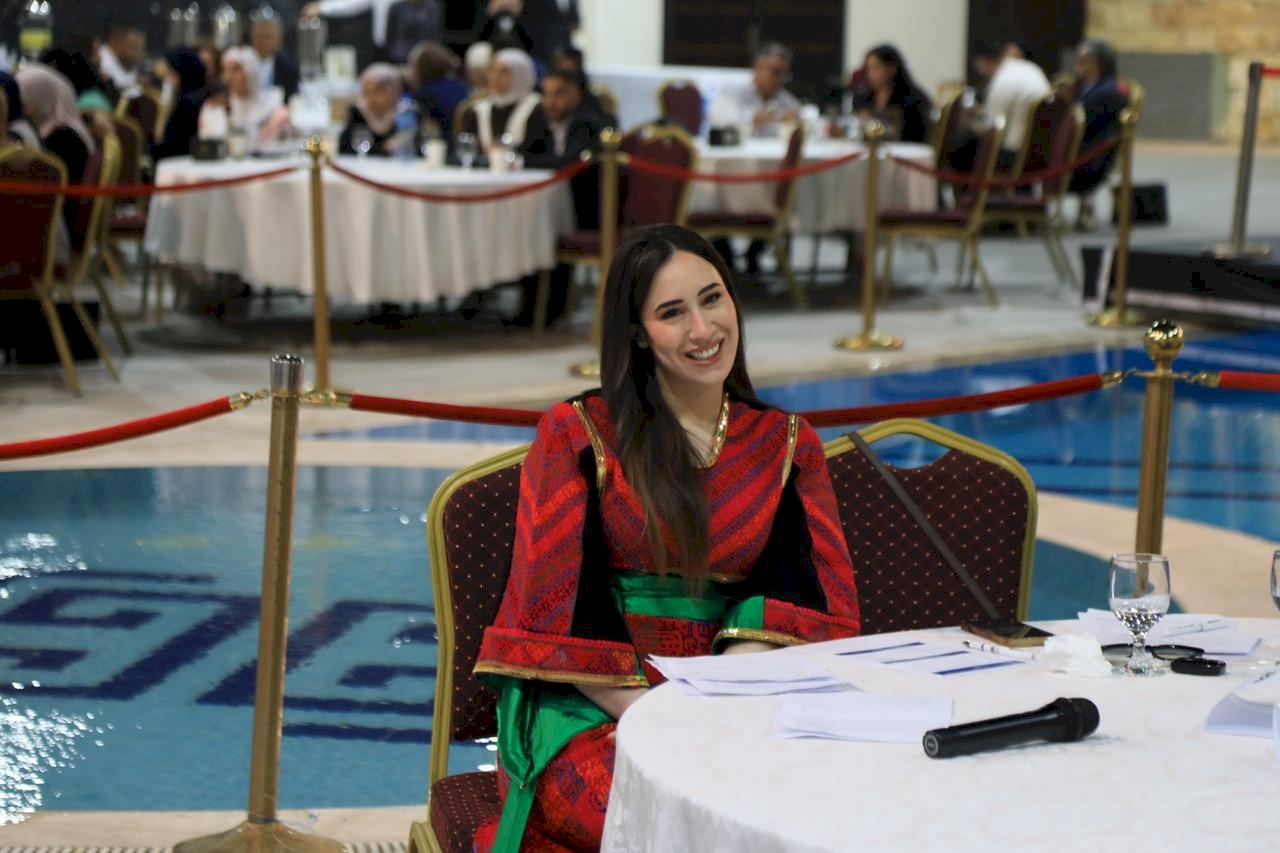
This session forms an integral part of the 3rd Mediation Conference in Palestine, organized by ACT for Conflict Resolution as part of its ongoing mission to promote dialogue, develop community-based approaches to conflict resolution, and strengthen social cohesion across Palestine.