rom Conflict Resolution to Peacebuilding: The 3rd Mediation Conference in Palestine Opens a Broad Discussion on Civil Peace, Youth Roles, and Community Reform
Ramallah – From Conflict Resolution to Peacebuilding: The 3rd Mediation Conference in Palestine Opens a Broad Dialogue on Social Cohesion, Youth Roles, and Community Reform
Ramallah – As daily disputes grow increasingly complex, the key question is no longer merely how to resolve a conflict, but how to prevent it from escalating into violence and how to cultivate spaces for dialogue before disputes reach a point of no return. Framed around this essential vision, the 3rd Mediation Conference in Palestine was convened under the theme: “Mediation and Social Cohesion in Palestine: Challenges of Violence, the Role of Youth, and Horizons for Community Reform.” The conference brought together legal, academic, civil society, and youth voices into a unified platform to examine the current state and future trajectory of mediation within the Palestinian context.
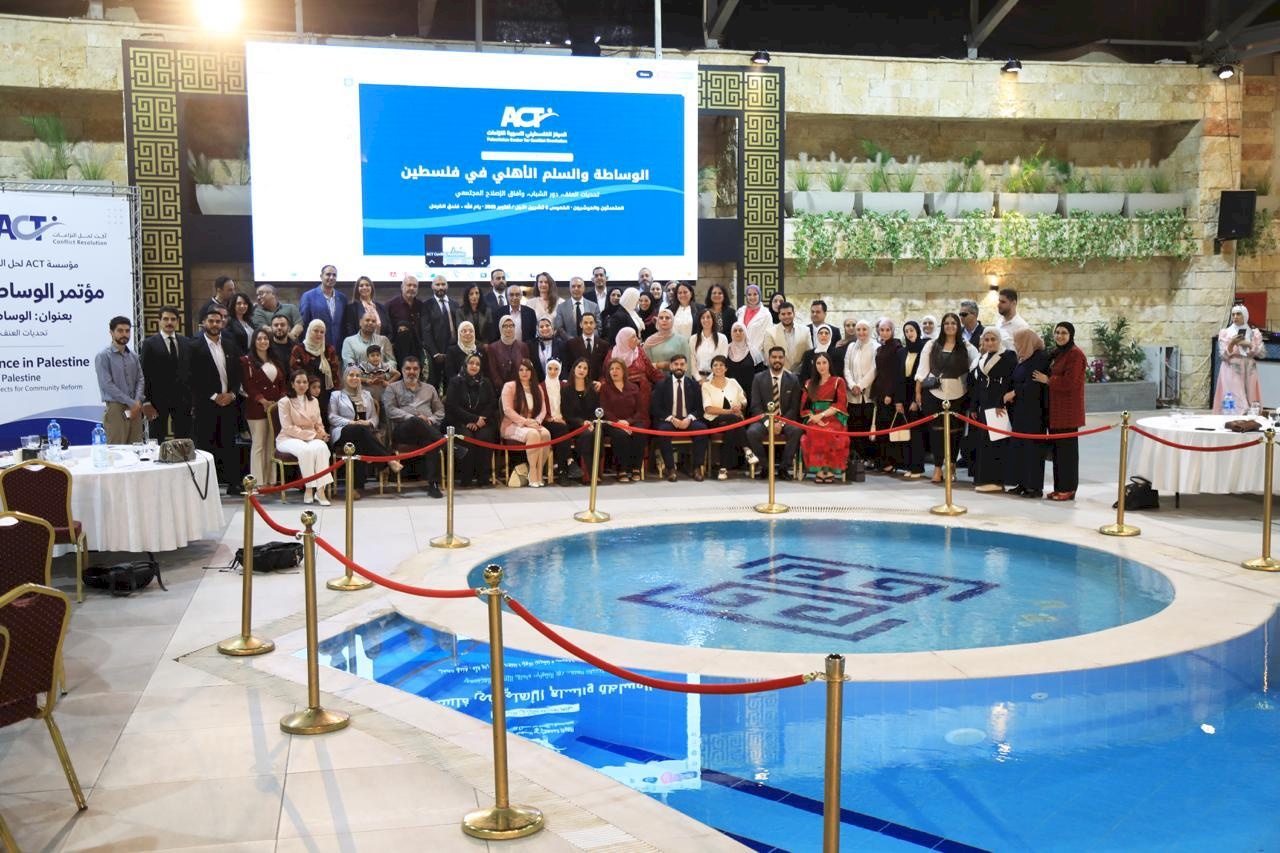
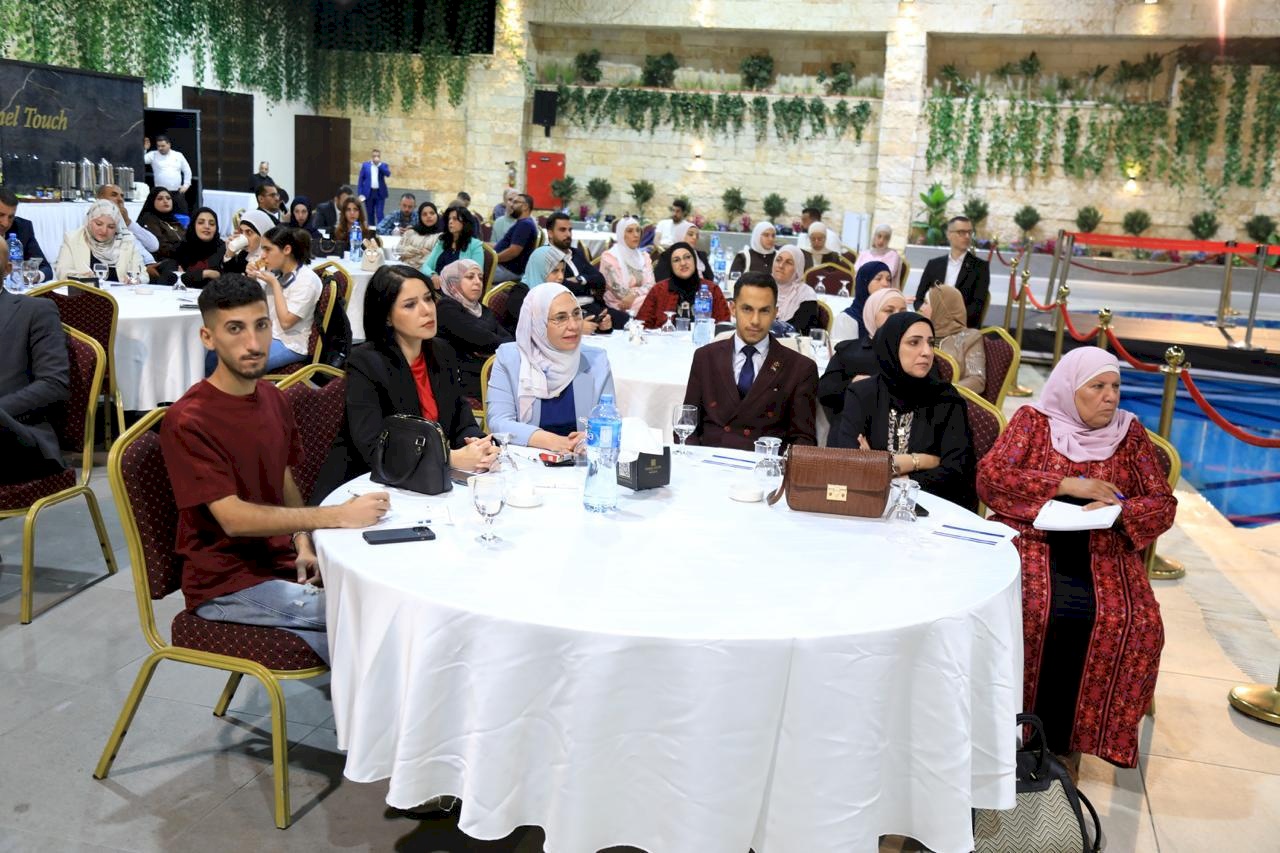
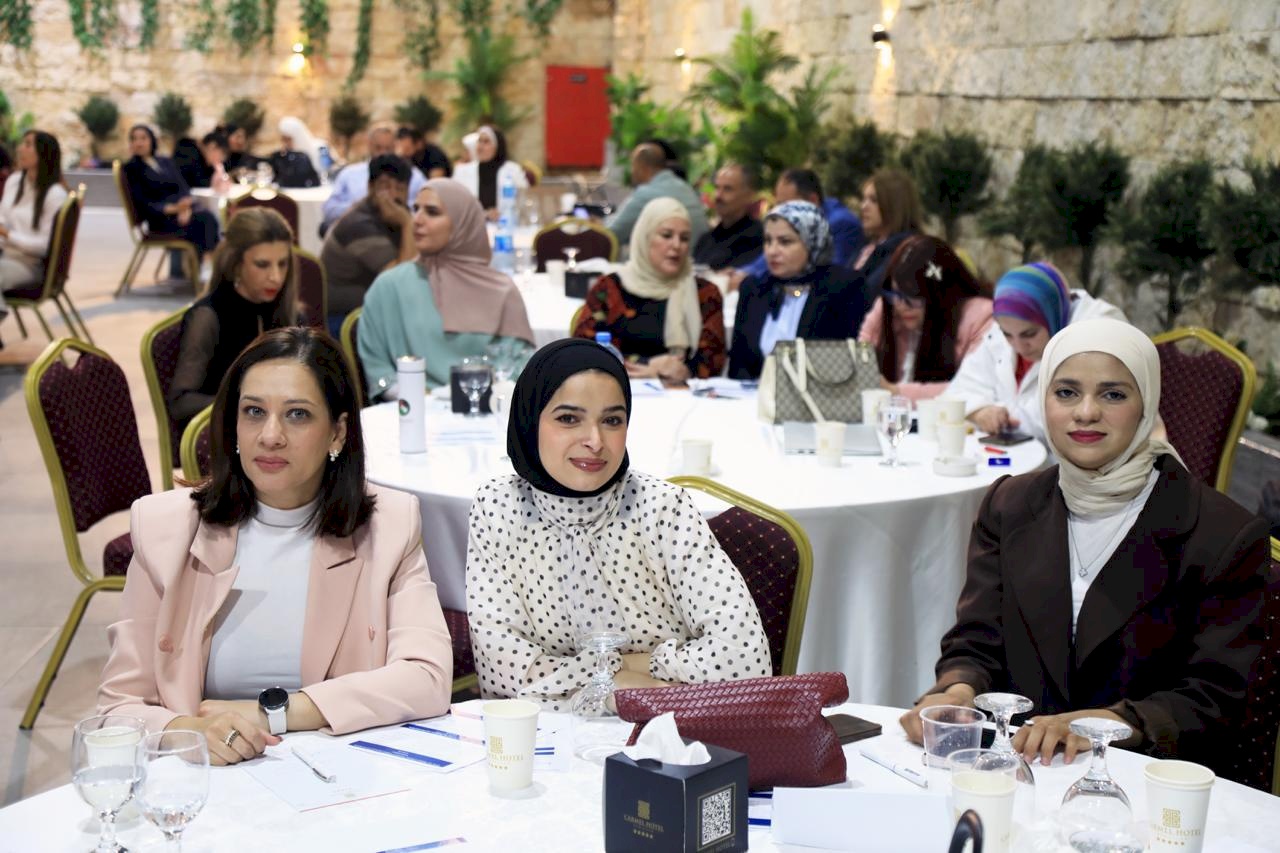
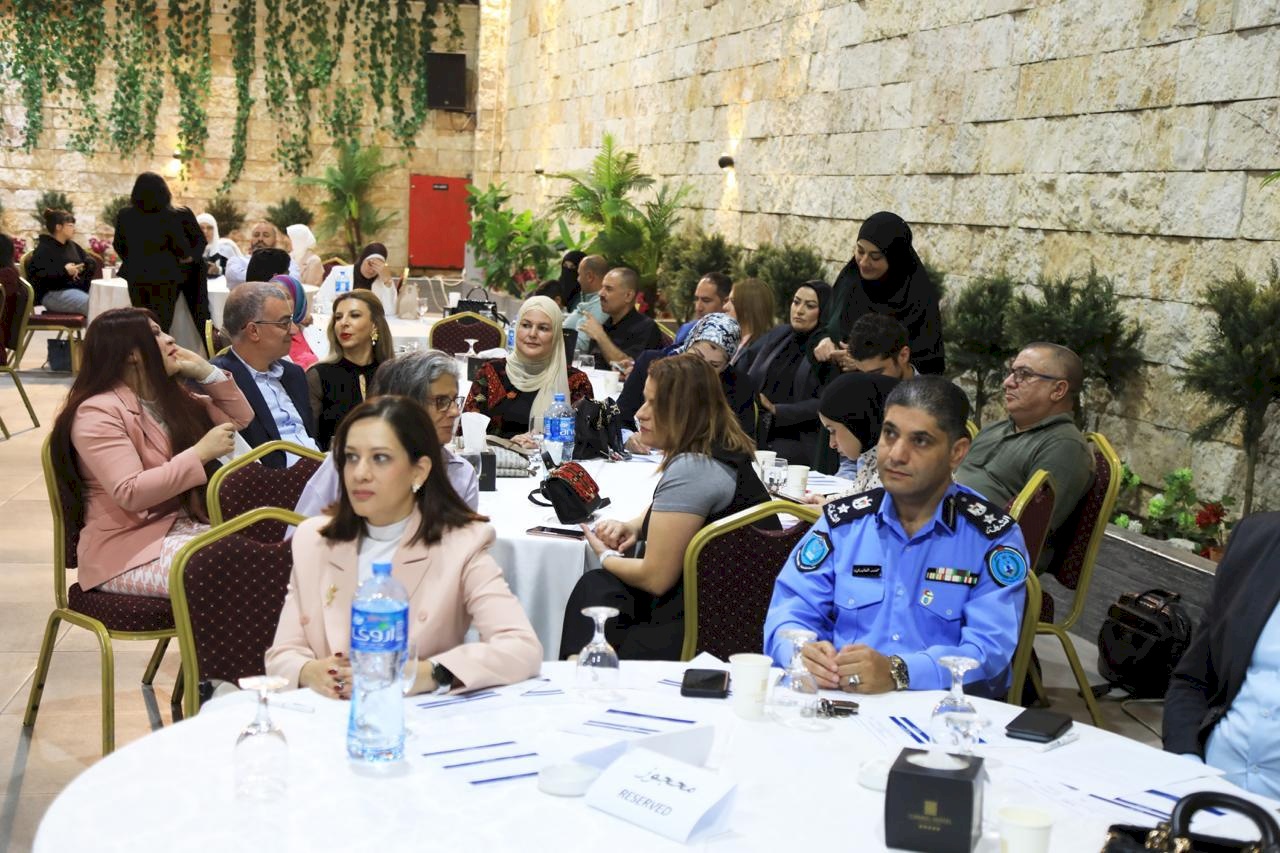
Held to mark the conclusion of the project “Mediation as a Tool for Community Peacebuilding,” the event was organized and executed by ACT for Conflict Resolution, serving as the implementing body and event organizer. The conference convened a distinguished lineup of academics, judges, lawyers, experts, mediators, organizational leaders, and youth representatives.
Far from being a routine project closing ceremony, the conference offered a critical space to review accomplishments, address ongoing areas for development, and raise fundamental questions that extend beyond mediation as a dispute resolution mechanism toward its potential role in strengthening social cohesion, curbing violence, advancing community reform, and fostering sustainable peace.
From Opening Remarks to the Quest for Social Cohesion
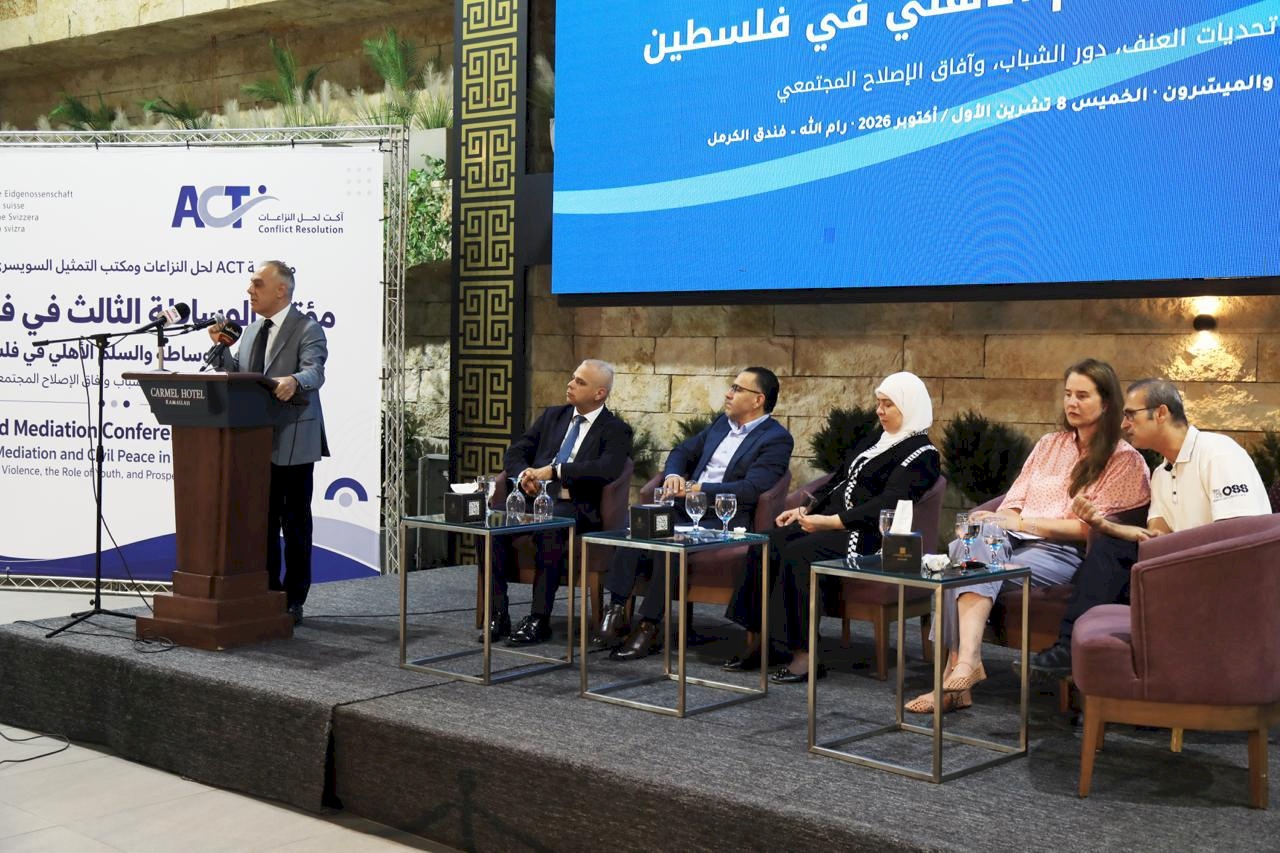
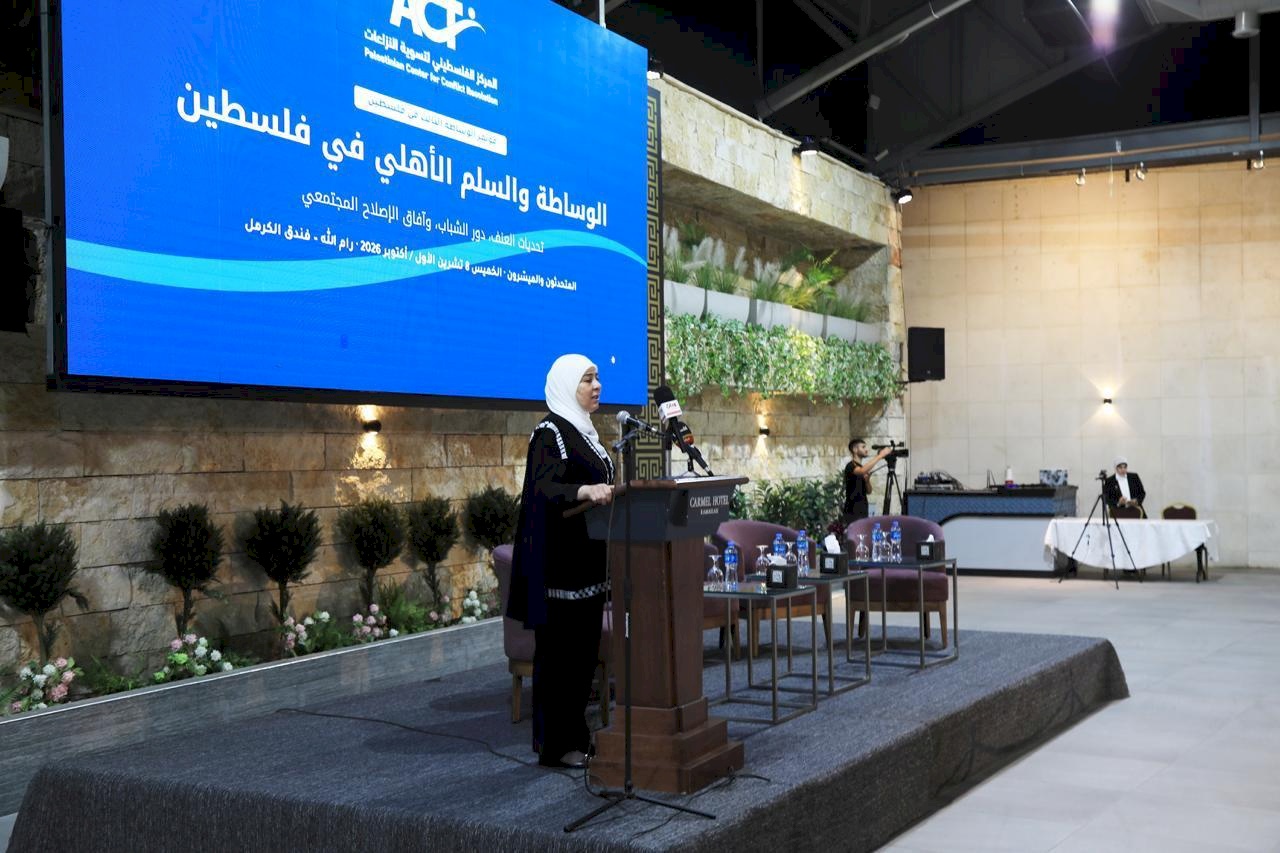
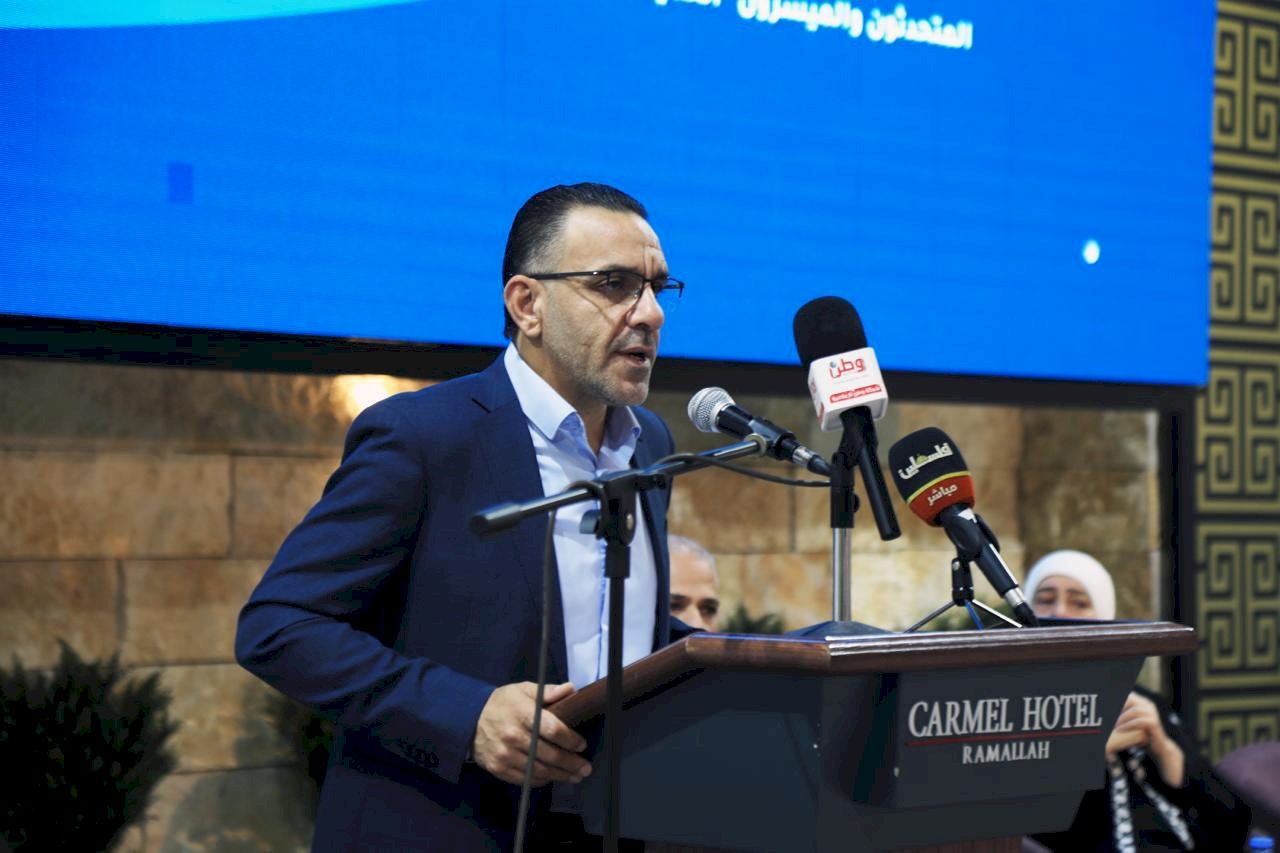
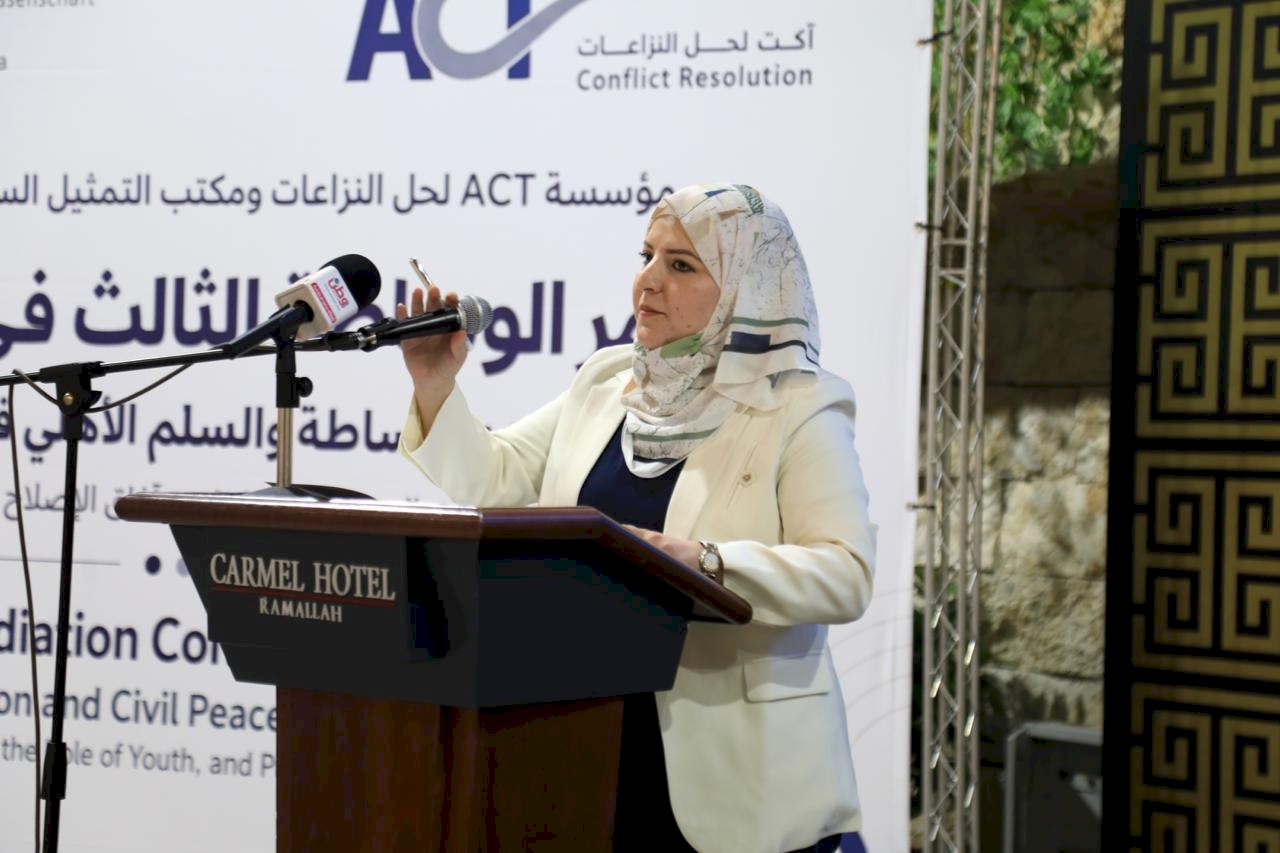
The conference commenced with opening addresses delivered by prominent national, legal, and institutional leaders, who unanimously emphasized the importance of dialogue and mediation in managing disputes and safeguarding social cohesion.
Key speakers in the opening session included:
Dr. Laila Ghannam, Governor of Ramallah and Al-Bireh Governorate
H.E. Adnan Ghaith, Governor of Jerusalem Governorate
Mr. Ahmed Al-Assa, Vice-President of the Palestinian Bar Association
Ms. Stephanie Selg, Representative from the Representative Office of Switzerland
Dr. Mahmoud Abu Swai, Chairman of the Board of Directors at ACT for Conflict Resolution
Mr. Muhammad Hadieh, Executive Director of ACT for Conflict Resolution, who delivered the organization's address to the audience.
The opening statements highlighted the necessary synergy between official, legal, academic, and community institutions—not only in resolving conflicts after they arise, but in building an ecosystem capable of fostering dialogue, preventing violence, and promoting a culture of peaceful resolution. From this foundation, discussions shifted from general principles to the most pressing socio-legal challenges in Palestine.
When Violence Challenges Social Cohesion
The first session, titled “Violence and Crime and Their Impact on Social Cohesion” and moderated by Dr. Riad Shreim, addressed the relationship between rising levels of violence and crime and a community’s ability to maintain stability and cohesion.
Within this framework:
Dr. Jamal Al-Daraawi, member of the High Committee for Civil Peace and Reform, presented an intervention on tribal reconciliation (Sulh) and its role in conflict resolution as a traditional community-based framework.
Attorney Dr. Yasser Al-Amour, expert in mediation and community peace, outlined the experience of Palestinians inside Israel in confronting organized crime, situating it within the broader debate on crime management and its societal impacts.
Recognizing that violence impacts mental and domestic spheres alongside legal structures, Dr. Abeer Al-Mashharawi, Mental Health Consultant, joined via video conference (Zoom) to address mental health under trauma and its direct implications for social peace and family stability.
By integrating legal, social, family, and psychological perspectives, the first session broadened the scope of social cohesion as an interconnected field of study and action.
Mediation in Palestine: Current Practices and Development Horizons
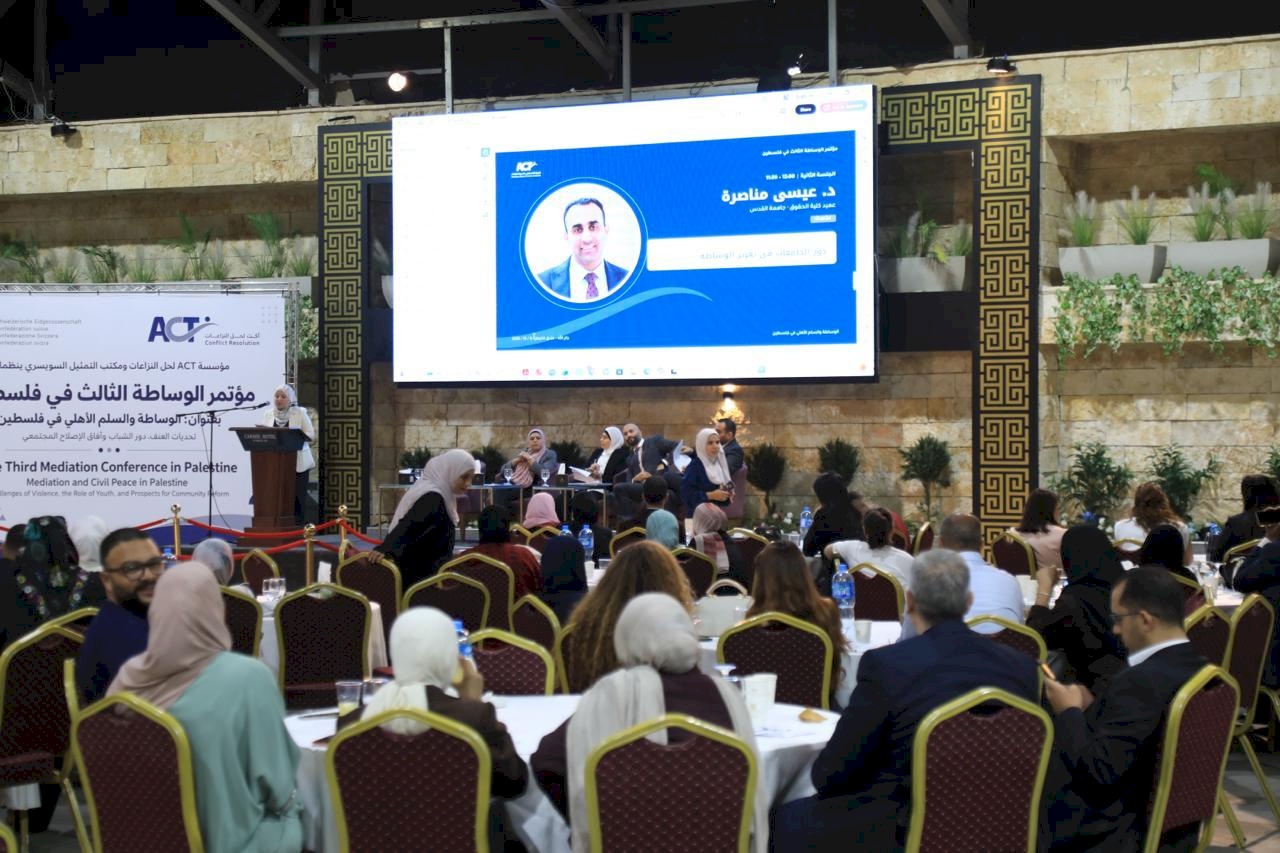
The second session transitioned to practical applications under the theme “Mediation in Palestine: Experiences, Challenges, and Development Horizons,” moderated by Dr. Noor Addas, Dean of the Faculty of Law and Political Science at An-Najah National University.
The session featured evaluations of mediation practices across various Palestinian settings:
Judicial Mediation: Judge Hala Mansour presented on court-annexed mediation and the horizons for developing formal mediation practices in Palestine.
Gaza Context: Ms. Suheir Al-Baba presented the mediation experience in Gaza, offering a localized perspective on adapting conflict resolution tools to complex environments.
Jerusalem Context: Dr. Mahmoud Abu Swai presented on mediation efforts in Jerusalem, highlighting ACT's active role in advancing alternative dispute resolution (ADR) as a practical tool for upholding social peace and the rule of law.
Emphasizing that building a sustainable mediation ecosystem extends beyond practitioners, the discussion turned toward higher education:
Dr. Issa Manasra, Dean of the Faculty of Law at Al-Quds University, addressed the strategic role of universities in promoting mediation.
Ms. Safa Balaawi, Director of the Legal Clinic at An-Najah National University, showcased the clinic's experience in advancing legal literacy and training the next generation of legal professionals and mediators.
The session moved beyond assessing current standing to addressing a forward-looking question: How can legal, academic, and professional frameworks be structured to sustain and scale mediation?
Youth as Active Partners in Building Solutions
The final thematic track focused on youth—moving beyond viewing them as passive beneficiaries to recognizing them as active partners in peacebuilding.
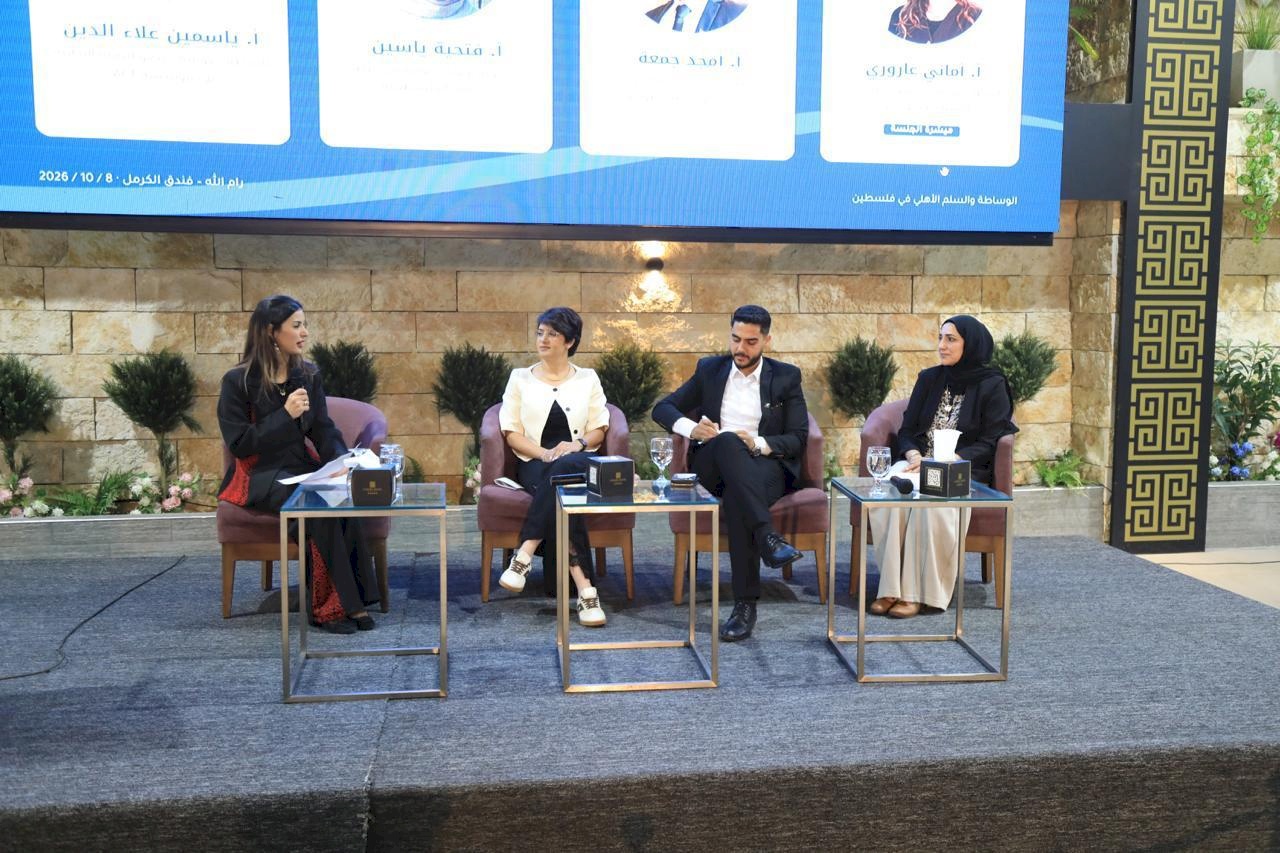
Titled “Youth as Mediators and Community Peacebuilders,” the session was moderated by Ms. Amani Aruri, Program Manager at the Representative Office of Switzerland.
Highlights from this track included:
The Youth Mediators Network: Yasmine Alaeddin and Amjad Jumaa presented the Palestinian Network of Mediators and Community Peacebuilders, stressing the importance of youth-led networks in translating mediation theory into community practice, conflict prevention, and social cohesion.
AI and the Future of Mediation: Exploring tech-driven innovations, Dr. Alaa Eddin Dweikat, Assistant Professor and Certified AI Trainer and Consultant, delivered a presentation on “Artificial Intelligence as a Personal Coach for Young Mediators.” The intervention examined how AI tools can assist young mediators in case analysis, communication strategy, and session preparation.
A Concluded Project, an Ongoing Path
In its conclusion, the conference reflected a broad consensus across the judiciary, legal institutions, universities, civil society, experts, and youth on building more peaceful, effective channels for dispute resolution.
Throughout its proceedings, the conference contextualized Palestinian mediation practices against existing challenges, underscored the responsibilities of academic and legal institutions, elevated the role of youth, and explored modern technological integrations such as AI.
This event directly reflects the core mission of ACT for Conflict Resolution to embed an ADR culture, advance mediation as a practical dialogue mechanism, and strengthen institutional capacities. As the executing body of the project and conference organizer, ACT reaffirms its commitment to expanding mediator capabilities, empowering youth involvement, and broadening multi-sectoral partnerships in conflict resolution and peacebuilding.
The central takeaway of the conference extends beyond viewing mediation merely as a tool to settle disputes: Mediation begins the moment dialogue is chosen over escalation, matures when it becomes an embedded culture, and yields true impact when the whole community participates in building peace.