From Accessibility to Meaningful Participation: Concluding the Training on Inclusive Mediation for Persons with Disabilities
Ramallah | September 12, 2026
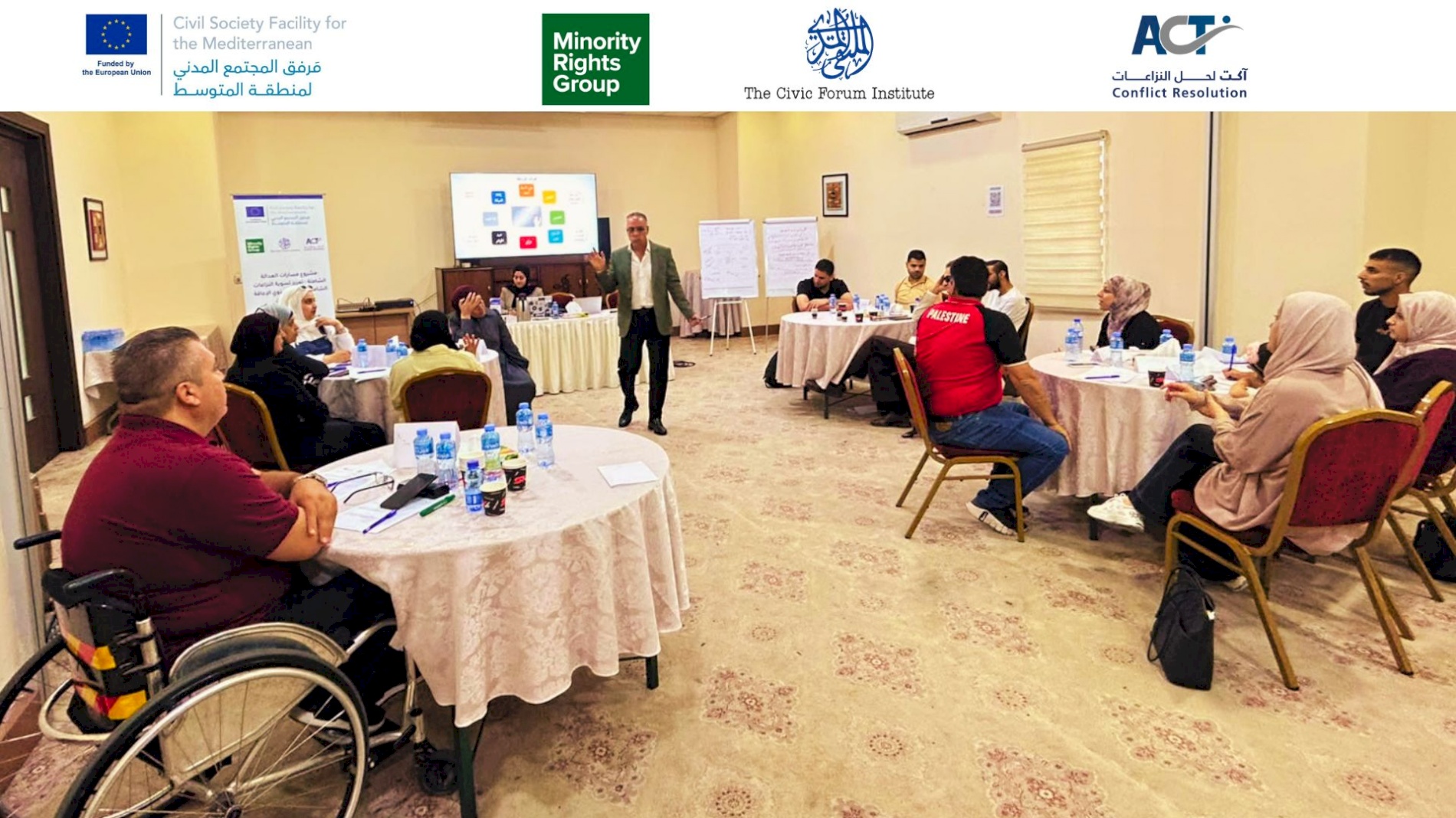
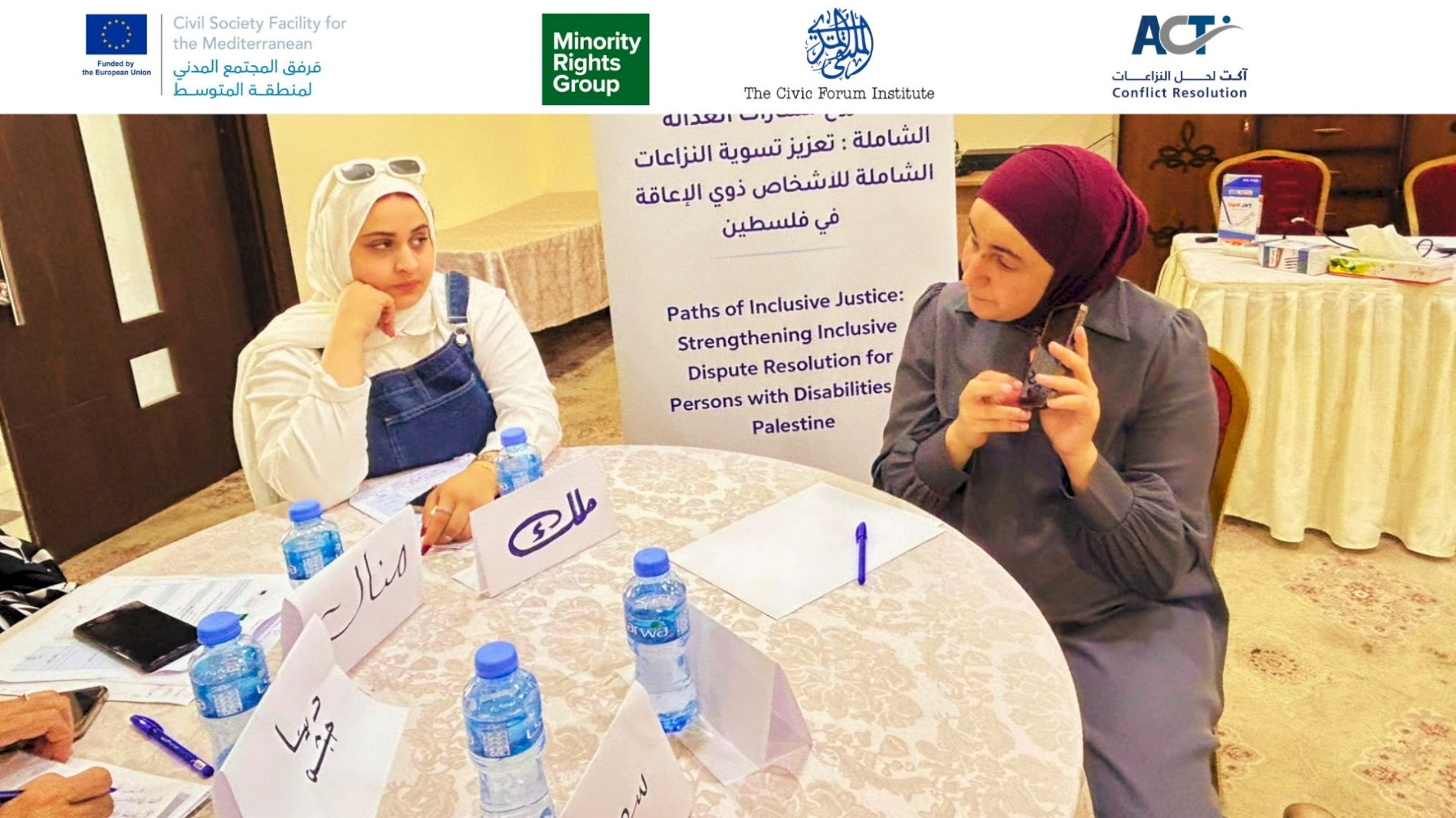
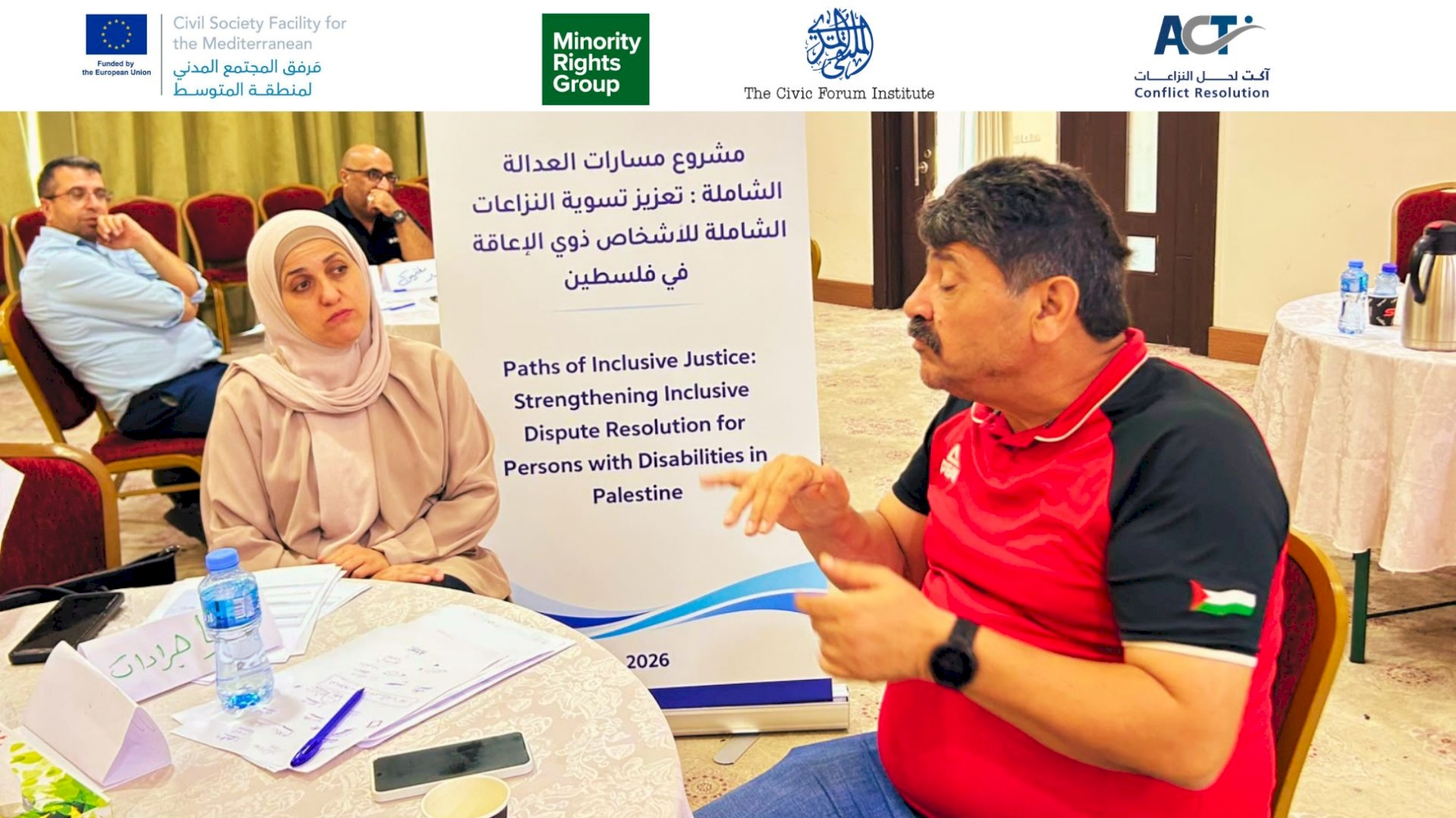
The intensive training program under the project "Inclusive Justice Pathways: Promoting Inclusive Dispute Resolution for Persons with Disabilities in Palestine" concluded in Ramallah. Over several days, the training focused on building participants' capacities to apply mediation practices that are more inclusive and responsive to the rights and needs of persons with disabilities.
Throughout the training, participants progressed from discussing the concepts of inclusive justice and disability-inclusive mediation to exploring the specific barriers that restrict persons with disabilities from accessing and participating in dispute resolution mechanisms—including physical, institutional, communication, and attitudinal barriers, as well as stereotypes.
The training also addressed the critical importance of accessibility, reasonable accommodations, and a rights-based, non-discriminatory approach, ensuring that mediation is both accessible and conducive to meaningful participation for all disputing parties.
Communication as a Pillar of Justice
A key focus of the training was developing effective communication skills for engaging with individuals across various disabilities, emphasizing direct communication and respect for individual autonomy and personal choice.
Participants also examined how to engage appropriately with companions, family members, and support providers, ensuring that assistance remains supportive without replacing the voice of the person with a disability or infringing on their right to make independent decisions.
Ethics and Safeguarding in Mediation
Ethical considerations and protection principles formed a cornerstone of the curriculum. Participants explored the core tenets of confidentiality, information security, free and informed consent, "do no harm," non-discrimination, and managing power imbalances between disputing parties.
Furthermore, participants were trained to identify situations where mediation may not be the appropriate path, understanding when a case warrants referral to grievance procedures, protection services, or other specialized support mechanisms.
From Knowledge to Practice
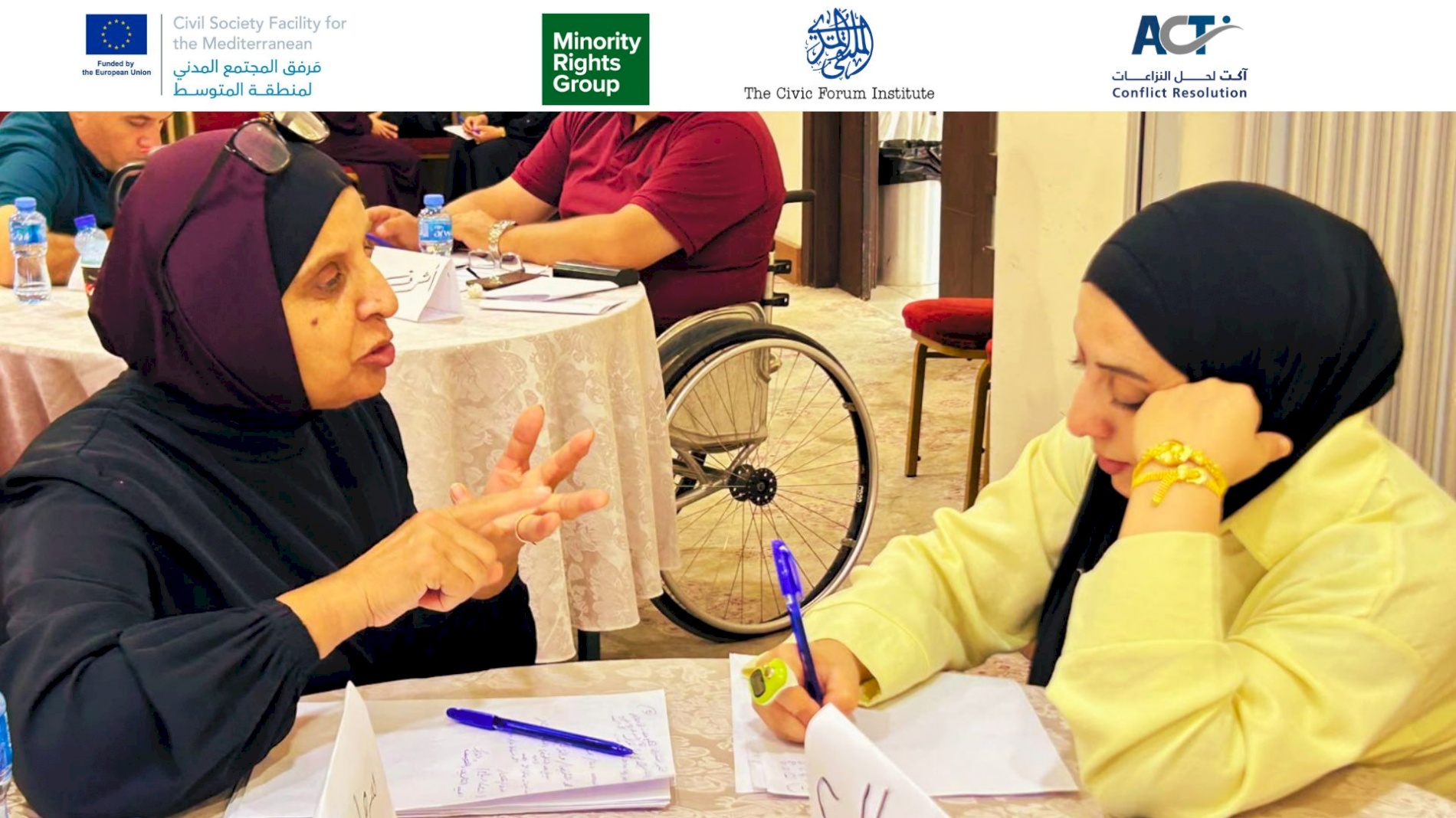
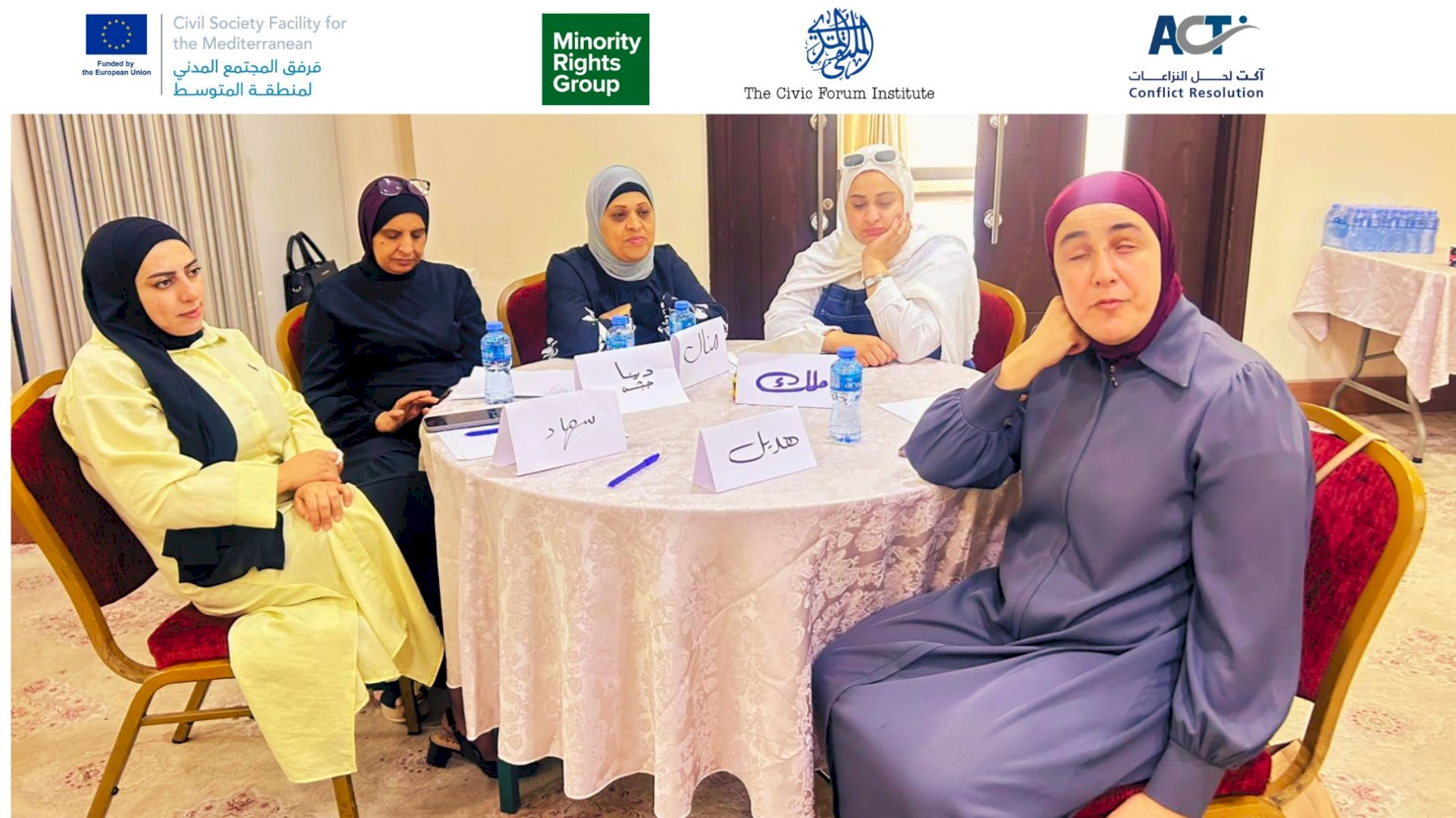
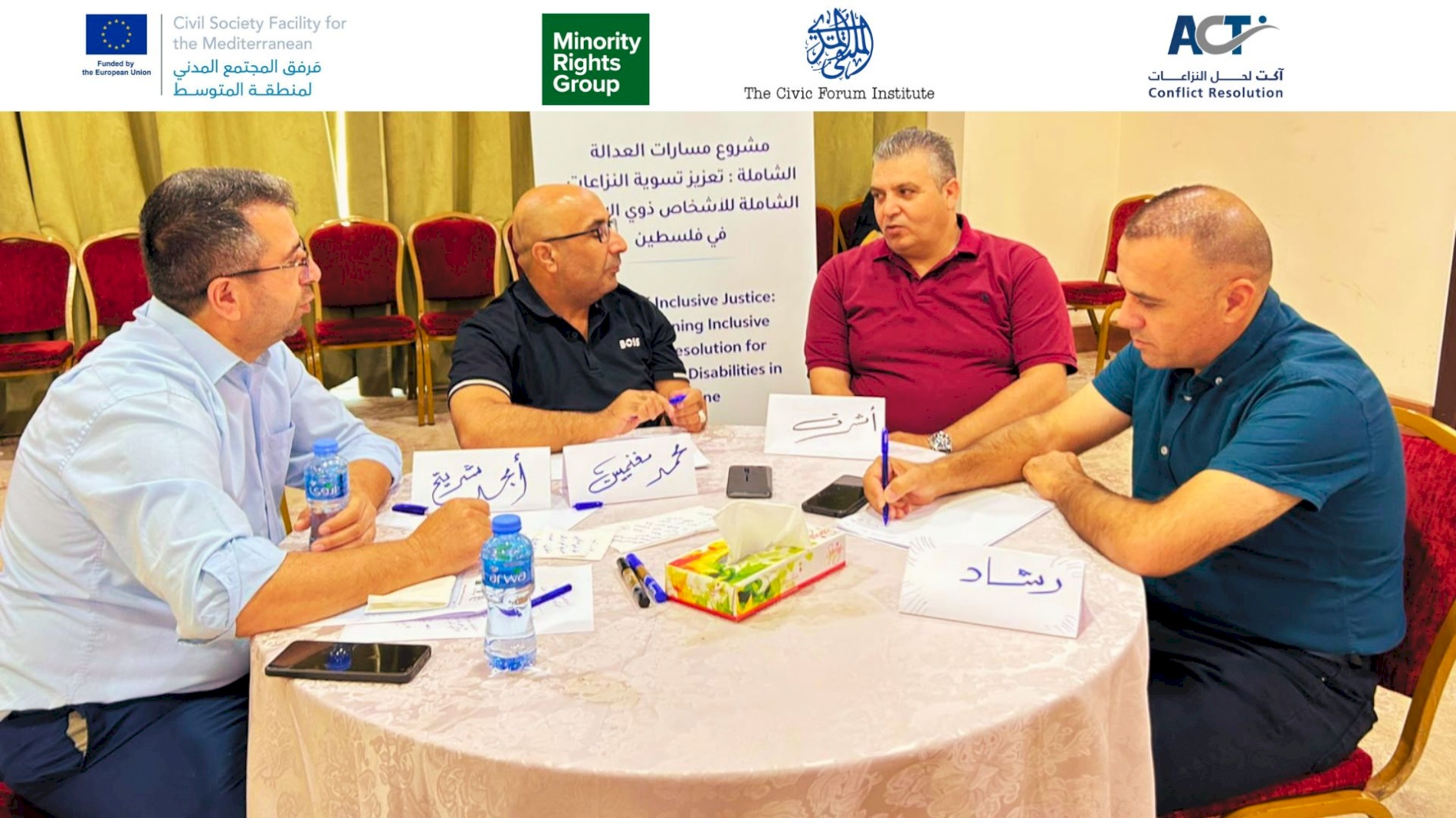
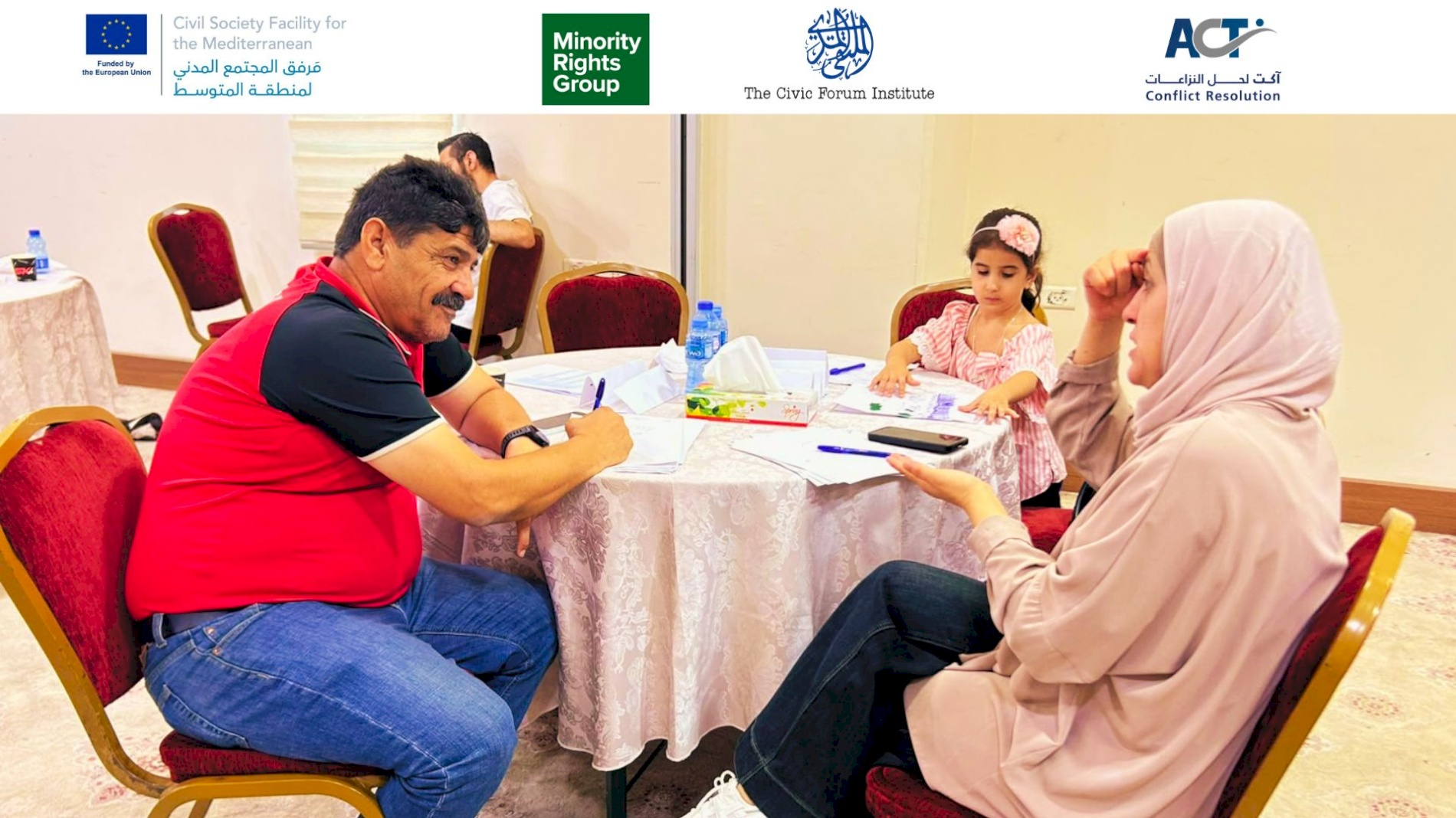
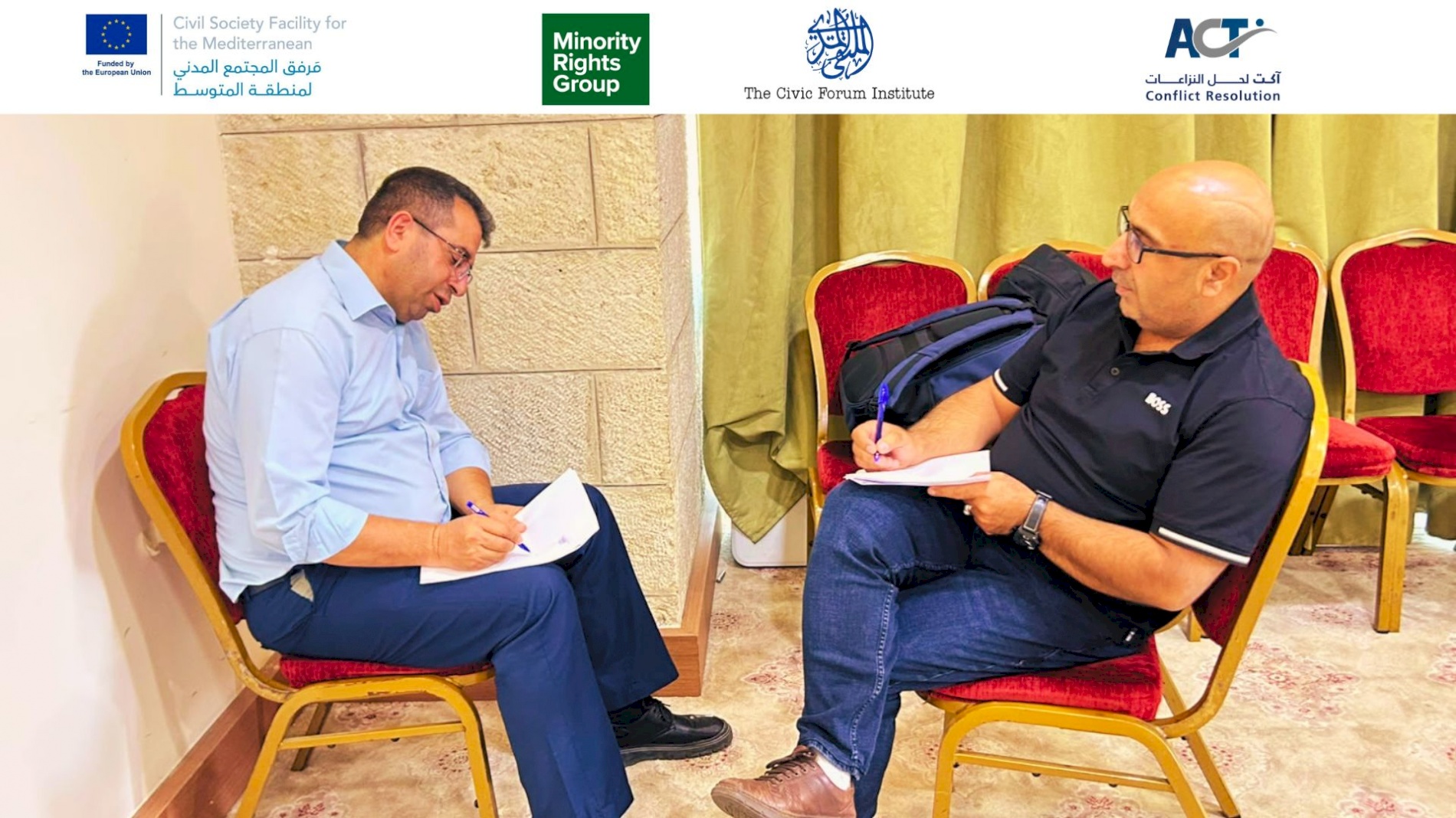
The program extended beyond theoretical concepts to include practical exercises and simulated mediation sessions involving persons with disabilities as parties to a dispute.
Through these hands-on simulations, participants practiced initial case intake, assessing mediation suitability, facilitating dialogue, ensuring active participation, and addressing communication and accessibility challenges, followed by debriefing sessions to evaluate performance and refine their practice.
Toward Mediation That Centers Participation in Justice
The conclusion of this training marks a vital step toward advancing dispute resolution practices that are more equitable and responsive to the rights of persons with disabilities. This effort is grounded in the premise that inclusive justice is not achieved merely by providing an accessible venue or mechanism, but requires guaranteeing meaningful participation, self-determination, and the right of every individual to be heard in decisions affecting their lives.
The "Inclusive Justice Pathways" project continues its work to foster a more inclusive dispute resolution ecosystem in Palestine through capacity building, knowledge sharing, and the promotion of practices that place the rights, dignity, and active participation of persons with disabilities at the heart of justice pathways.
Inclusive mediation does not merely open the door to justice for all; it ensures that everyone has a place at the table, a voice that is heard, and genuine agency in decision-making.