ACT Organization organizes a dialogue seminar on Arab–Jewish joint parties, the Israeli elections, and prospects for political solutions
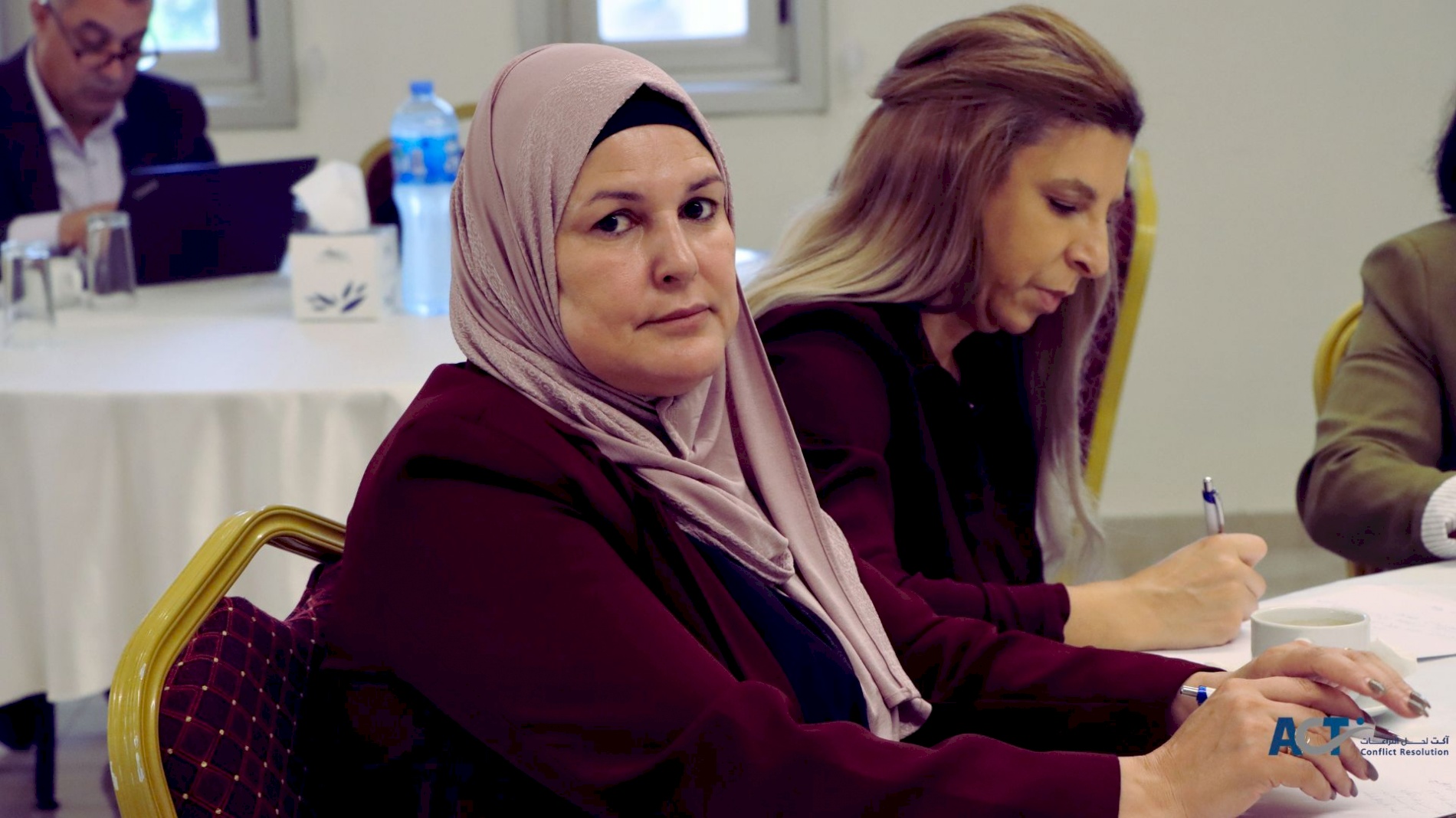
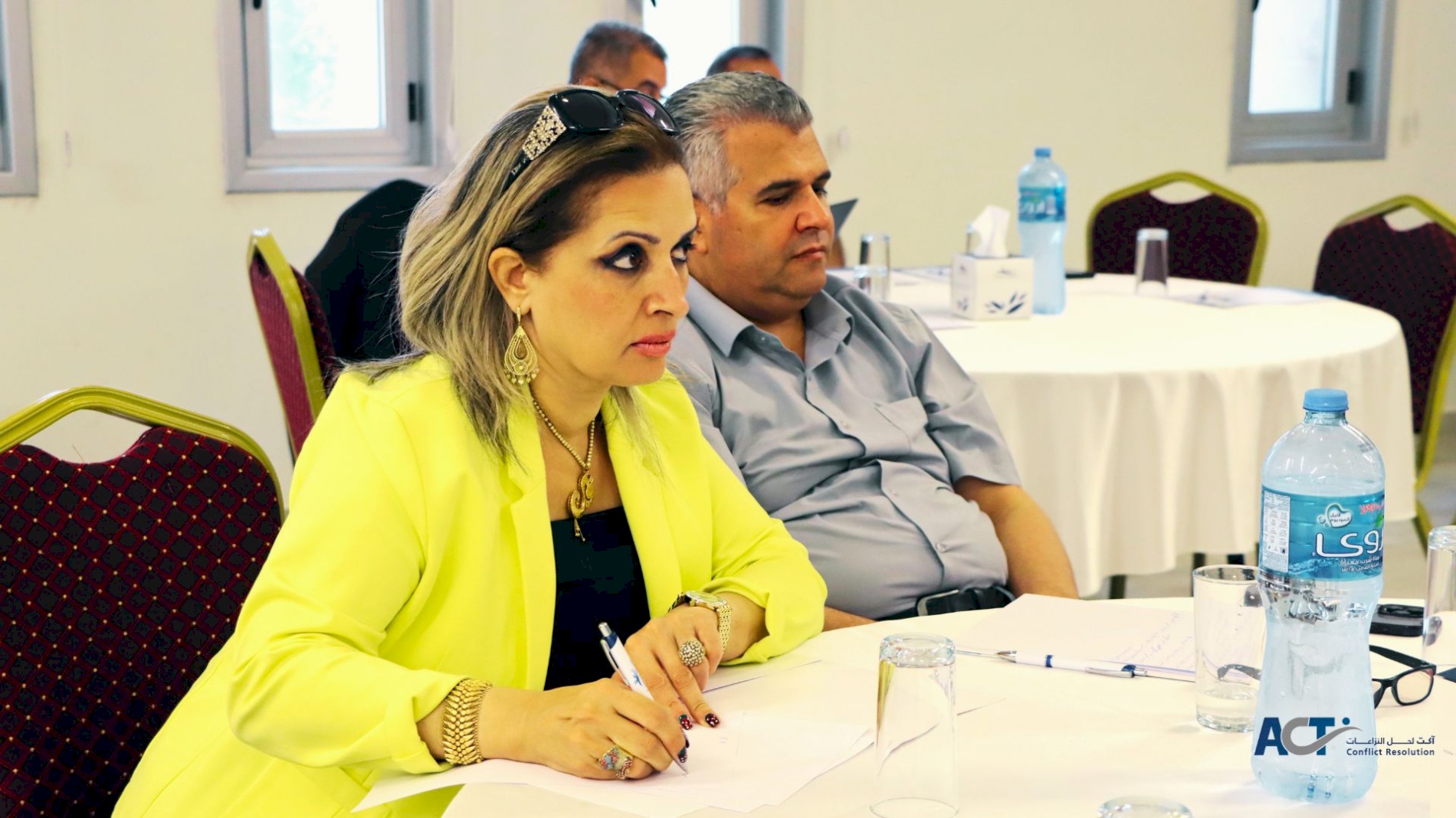
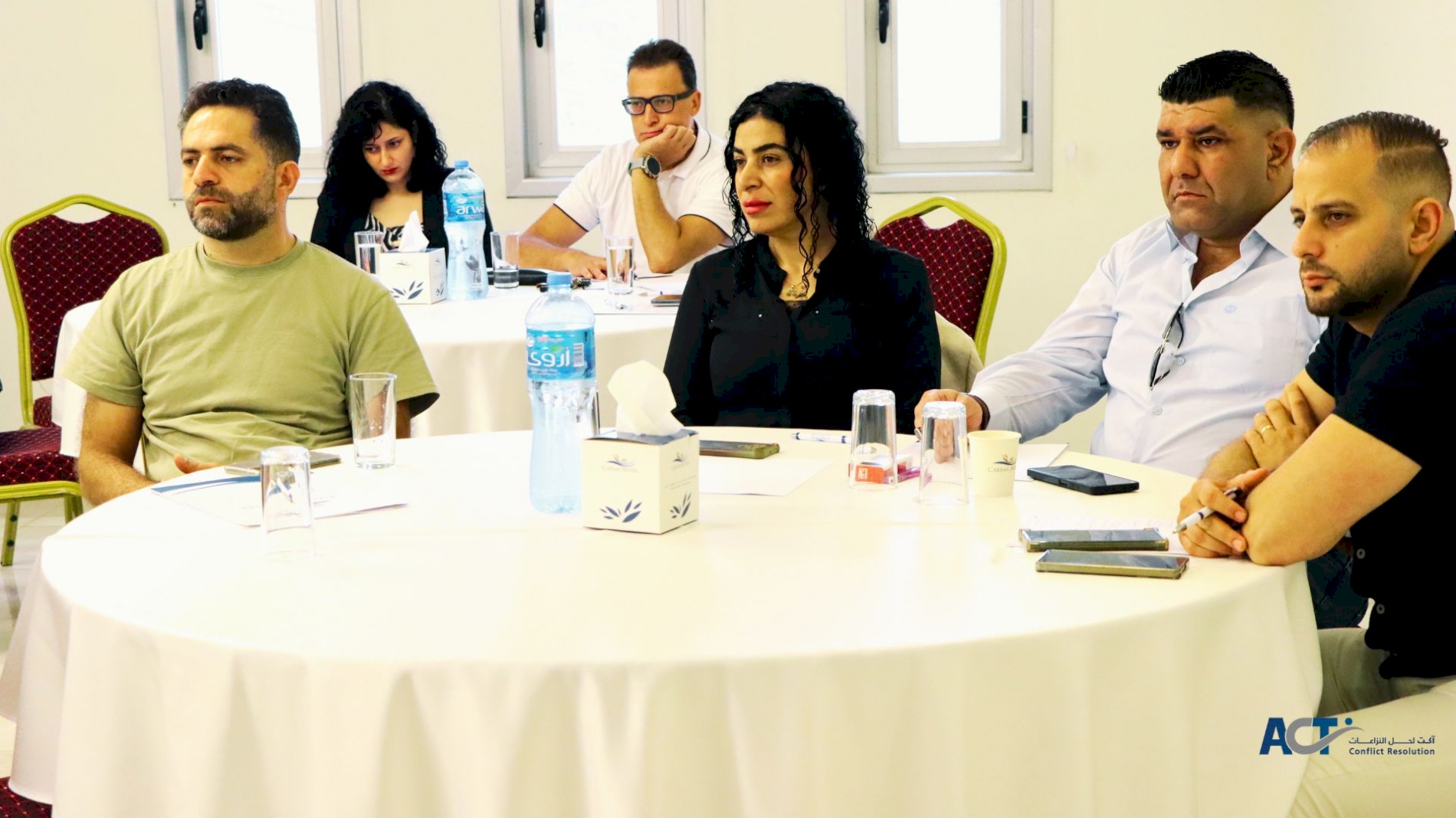
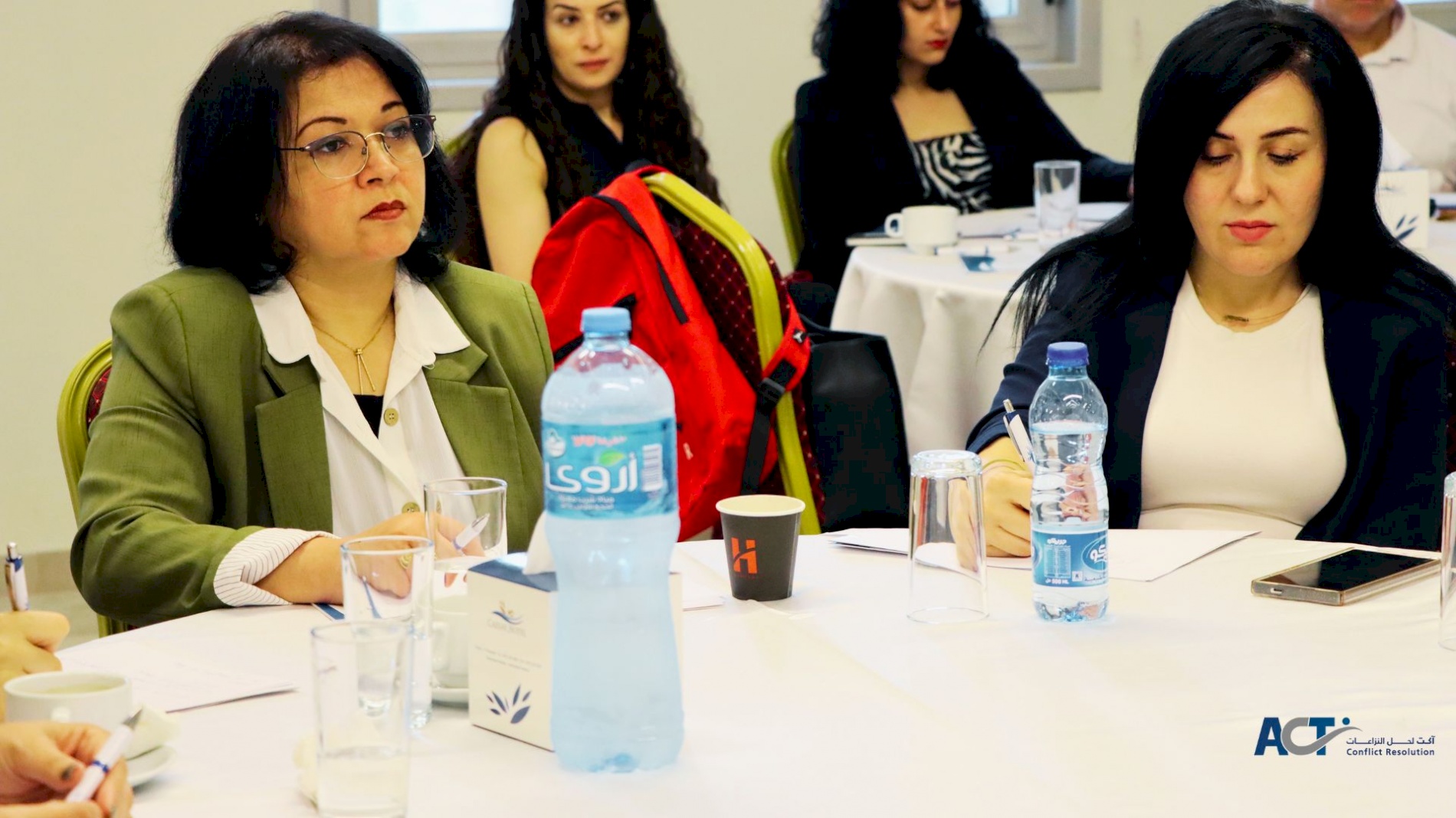
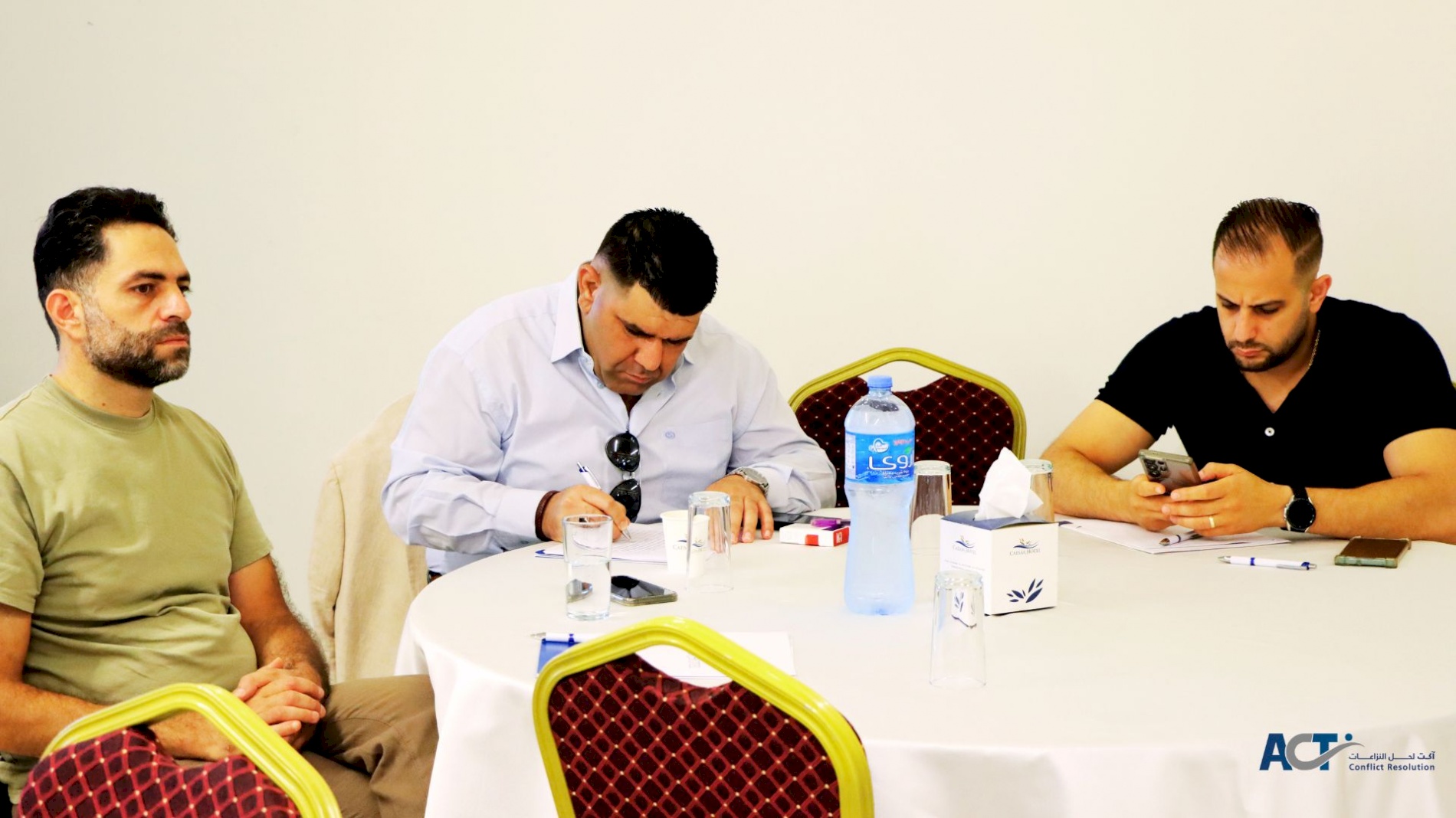
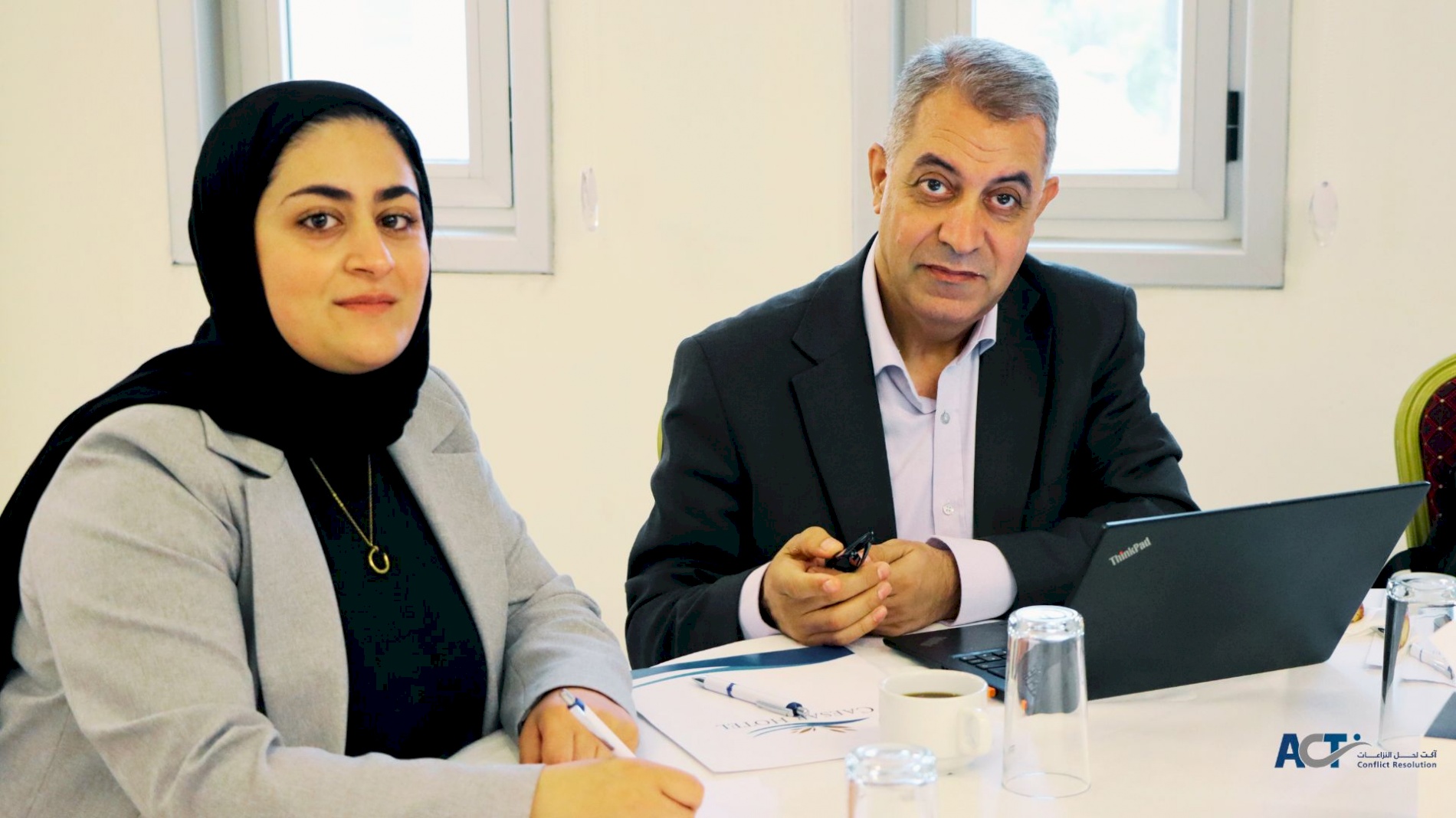
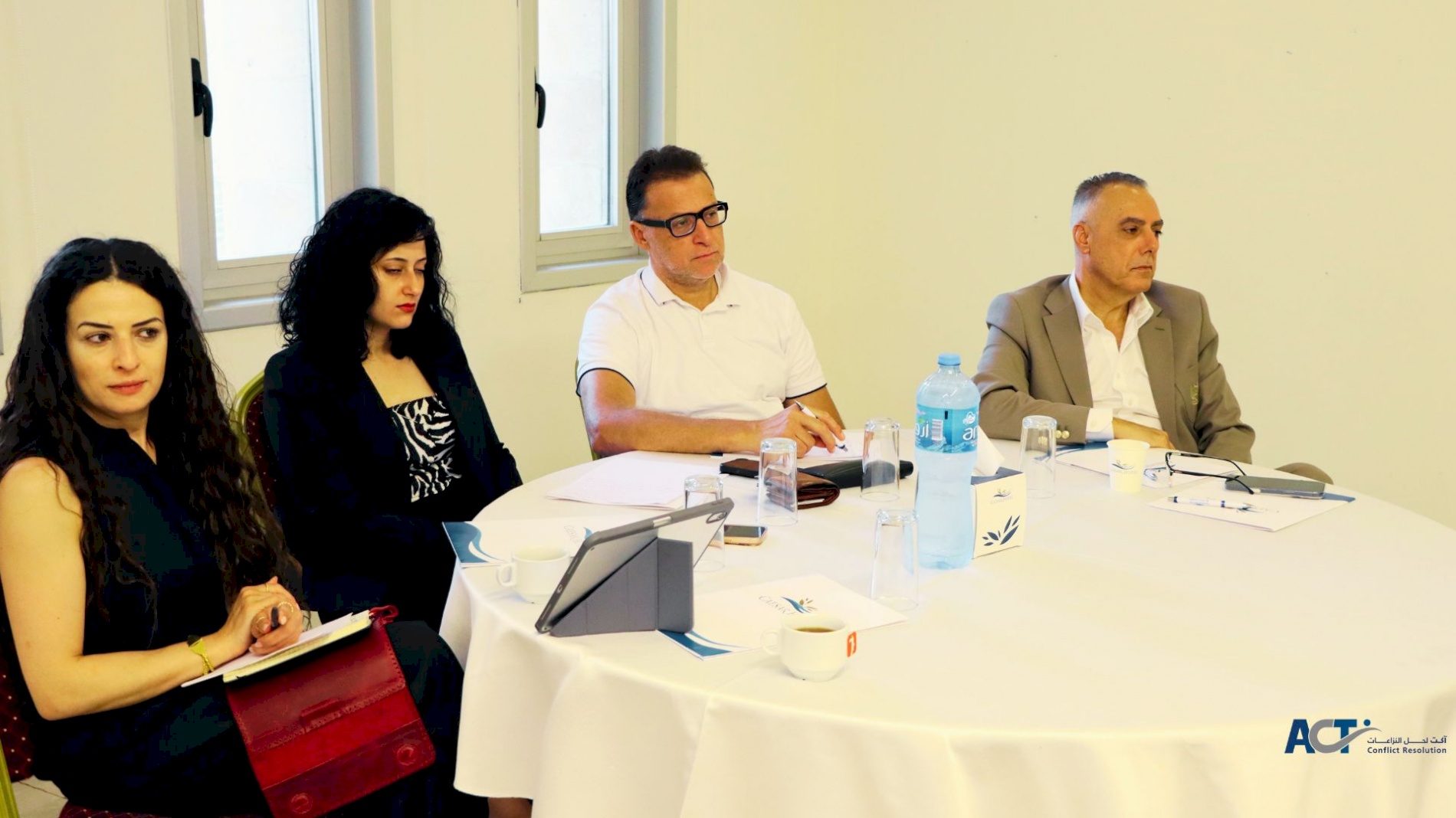
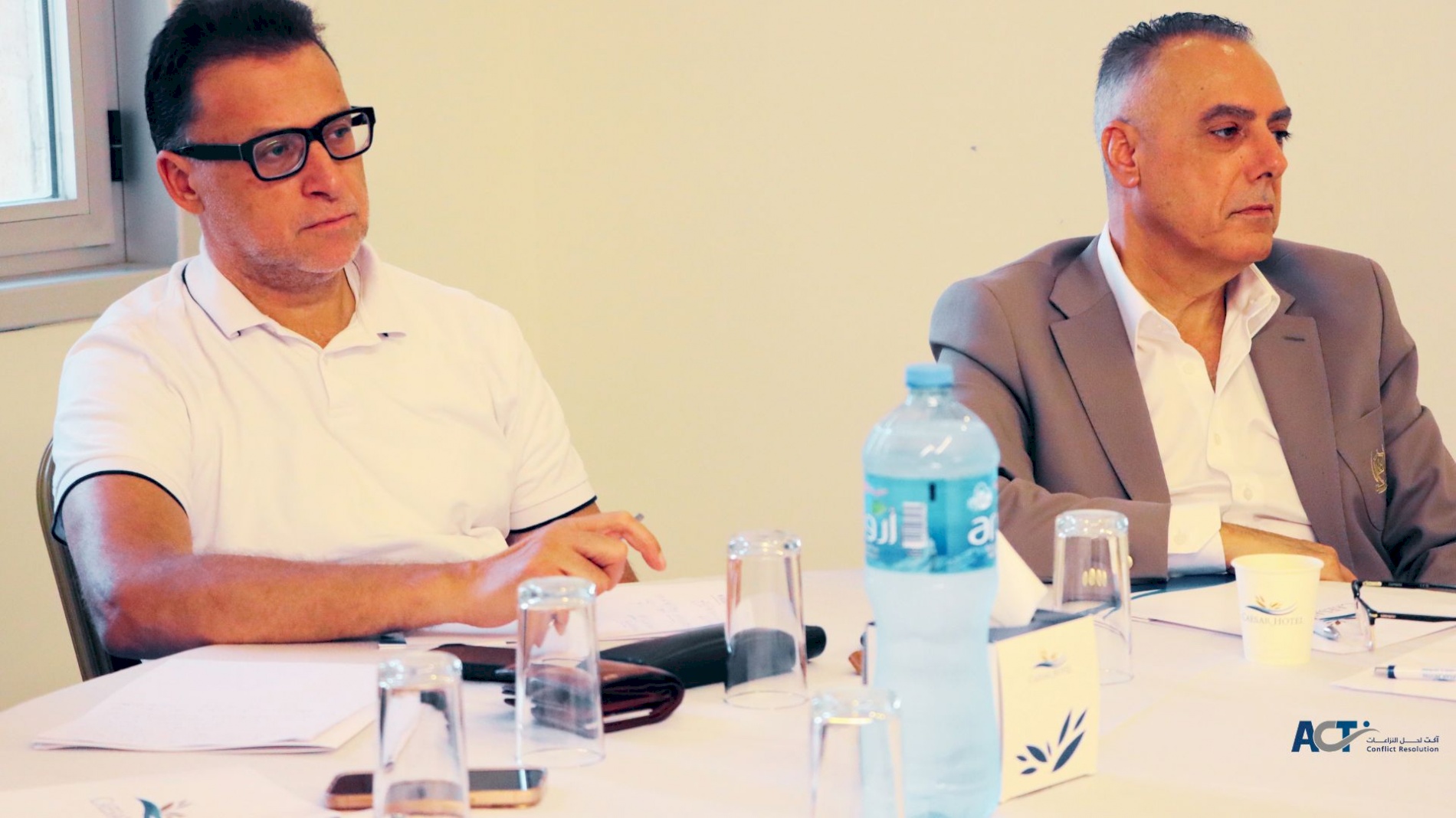
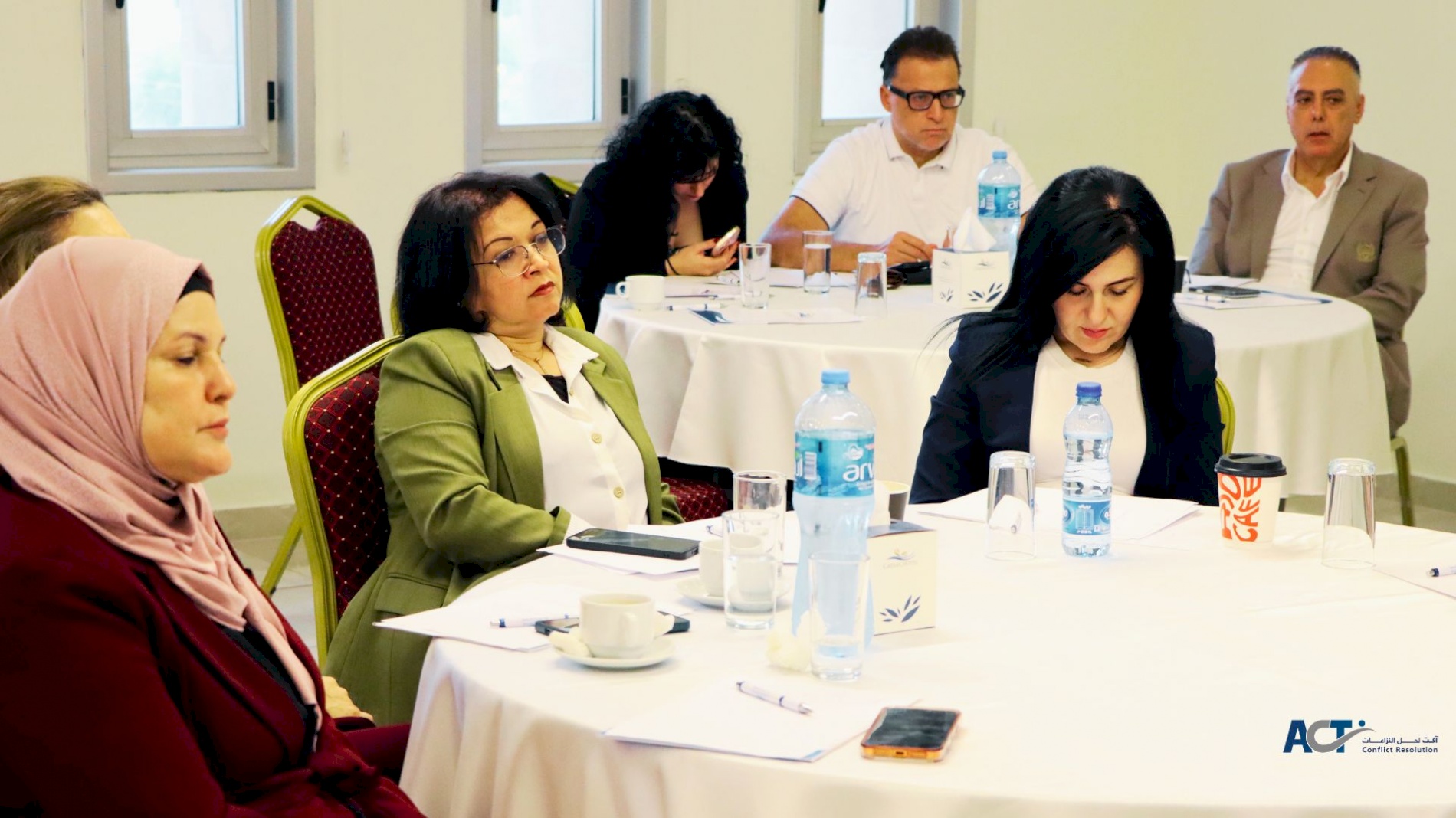
ACT Conflict Resolution Organization organized a dialogue seminar entitled ‘Arab–Jewish Joint Parties, the Israeli Elections, and Prospects for Political Solutions,’ with the participation of more than 15 researchers and individuals interested in political and societal affairs. The seminar was part of the organization’s efforts to provide spaces for dialogue and discussion on current political issues, their societal implications, and prospects for political solutions.
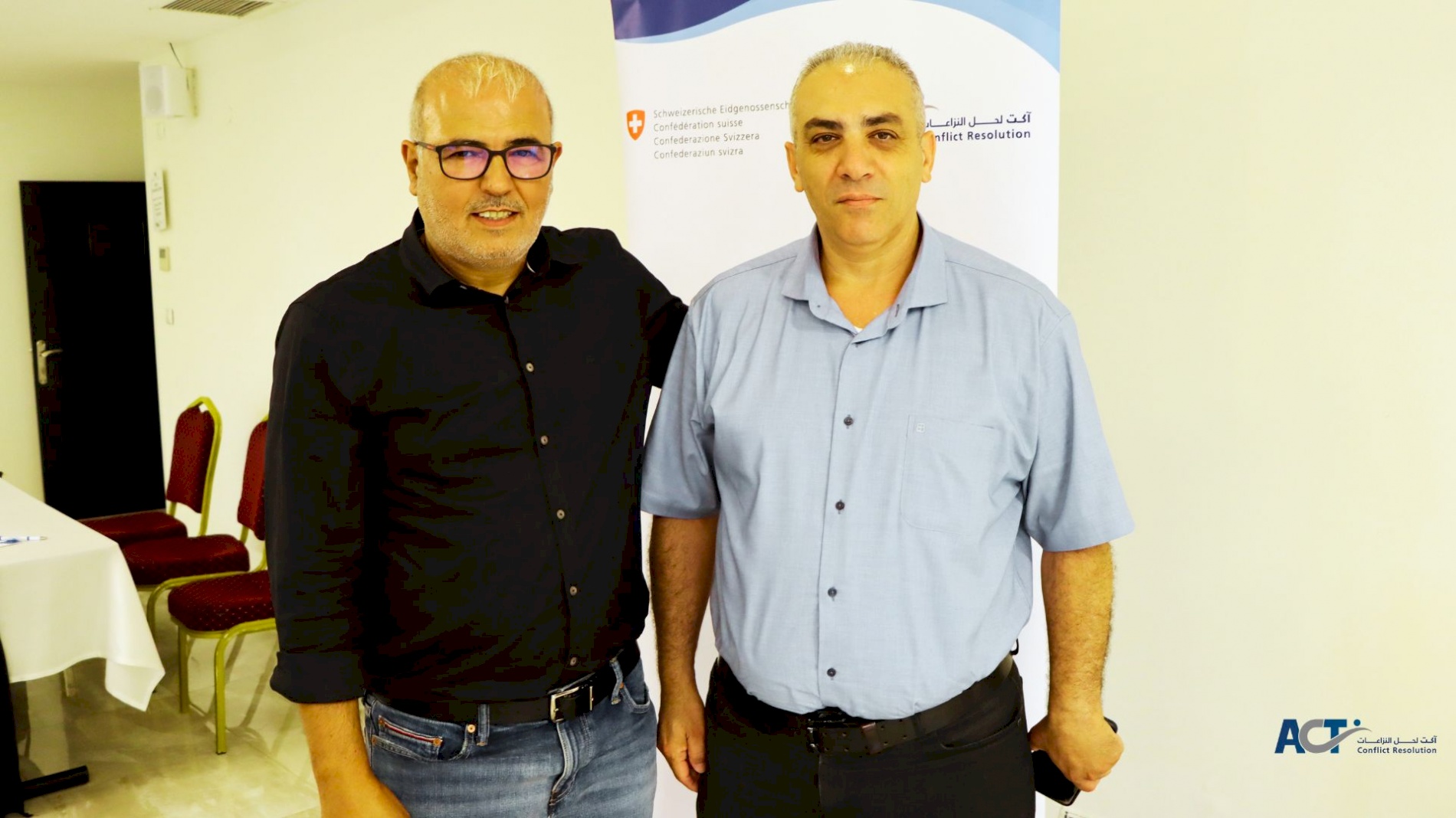
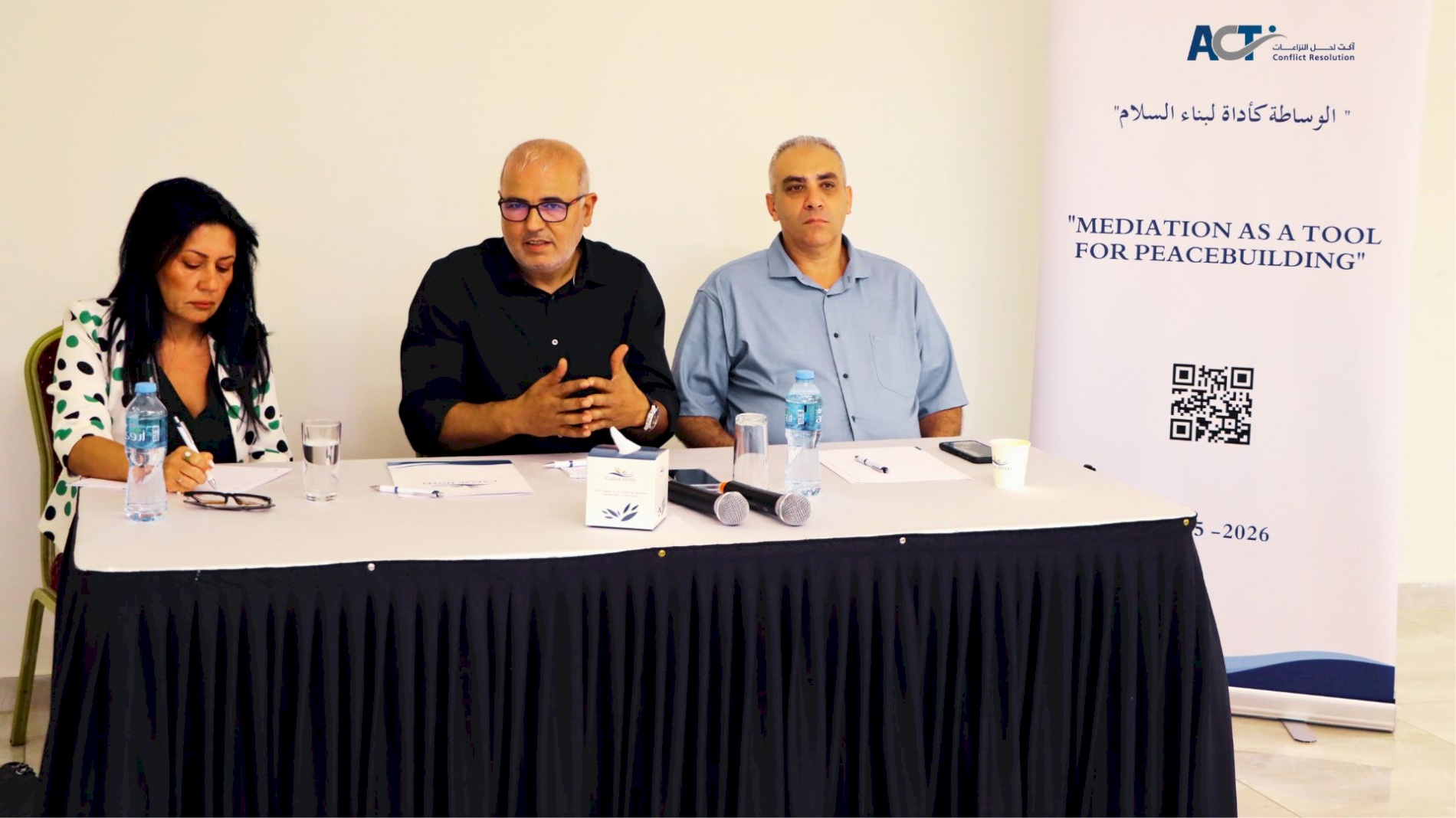
The seminar featured contributions from lawyer Mohammad Yahya, Secretary-General of the All Its Citizens Party, and Dr. Rola Al-Hardal, Director General of the Bilad Al-Jami’a Foundation, with the discussion moderated by Ismat Mansour. The interventions addressed several issues related to current political transformations, the future of Arab political activity, and the nature and prospects of Arab–Jewish partnerships.
The seminar came amid rapid political changes and the upcoming Israeli general elections scheduled for October 2026, accompanied by debates on the future of Arab parties, the possibility of reconstituting the Joint List, and the role of Arab–Jewish alliances in the forthcoming political landscape.
Participants discussed key themes, including the reality of Arab parties, opportunities for reconstituting the Joint List, the nature of Arab–Jewish partnerships, and the extent to which these alliances might influence elections and political decision-making. The dialogue also touched on challenges facing joint political work, such as differences in programs and priorities, versus the opportunities offered by unifying political efforts to strengthen representation, participation, and influence.
Speakers emphasized the importance of learning from past electoral experiences to assess and develop opportunities for joint political action. They highlighted that dialogue provides an essential space for understanding differences and building consensus, and that developing sustainable forms of political partnership requires reinforcing values of equality, rights, and respect for pluralism, alongside expanding participation to include youth, researchers, and civil society institutions.
The discussion concluded with the importance of continuing objective dialogue, enhancing knowledge and research, and creating spaces that bring together diverse perspectives. This contributes to a more comprehensive reading of political transformations and opens the door to exploring new possibilities and pathways for political and peaceful solutions.
This seminar is part of ACT’s ongoing efforts to promote a culture of dialogue, pluralism, and civil peace, while opening spaces for discussion on current political and societal issues, encouraging knowledge-based debate, and seeking peaceful alternatives and pathways for conflict resolution.