ACT launches a comparative analytical study on arbitration in the context of armed conflicts and disasters: The Gaza Strip as a case study
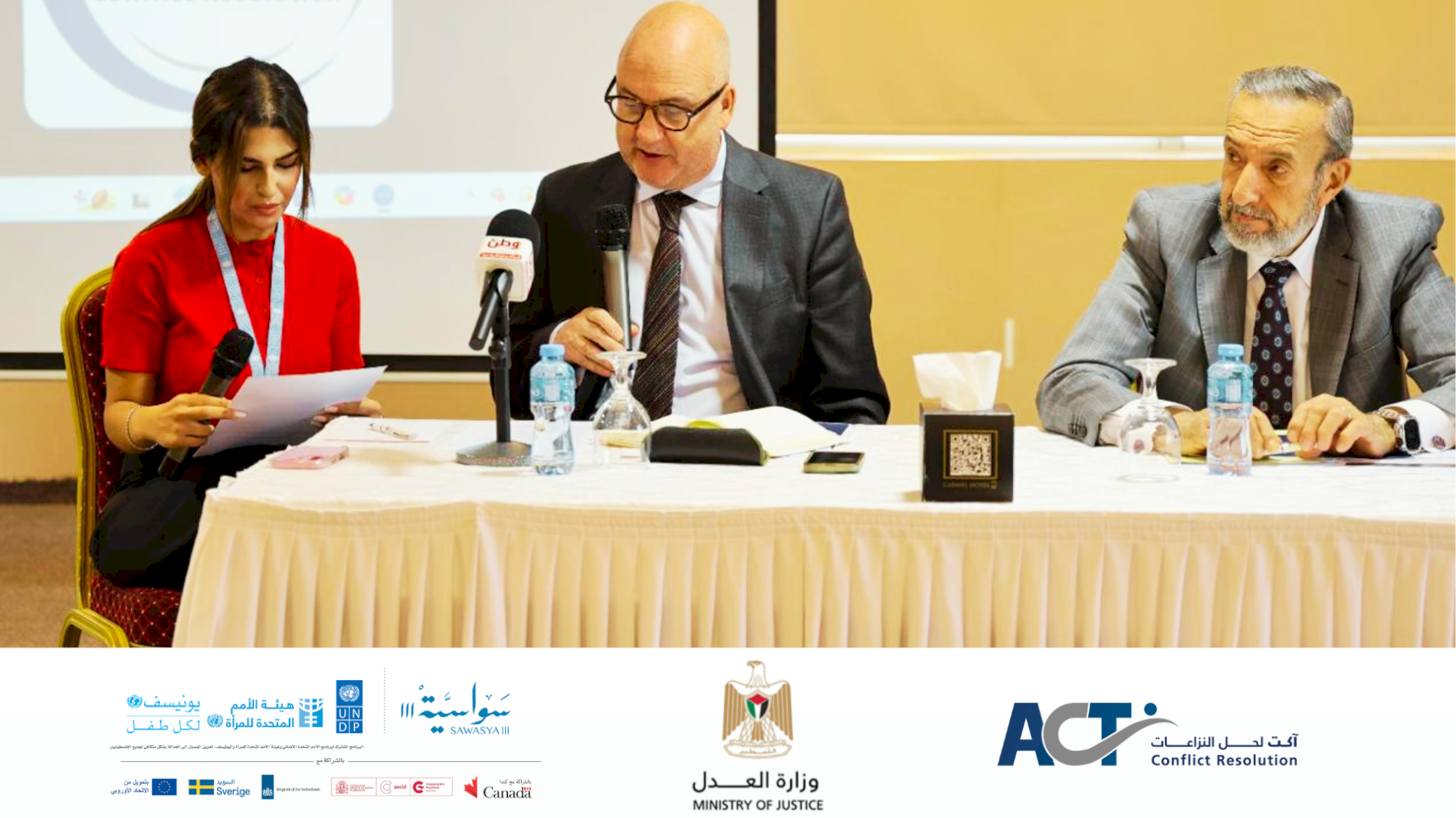
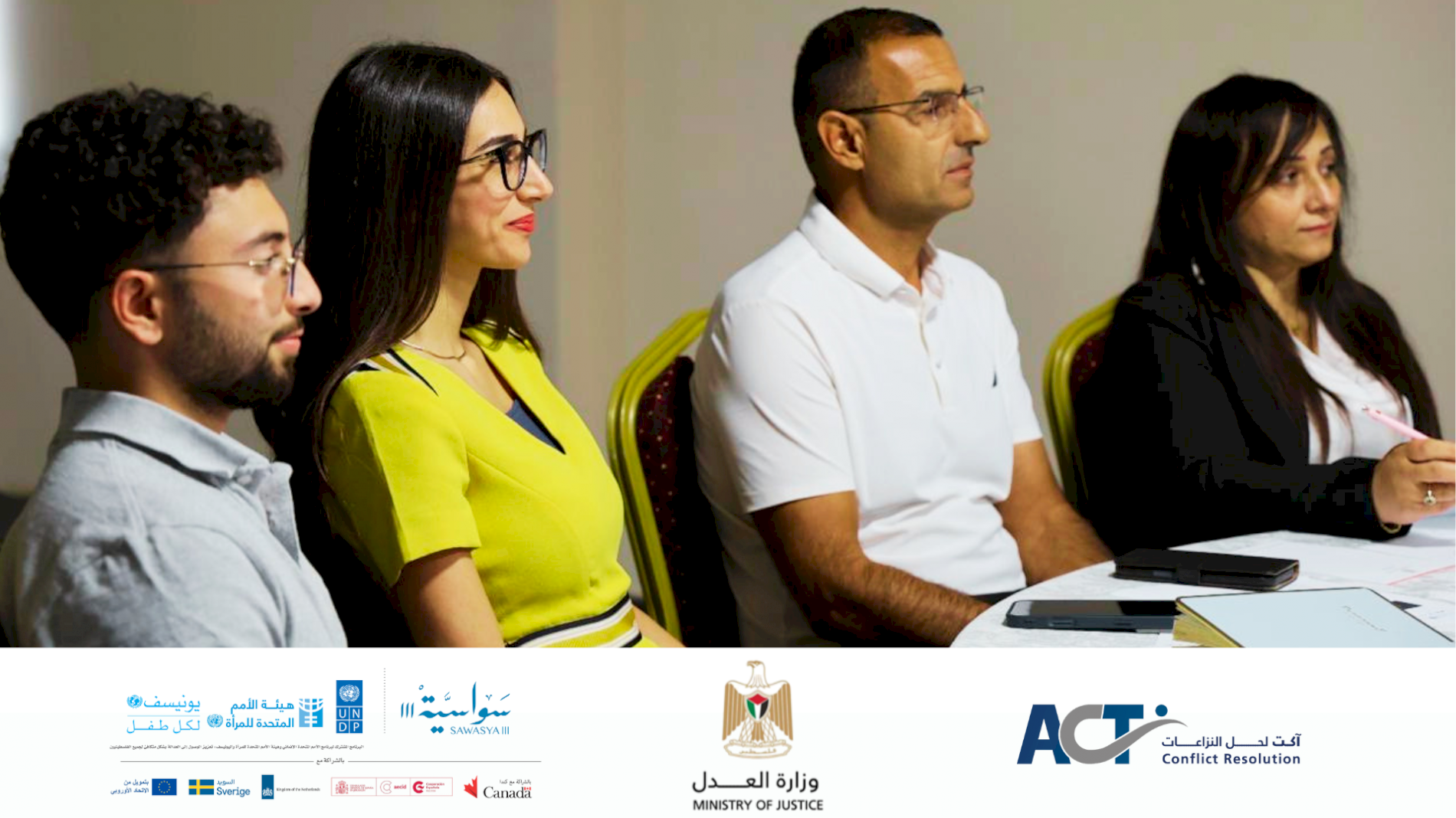
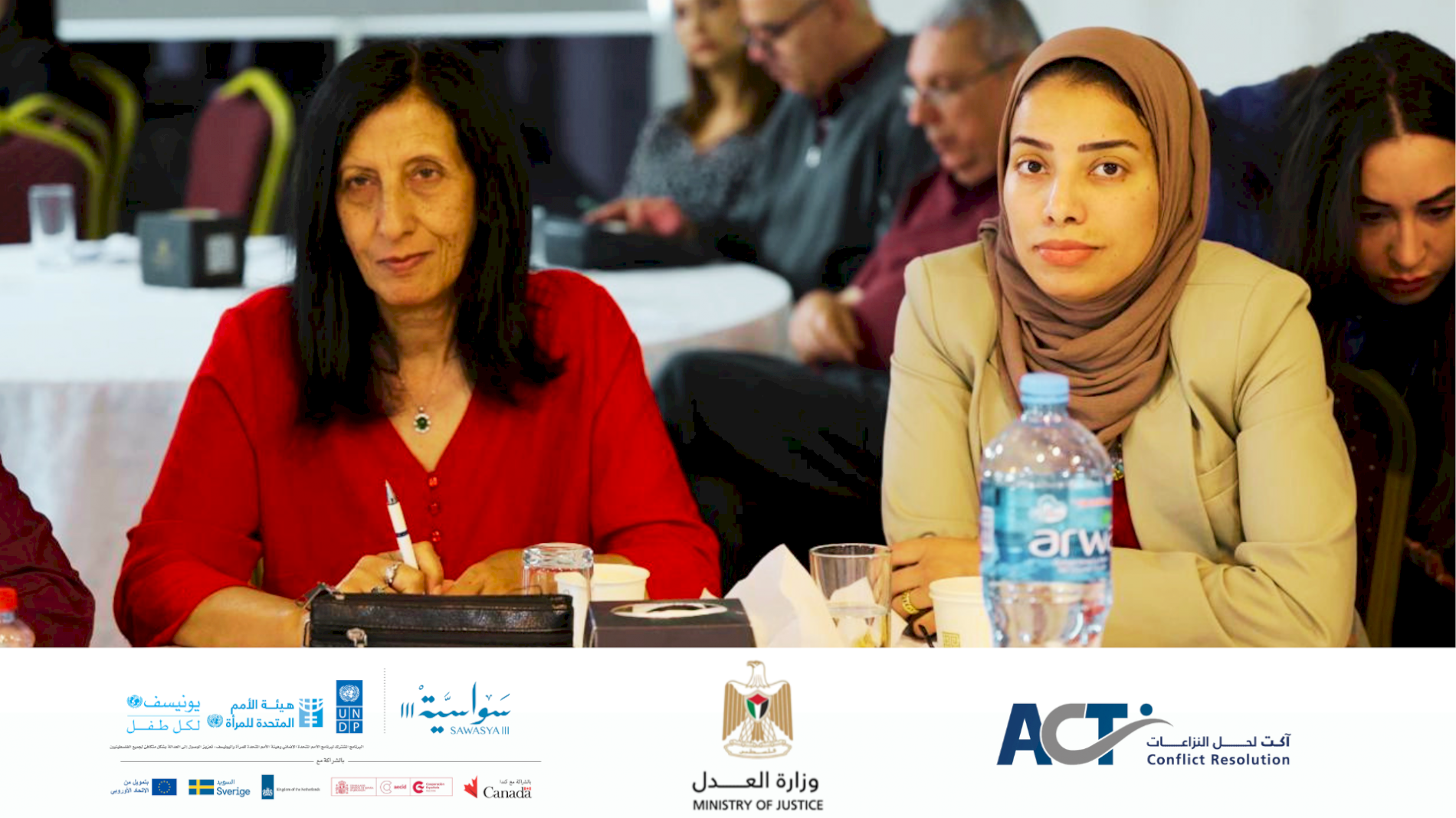
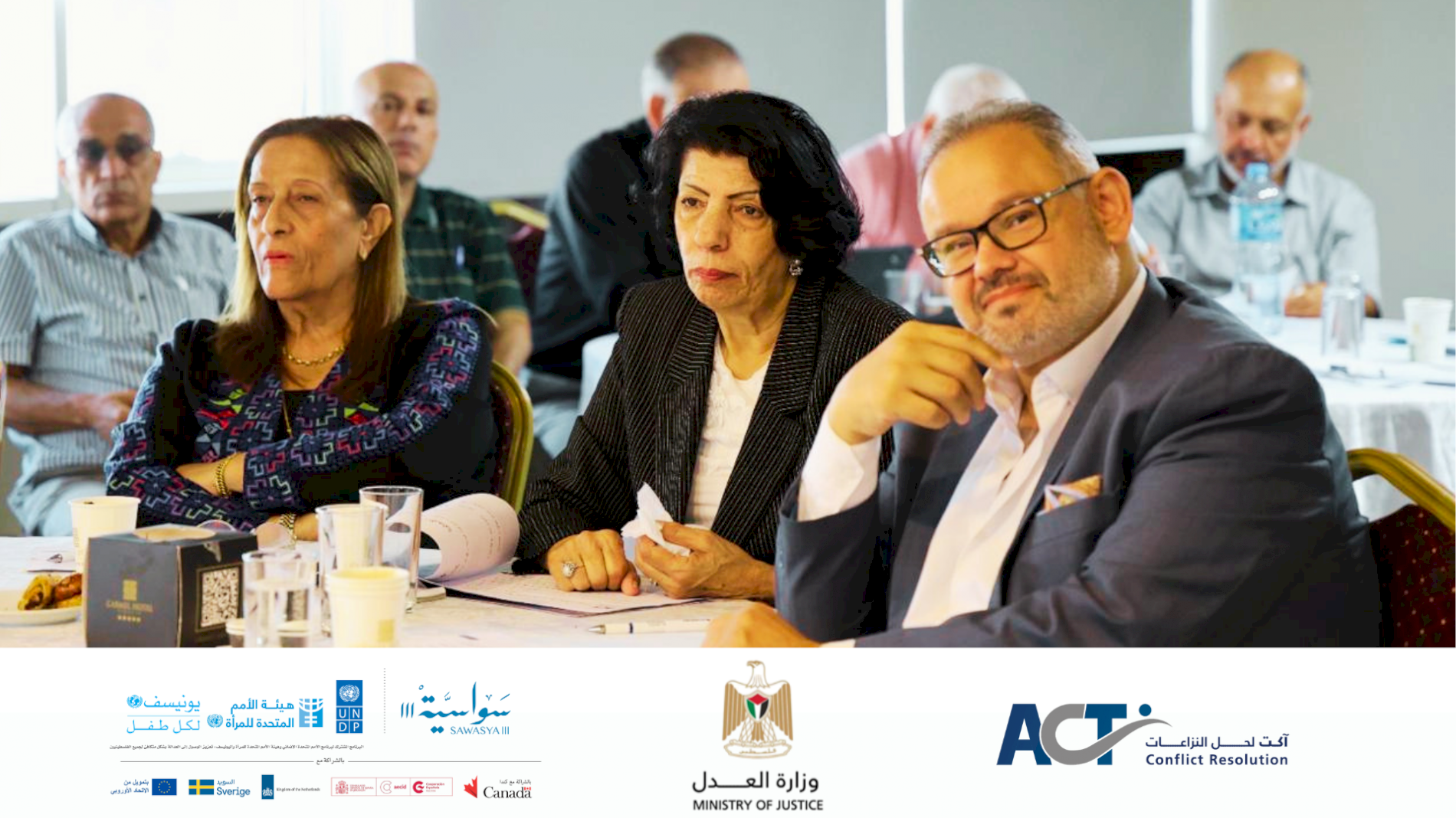
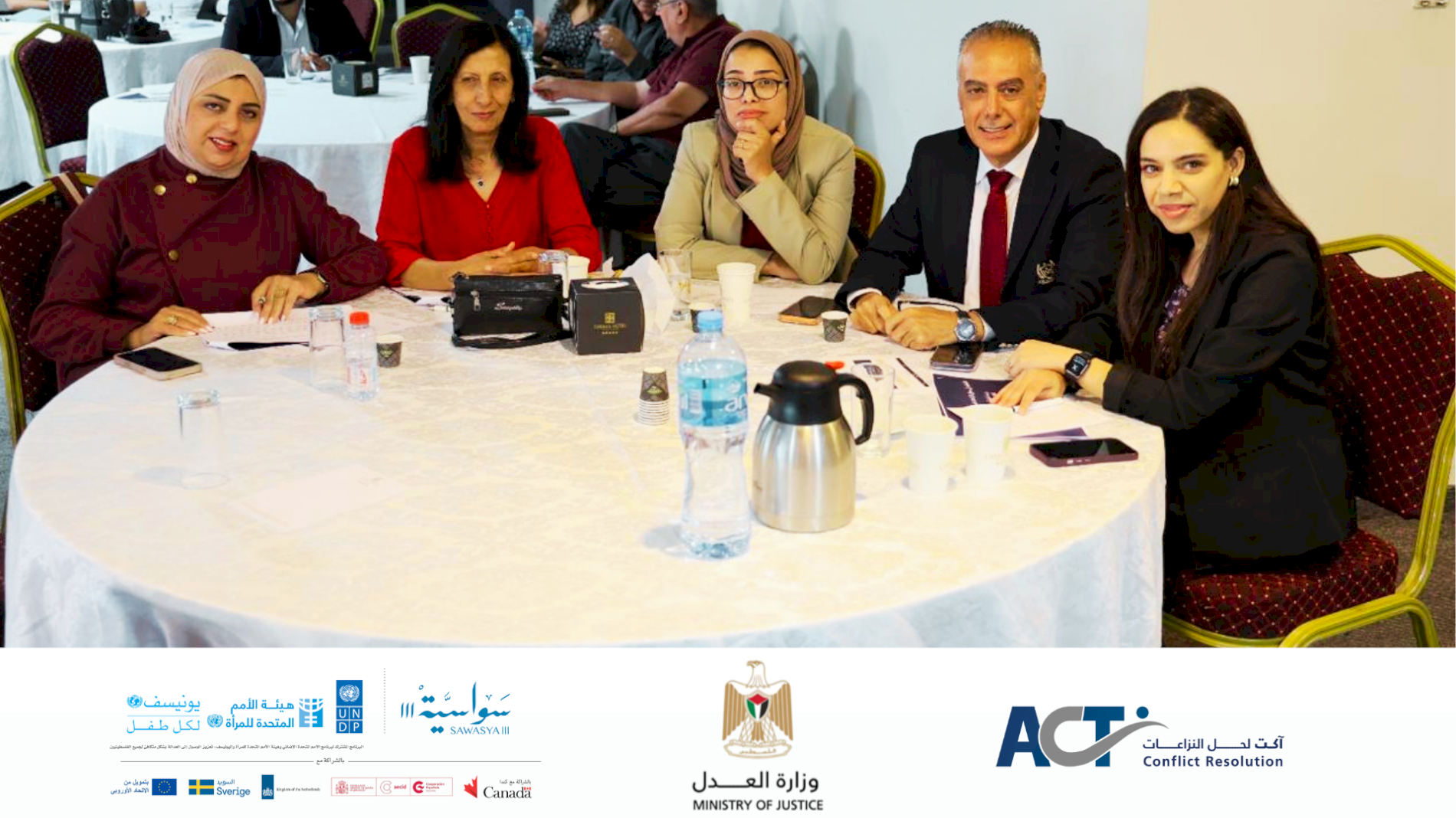
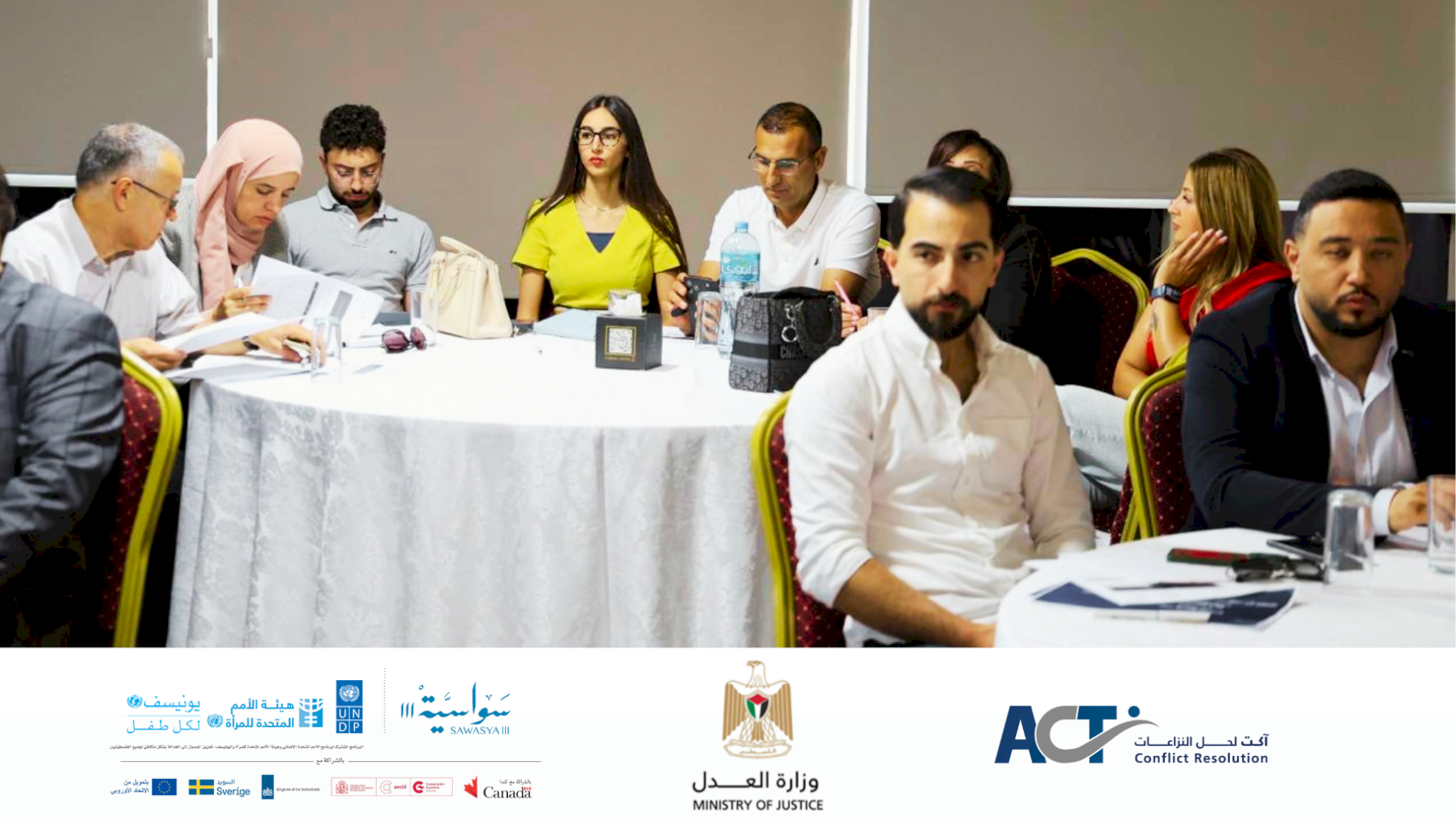
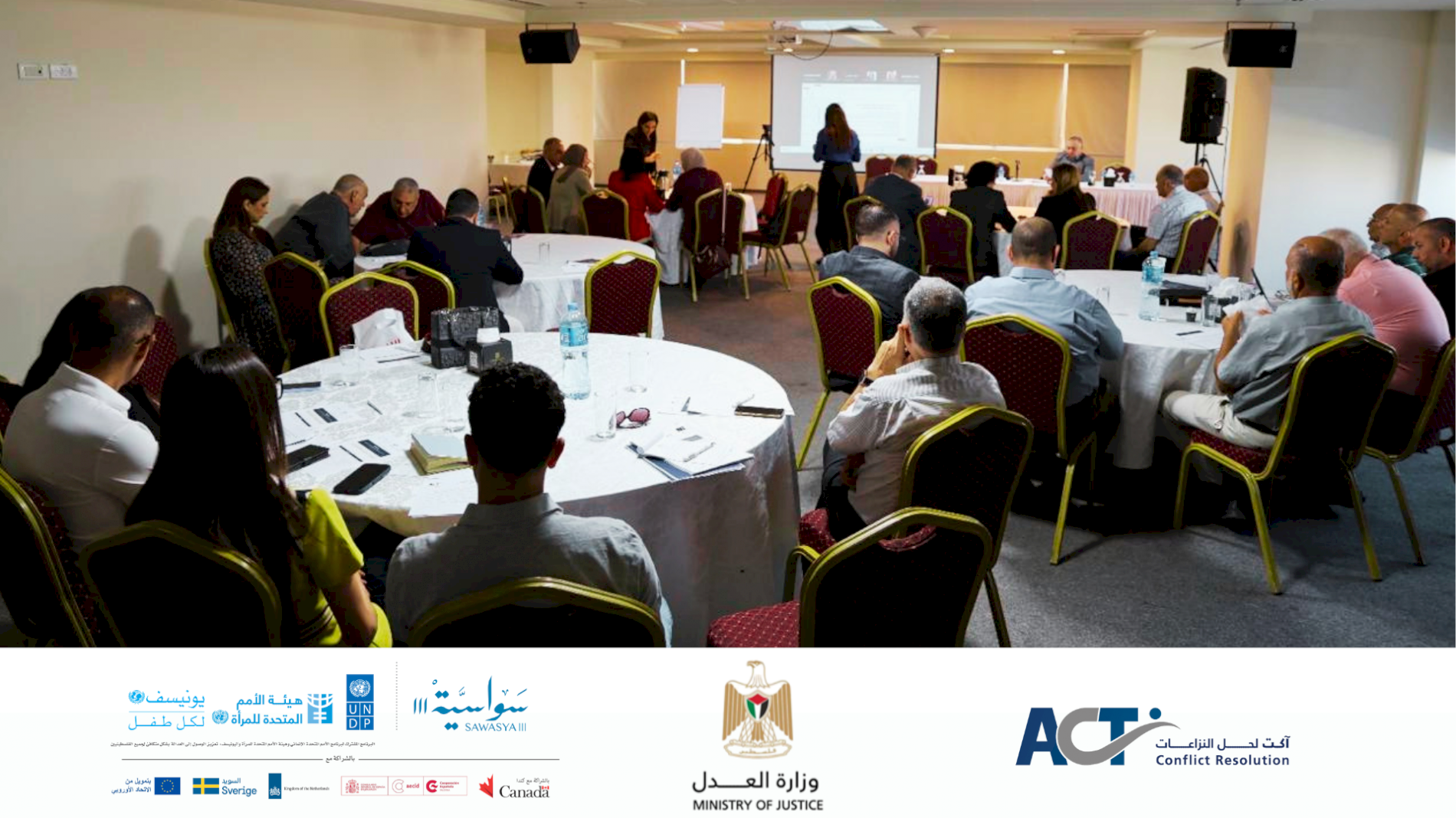
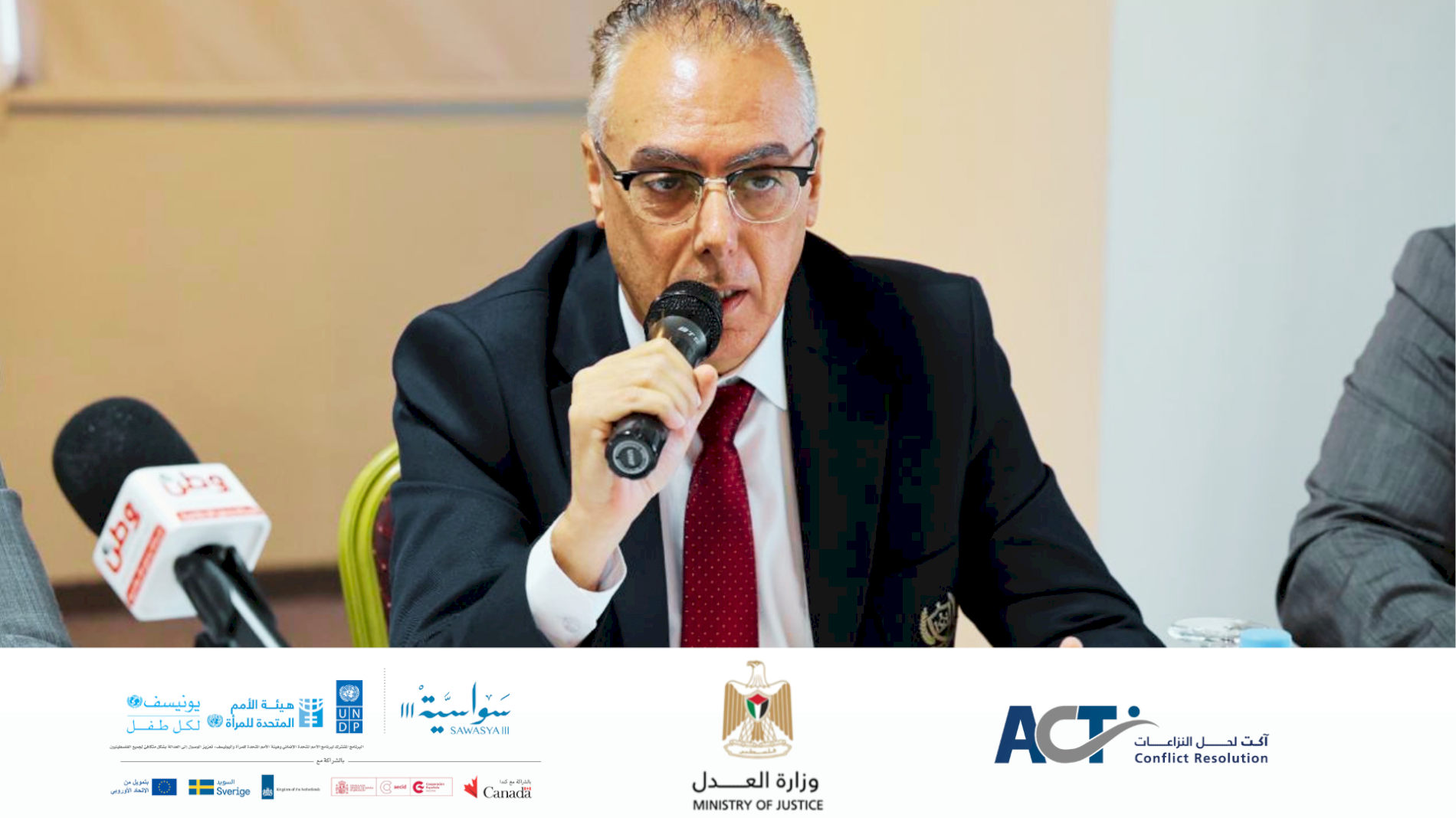
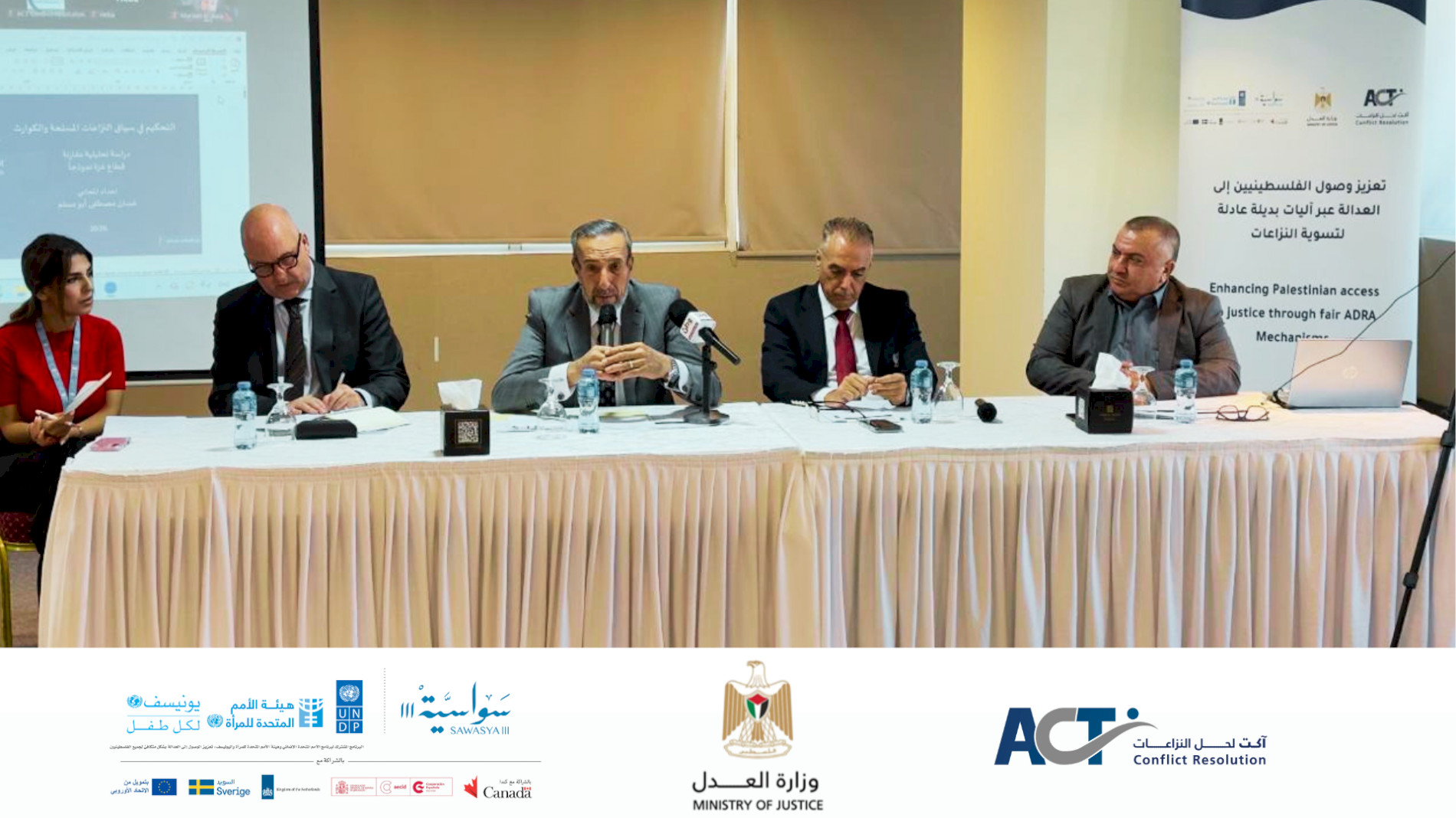
Ramallah – August 13, 2026 – The ACT Conflict Resolution Organization launched today, Thursday, a comparative analytical study entitled “Arbitration in the Context of Armed Conflicts and Disasters – The Gaza Strip as a Case Study”. The launch event gathered around 60 participants both in person and via Zoom, including a distinguished group of specialists, experts, and stakeholders in the fields of law, arbitration, and dispute resolution.
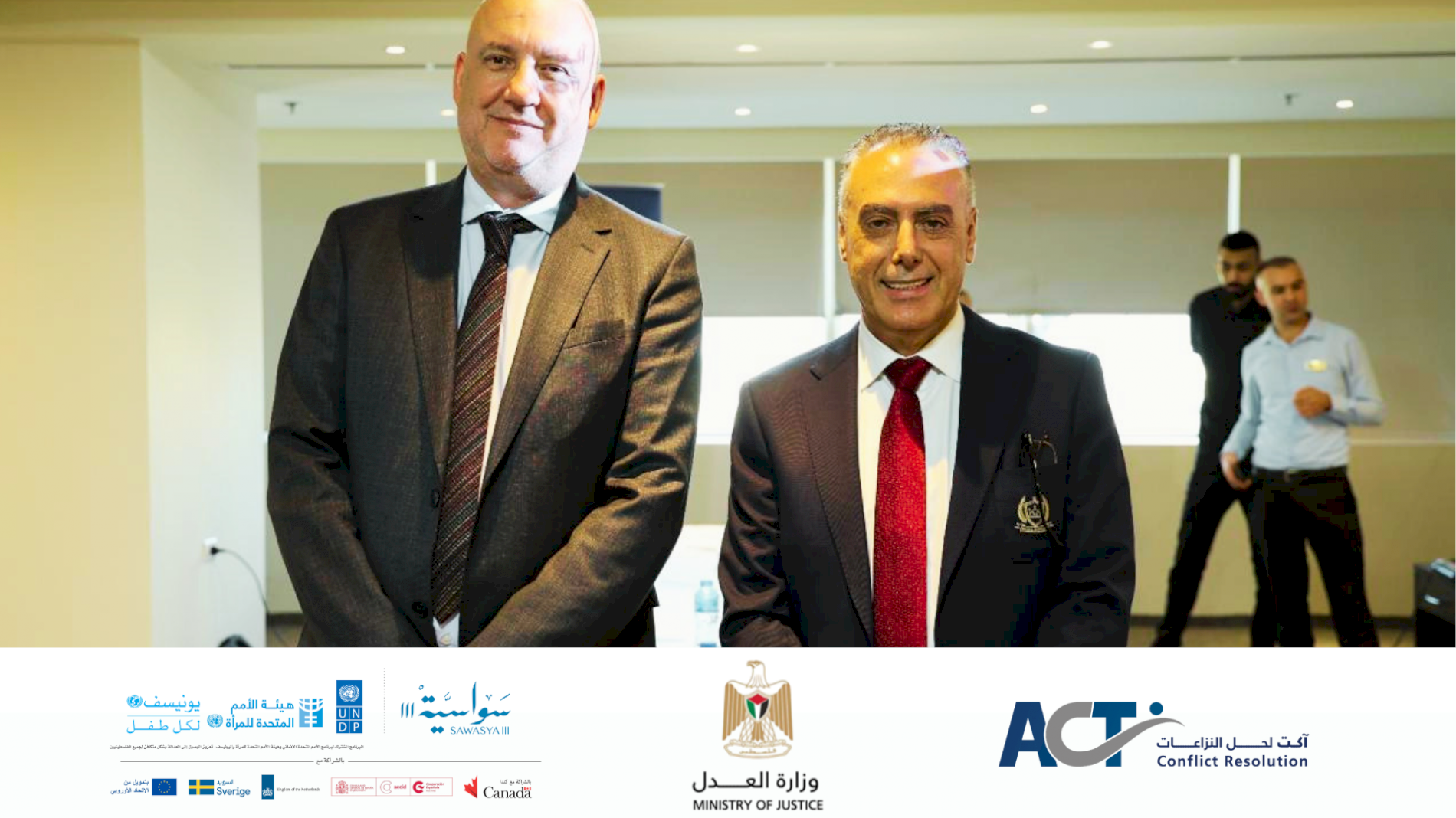
The study was introduced with the participation of representatives from several institutions and partners. Among the speakers were Counselor Sharhabeel Al-Zaem representing the Ministry of Justice, Mr. Simon Radley, Director of the Sawasya Program, Mr. Amjad Al-Shawa, Programs Director at the United Nations Development Programme (UNDP), and Mr. Mohammad Hadiya, Chairman of ACT’s Board of Directors. They emphasized the importance of developing justice mechanisms, strengthening dispute resolution frameworks, and advancing specialized legal research under the exceptional circumstances facing Palestinian society.
The study examines the reality of arbitration in Gaza within the context of armed conflict and disasters, highlighting the destruction of infrastructure and disruption of the justice system caused by war. It explores the resulting challenges to legal and contractual relations and the protection of rights, particularly in reconstruction-related projects.
Its aim is to assess the capacity of the Palestinian arbitration system to handle disputes arising in extraordinary conditions, and to explore ways of enhancing its effectiveness in resolving conflicts, supporting recovery, reconstruction, and legal-economic stability.
Researcher and lawyer Ghassan Mustafa Abu Muslim presented the study’s key findings, concluding that the Palestinian legal framework for arbitration still requires legislative and institutional reforms to keep pace with developments and respond to challenges imposed by exceptional circumstances.
The study identified legislative gaps, including emergency arbitration, consolidation of claims, joinder of third parties, and the need to strengthen judicial oversight of arbitral awards. It also noted challenges that may arise if courts are disrupted during crises, potentially affecting arbitration procedures and tribunal formation.
Regarding Gaza’s contractual environment, the study found that large-scale projects often rely on clearer contractual frameworks, while small and medium-sized projects still lack model contracts and standard arbitration clauses—raising the likelihood of disputes and complicating resolution.
It further revealed limited awareness and culture of arbitration, stressing the need to promote it as an effective dispute resolution tool. Challenges related to cost and duration were also highlighted, with arbitration expenses sometimes reaching up to 25% of the dispute’s value—posing barriers despite the lengthy litigation process that drives parties to seek faster alternatives.
Based on these findings, the study recommended several measures to rebuild and strengthen the Palestinian arbitration system. Chief among them are updating the Arbitration Law, addressing legislative gaps linked to exceptional circumstances, and developing faster, more flexible mechanisms for dispute resolution.
Additional recommendations included enhancing arbitrators’ capacities, promoting arbitration culture, adopting standard arbitration clauses in contracts, and introducing modern models such as expedited arbitration and arbitration combined with mediation. These would provide more suitable options for the nature of disputes and parties’ needs.
The study also urged the development of legal and technical infrastructure for electronic arbitration, and the use of digital evidence—including electronic data and satellite imagery—to document and prove facts in damaged projects, especially where traditional evidence is inaccessible.
Another key recommendation was to explore establishing a specialized arbitration center for international reconstruction disputes, offering a tailored framework for conflicts arising during rebuilding phases. Strengthening integration between courts and arbitration was also advised to ensure efficiency, speed, and trust in arbitration as an alternative dispute resolution mechanism.
The launch event featured extensive discussion and participant engagement around the study’s results and recommendations, stressing the importance of translating research outputs into practical steps to advance the Palestinian arbitration system. This would better address the realities of conflict-affected environments and enhance the legal system’s readiness for challenges during recovery and reconstruction.
This study forms part of ACT’s broader efforts to harness legal research and knowledge in developing practical, sustainable tools for dispute resolution, contributing to a more flexible and effective arbitration system capable of responding to extraordinary circumstances, protecting rights, and fostering a legal environment conducive to post-conflict recovery and reconstruction.