Voices of Faith 360 launches its first session with the participation of 23 religious and community actors
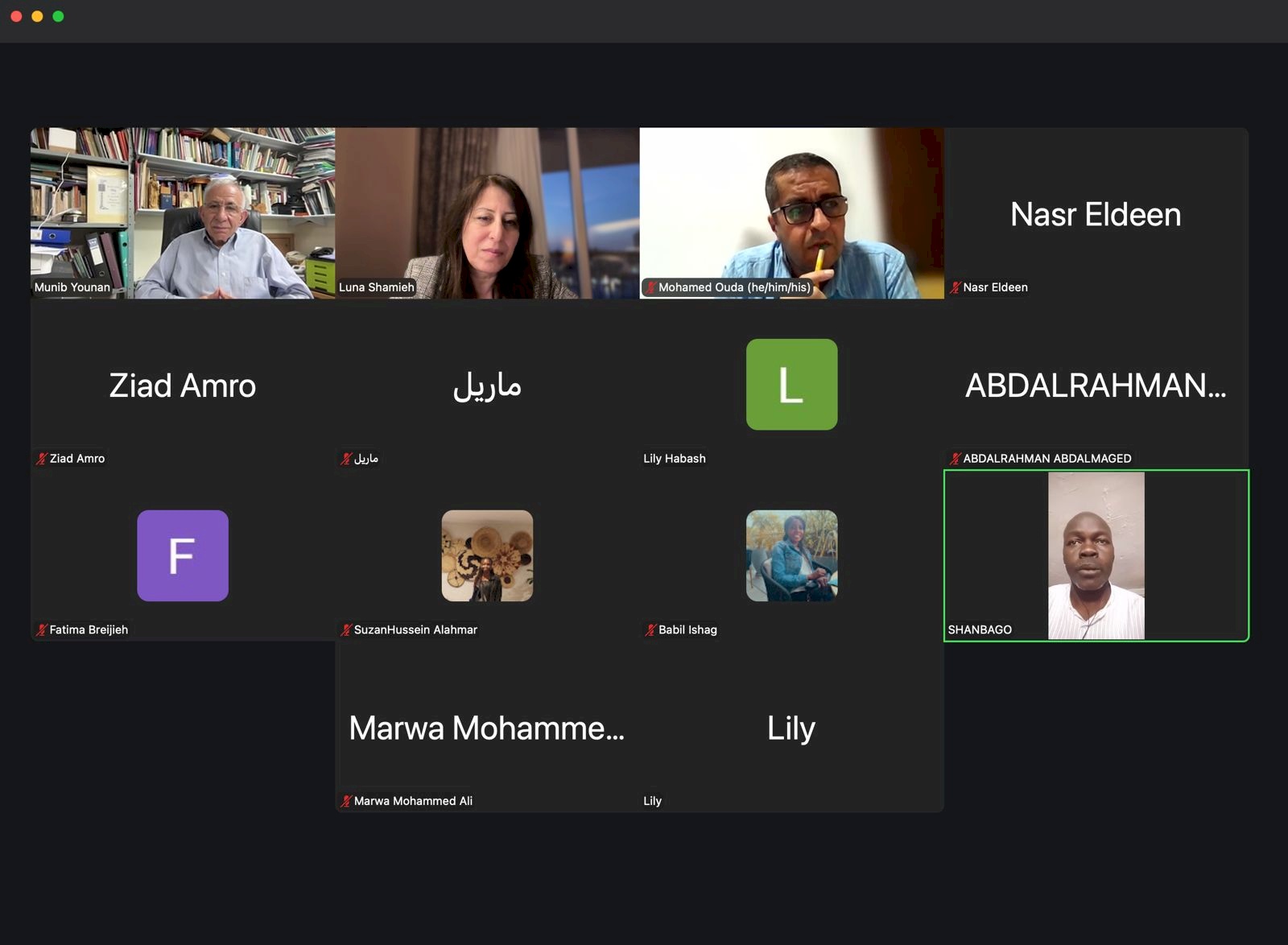
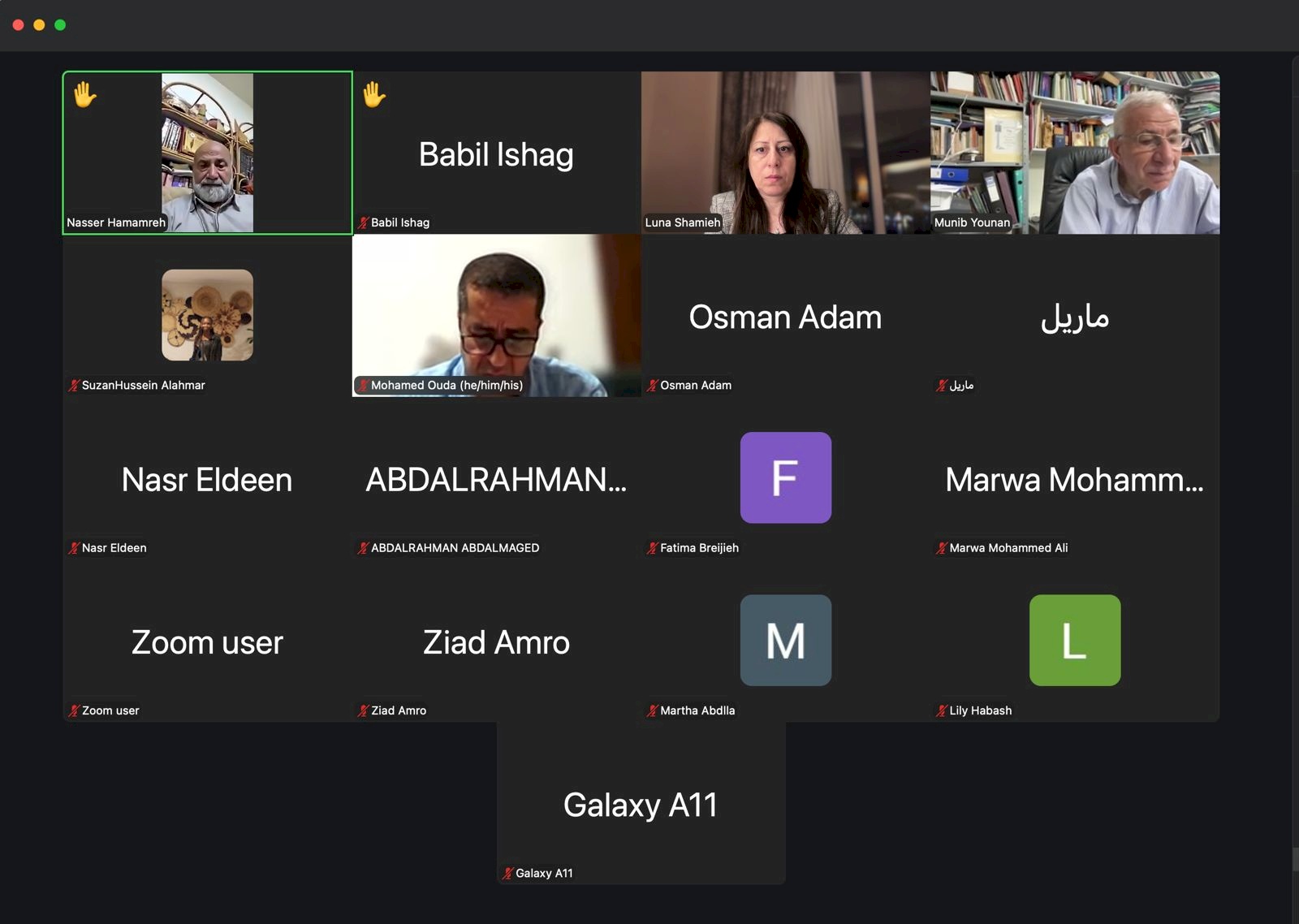
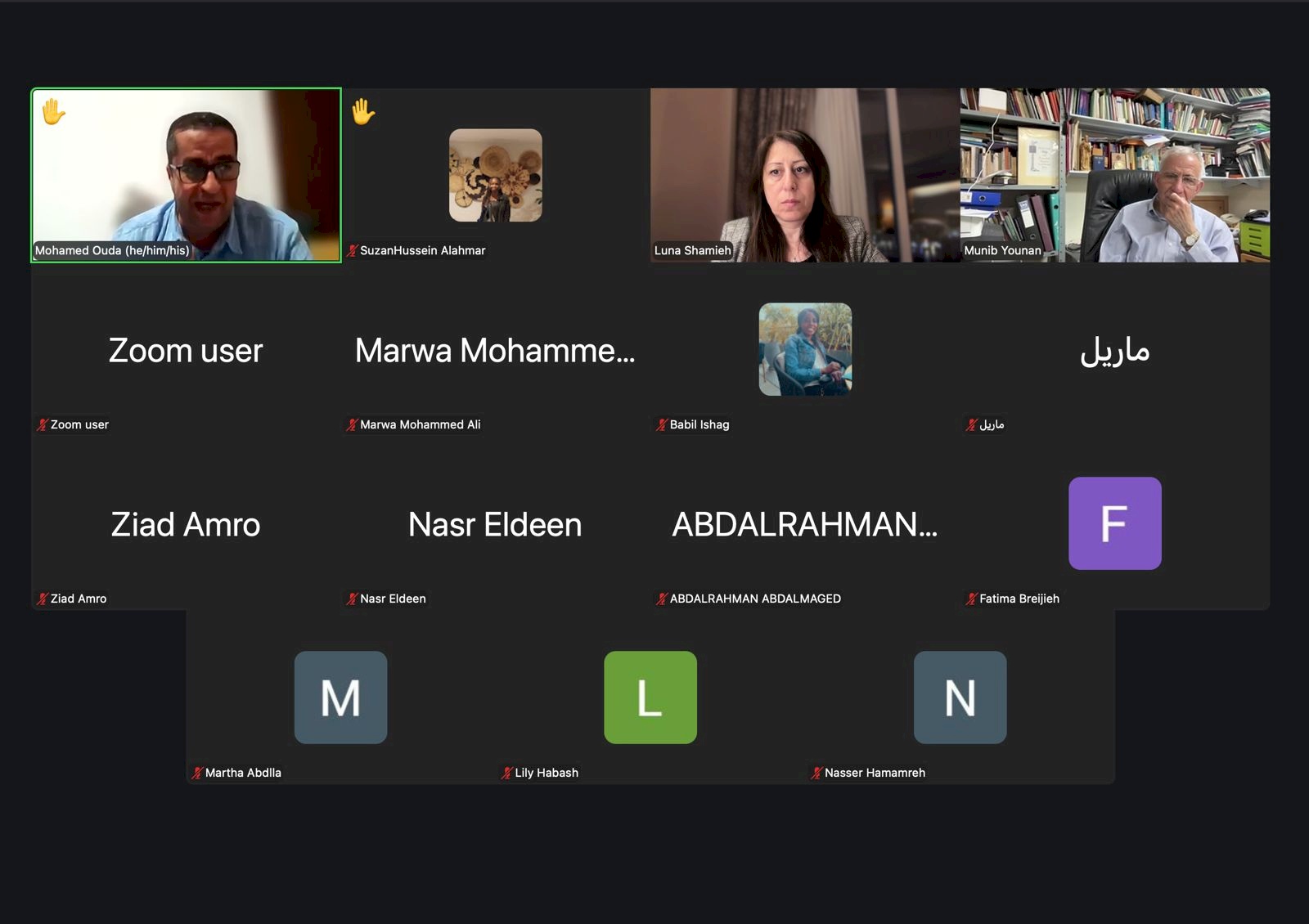
With the participation of twenty‑three religious and community actors — thirteen women and ten men — the first session of the “Voices of Faith 360” project, implemented by ACT for Conflict Resolution, was launched under the title “Religion in Crisis Contexts: Personal Experiences and Building Trust”. This marks the beginning of a regional dialogue path aimed at strengthening trust and social cohesion in times of crisis.
The session opened with an interactive start that focused on providing a safe space for dialogue, building trust, and exchanging personal experiences related to the role of religion in confronting crises. It allowed participants to express their views and discuss the challenges facing their communities in an environment of respect and openness.
The Voices of Faith 360 project is one of the regional initiatives carried out by ACT for Conflict Resolution in partnership with the Regional Network for Reconciliation and Forgiveness, and with the support of the King Abdullah bin Abdulaziz International Centre for Interreligious and Intercultural Dialogue (KAICIID). Its goal is to empower religious and community actors to use dialogue as a tool to build trust, counter harmful narratives, and reinforce values of human dignity and social cohesion.
During the session, participants discussed the relationship between religion and crises, and how faith can serve as a source of meaning, resilience, and compassion, contributing to trust‑building and strengthening community solidarity — rather than being exploited to fuel division or exclusion.
The gathering also provided an opportunity for reflection on personal and professional experiences, and for exchanging perspectives on the impact of religious discourse in communities facing growing challenges. Emphasis was placed on the importance of developing a discourse that promotes human dignity, encourages dialogue, and celebrates diversity and difference.
The discussions were marked by a high degree of interaction and openness, with real‑life experiences and questions reflecting the nature of challenges communities face in times of crisis. Practical ideas were exchanged on ways to strengthen trust among different social components, and on the role religious leaders can play in reducing harmful narratives and promoting community peace.
This session represents the starting point for a series of dialogue meetings that the project will host in the coming period. These aim to build sustainable spaces for joint learning, enhance mutual understanding, and formulate shared ethical commitments that contribute to protecting human dignity and consolidating social cohesion.