Conclusion of the face‑to‑face phase of the training program for the community initiatives project based on the mediation approach
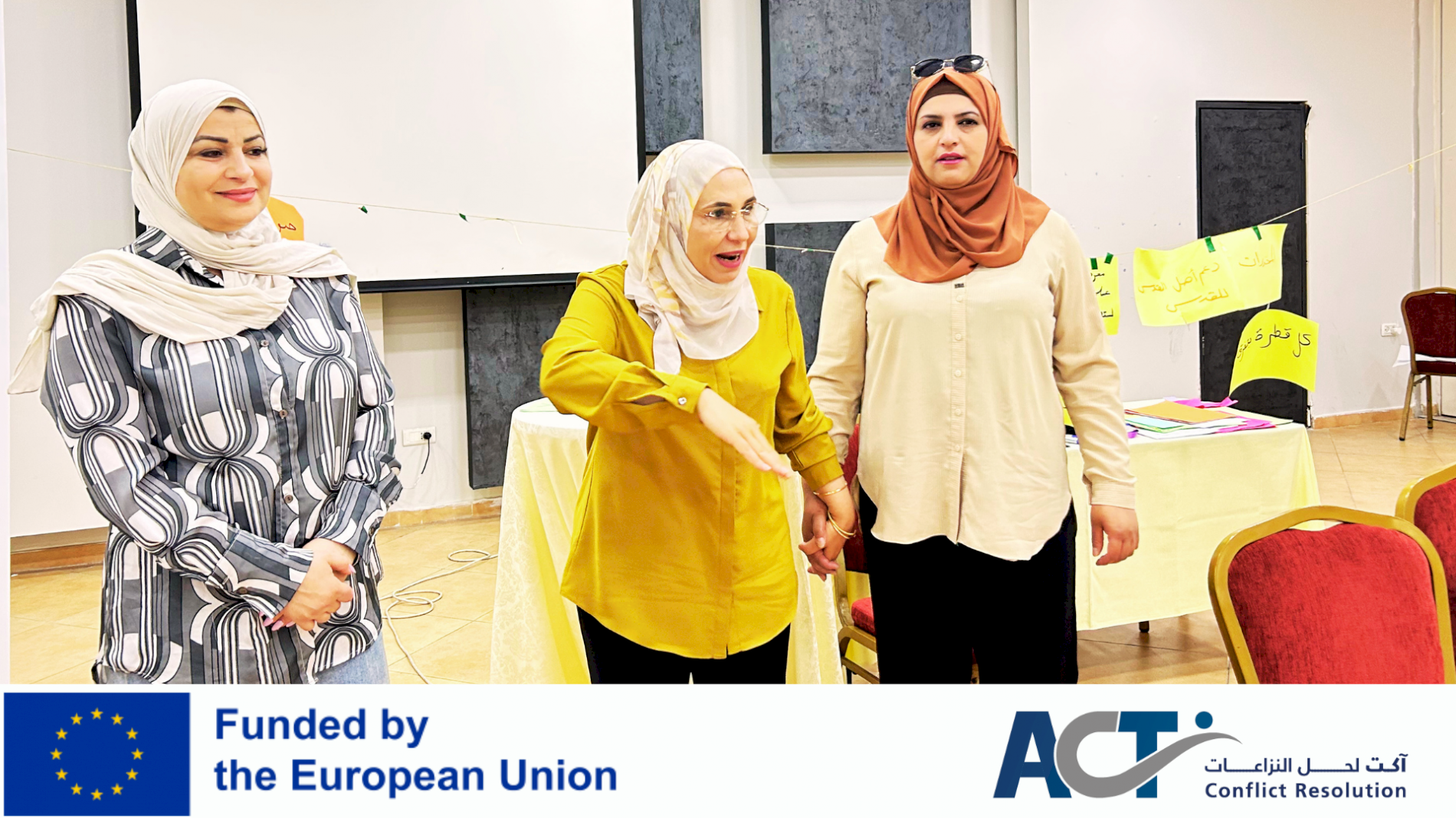
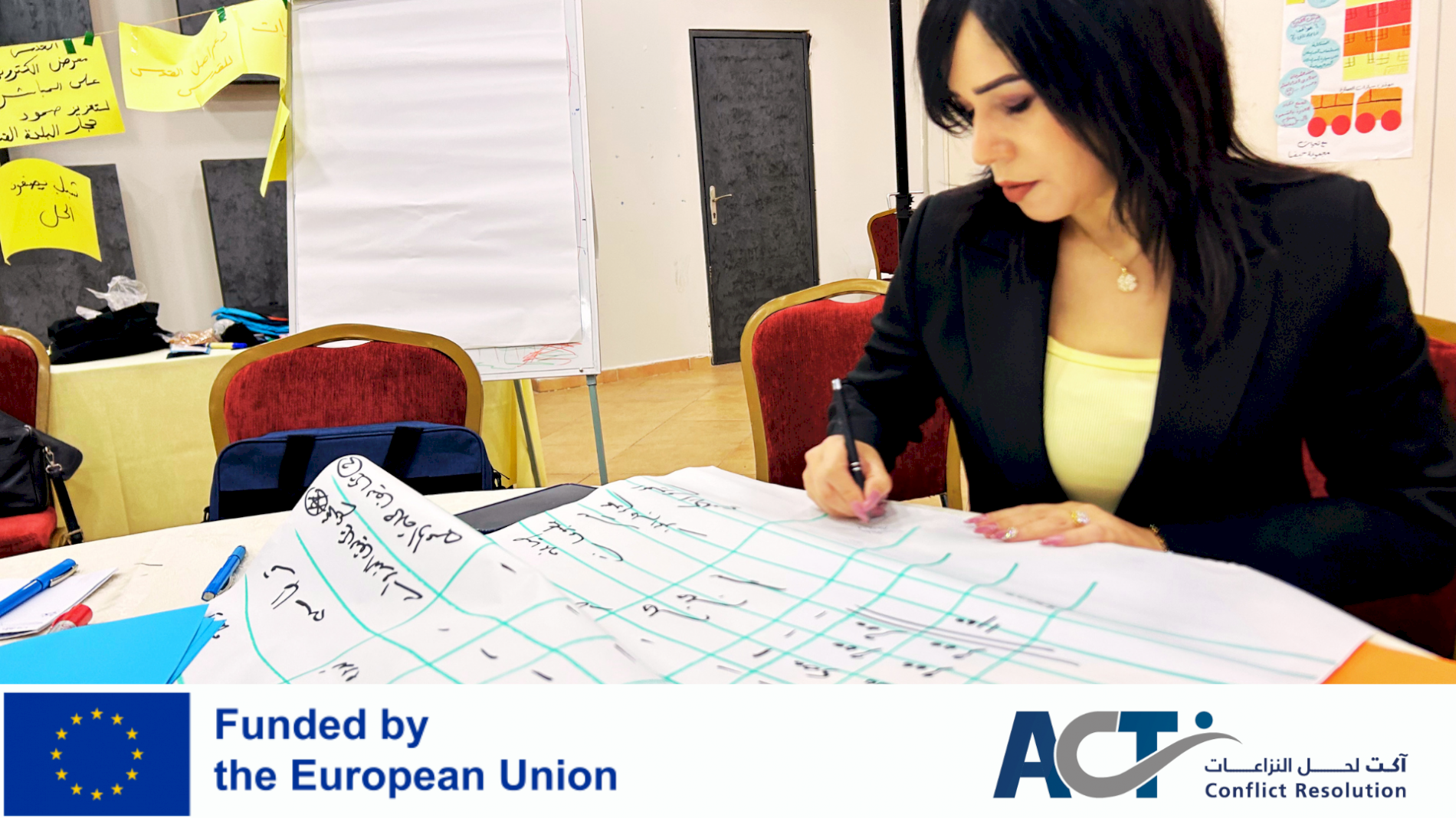
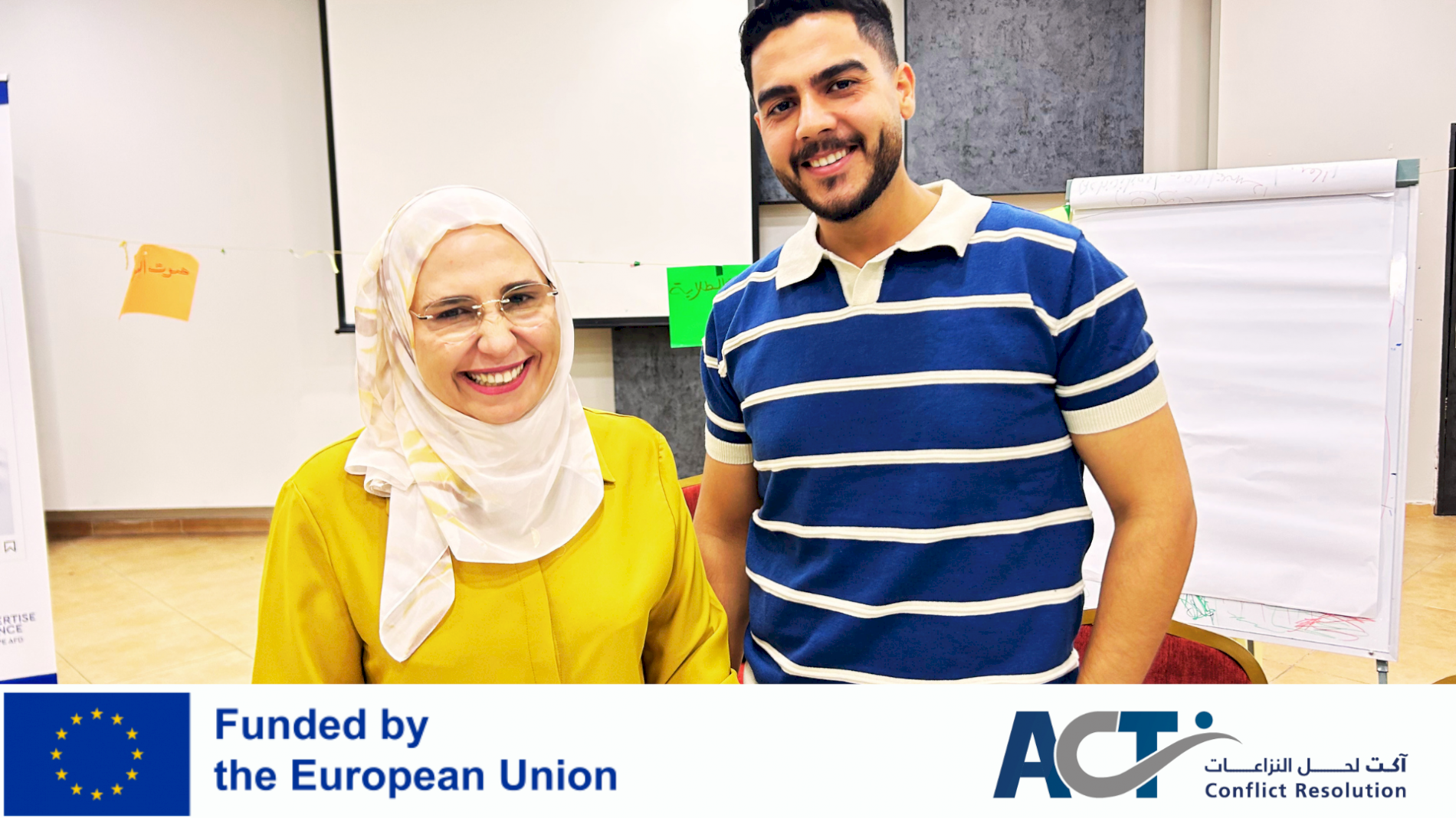
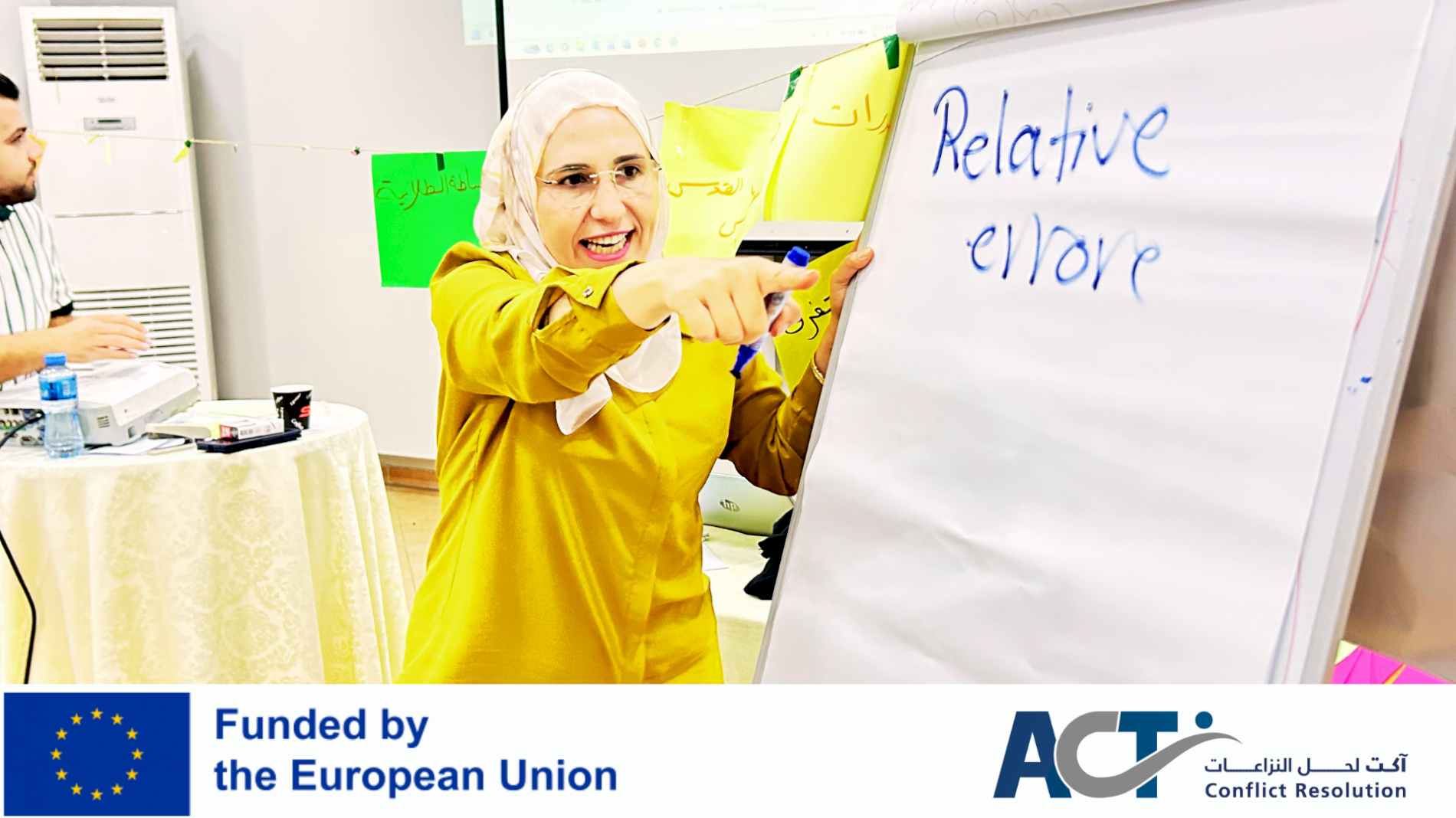
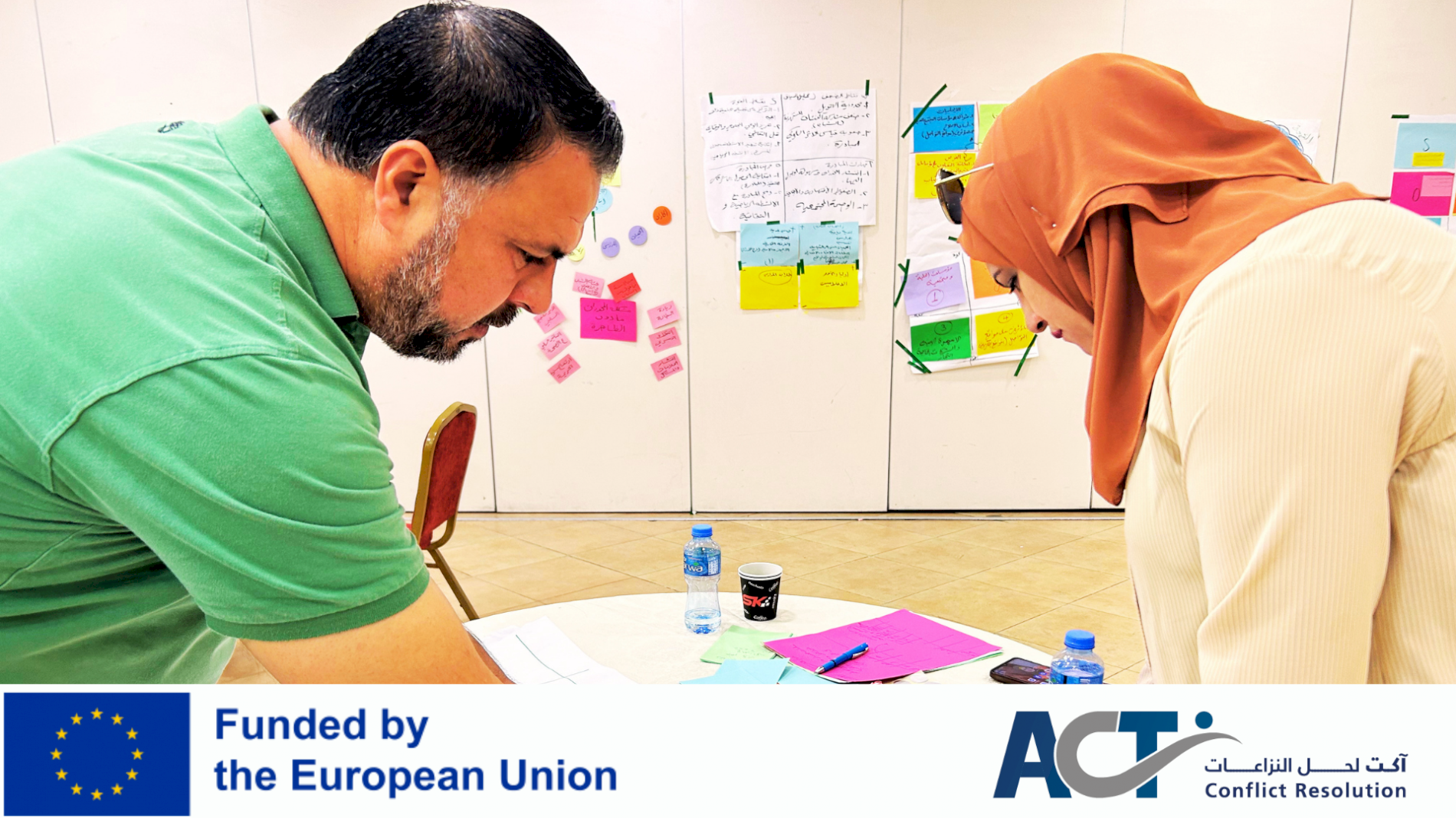
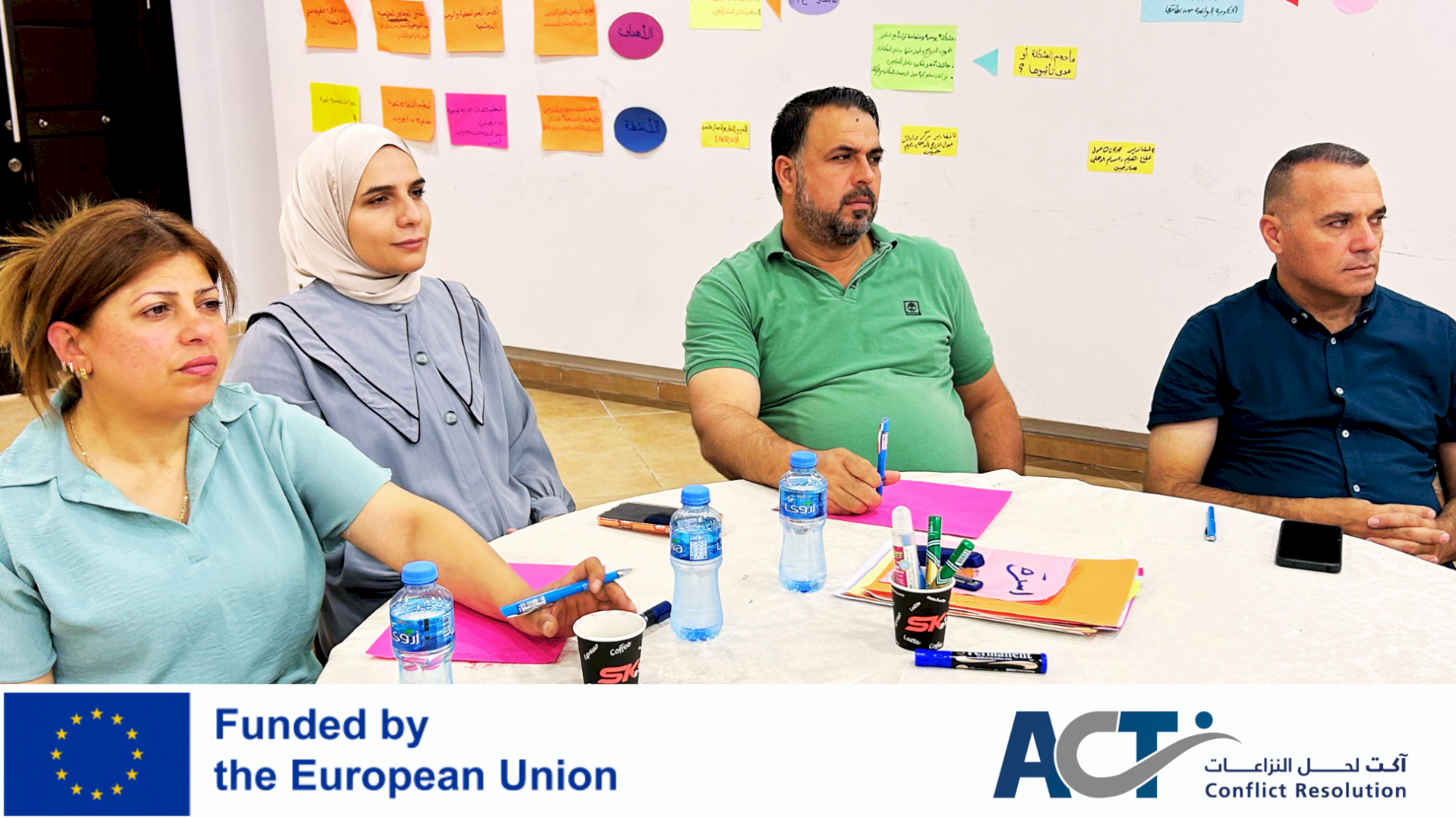
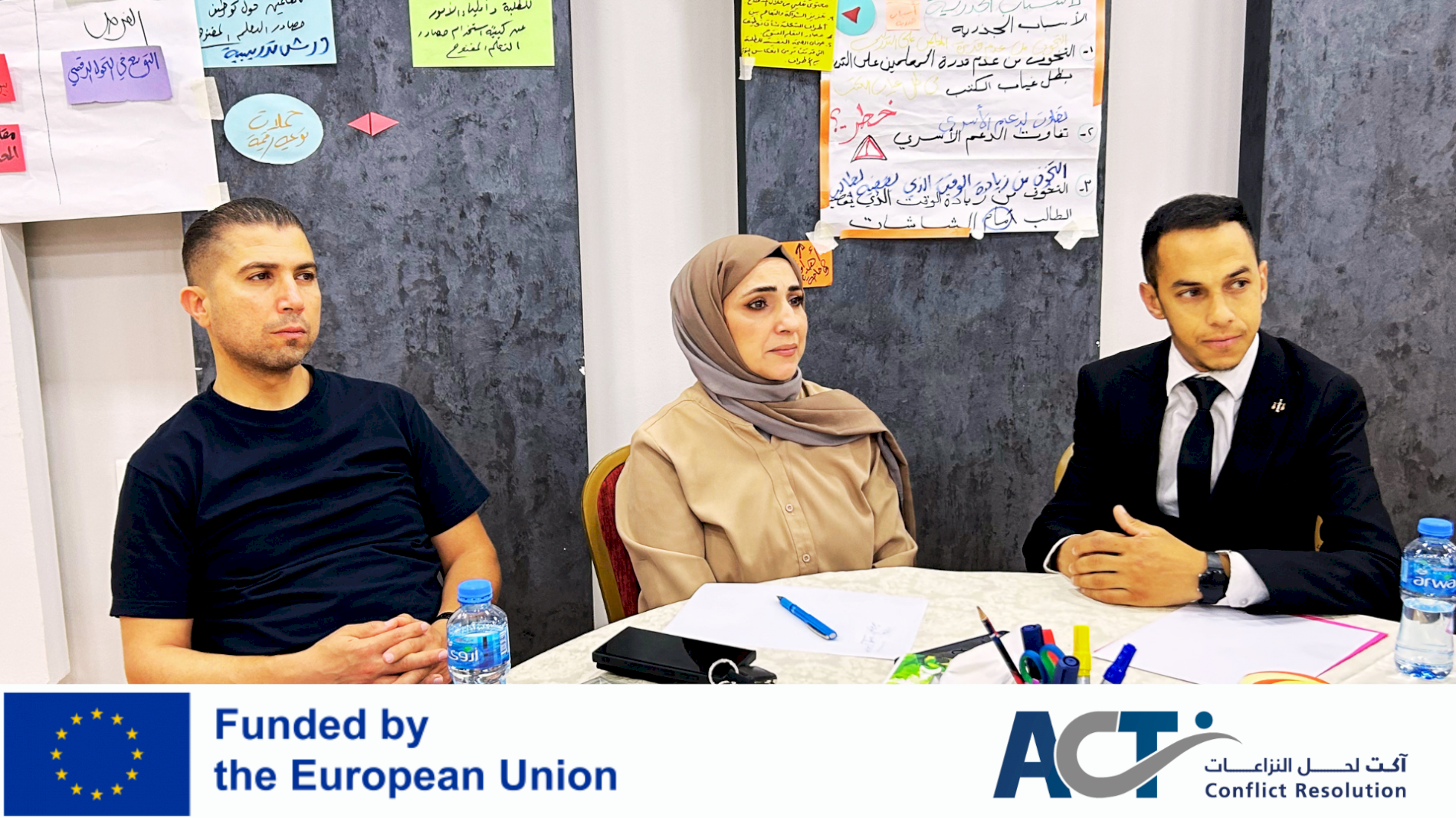
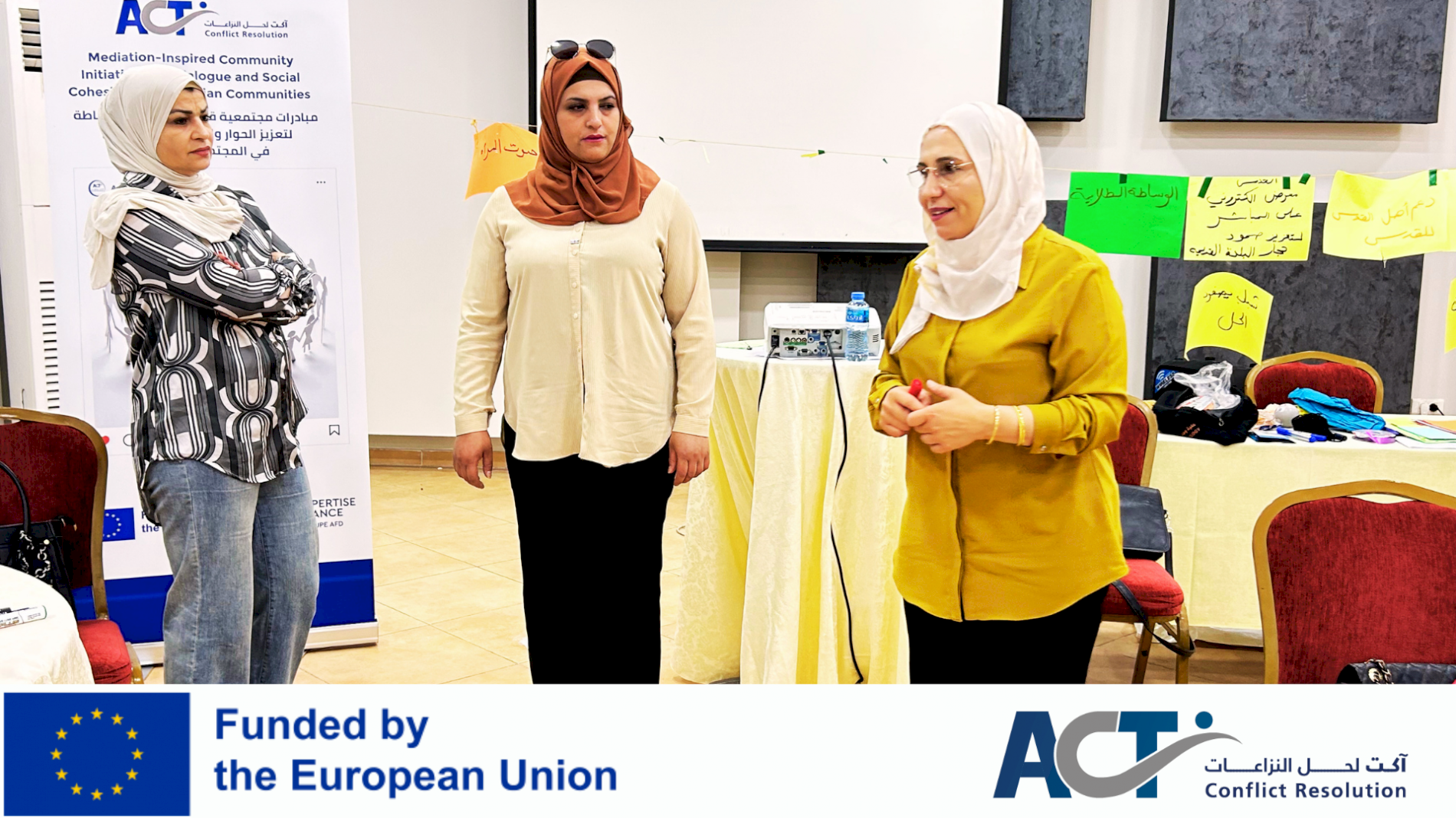
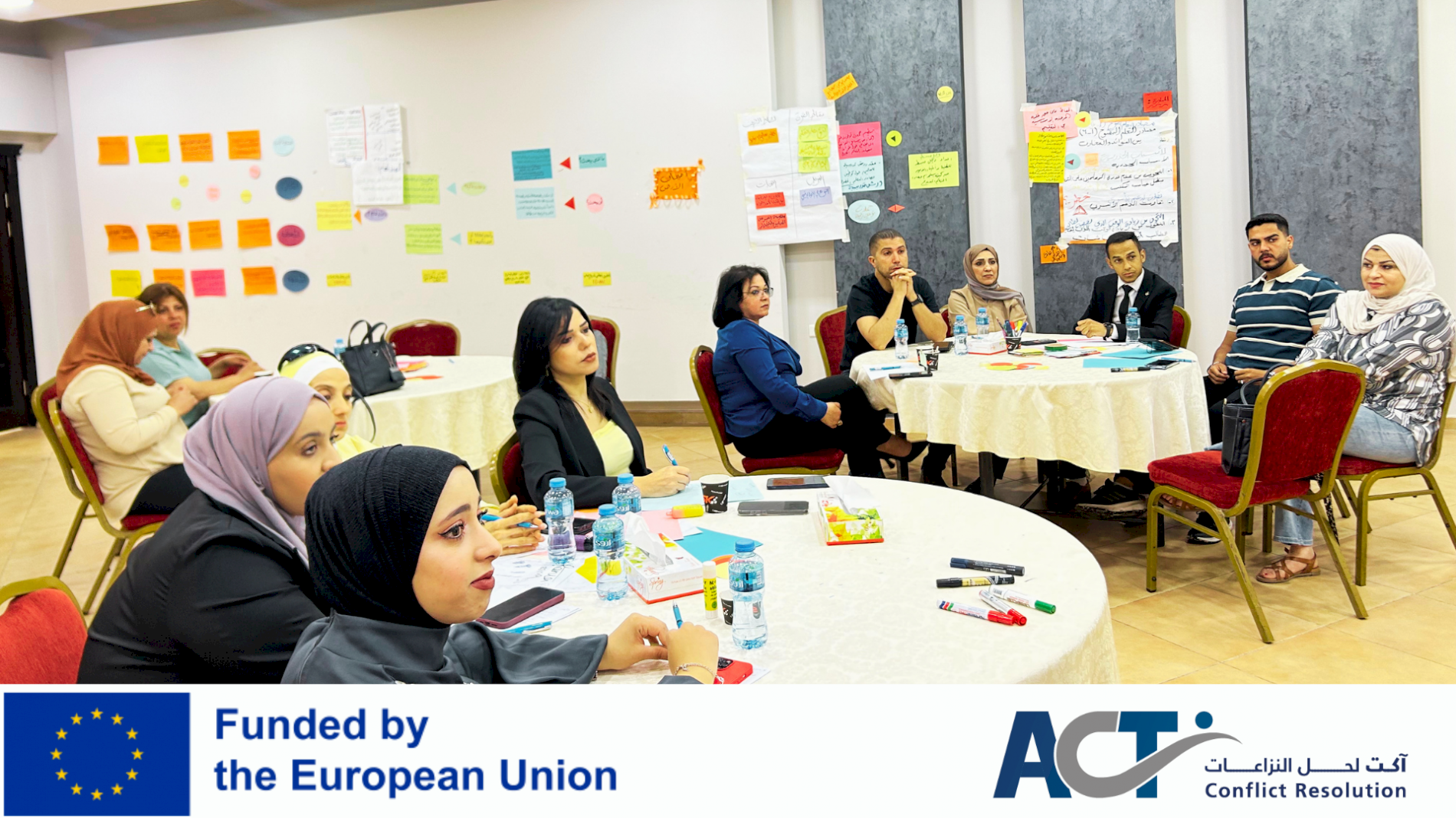
ACT Conflict Resolution concluded the face‑to‑face phase of the training program implemented under the project “Community Initiatives Based on the Mediation Approach to Promote Dialogue and Social Cohesion in Palestinian Society.” This followed three days of intensive training that combined theoretical aspects with practical applications, aiming to empower participants to design and implement community initiatives grounded in the principles of mediation and dialogue.
The final training day focused on key themes that strengthen participants’ readiness to move into the implementation stage of their initiatives. The sessions covered mechanisms for documenting community initiatives and emphasized the importance of information verification as a cornerstone for building credible and responsible initiatives.
The program also included specialized sessions on Safeguarding and Protection, the principle of Do No Harm, and neutrality and non‑bias, ensuring that community initiatives are carried out safely, with respect for the rights of all parties, and in ways that foster trust and cohesion within society.
On the practical side, participants were introduced to the fundamentals of preparing estimated budgets for activities and initiatives, enabling them to plan financially and manage resources efficiently during implementation.
The program concluded with a comprehensive evaluation that measured participants’ satisfaction with the training, as well as assessed its impact on their knowledge, skills, and attitudes. This reflected the extent to which the program achieved its objectives of enhancing youth capacities to design effective community initiatives based on dialogue and mediation as tools for strengthening social cohesion.
This phase is part of ACT’s ongoing efforts to empower youth to develop sustainable community initiatives that spread a culture of dialogue, enhance civic participation, and build a more cohesive environment capable of addressing challenges through mediation and participatory approaches.